
 Eva Lovia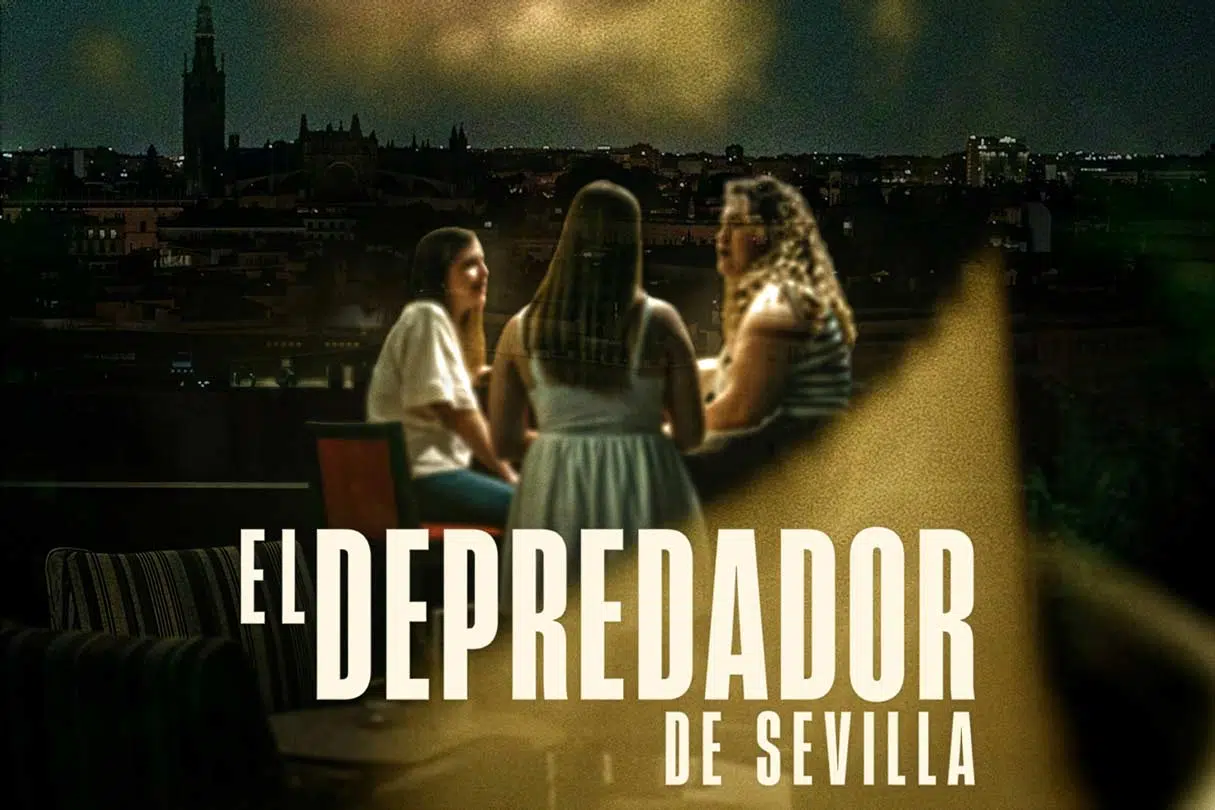
Netflix is set to expand its extensive catalog of true crime documentaries with the premiere of "El depredador de Sevilla" (The Predator of Seville), a gripping new docuseries that meticulously reconstructs a real-life case that sent shockwaves through the lives of dozens of foreign students in Spain. The platform will release this highly anticipated production on March 27th, focusing on the investigation into a tour guide accused of assaulting multiple young women during organized trips across various Spanish cities. Through compelling testimonies from victims, unearthed, previously unseen footage, and an investigation spanning several years, the series delves into how a figure who presented himself as approachable and charismatic harbored a far more sinister reality.
The case at the heart of this docuseries centers on Manuel Blanco, widely known by his moniker "Manu White." For an extended period, Blanco presented himself to international students as an amiable tour guide who specialized in organizing budget-friendly excursions throughout Spain. Operating under the persona of "Manu White," he skillfully cultivated the trust of numerous young individuals who had traveled to the country with the primary goals of improving their Spanish language skills or pursuing academic studies. These students, often navigating a new culture and environment, were particularly vulnerable to his seemingly helpful and engaging demeanor.
However, as time progressed, a disturbing pattern began to emerge. Several students, initially believing their experiences were isolated incidents unrelated to one another, started to share similar accounts of abuse. The collective recounting of these harrowing experiences, often whispered and initially dismissed, gradually coalesced into a significant revelation. With the passage of time, these victims discovered that their individual testimonies invariably pointed to the same perpetrator. The docuseries meticulously examines how these individual complaints, once disconnected and seemingly disparate, began to interlink, ultimately unveiling a systematic pattern of aggression that had seemingly remained concealed for years. This intricate web of shared trauma underscores the insidious nature of Blanco’s alleged crimes, highlighting how a single individual could exploit the trust and vulnerability of so many.
One of the pivotal and most emotionally resonant testimonies featured in "El depredador de Sevilla" belongs to Gabrielle Vega, an American student who was just 19 years old when she embarked on her journey to Spain. Her primary objective was to immerse herself in the Spanish language, aiming to enhance her proficiency before commencing her university education. During her stay, she engaged the services of Discover Excursions, a company that specialized in organizing low-cost trips designed for foreign students. According to her harrowing account, during one of these excursions, the responsible tour guide allegedly invited her for drinks and subsequently sexually assaulted her.
For years, Vega carried the immense burden of her experience in silence, profoundly marked by feelings of guilt and pervasive fear. This period of internal struggle underscores the psychological toll such assaults can inflict, often leaving victims feeling isolated and responsible for what transpired. However, she eventually made the courageous decision to publicly share her story on a television program. This act of bravery proved to be a watershed moment, catalyzing a wave of other women to come forward and recount remarkably similar experiences.
Many of these women, who had never met or known each other, all identified the same individual: "Manu White." Blanco also reportedly used the alias "the Prince of Seville," a further layer to his carefully constructed facade. This chilling consistency in their testimonies solidified the gravity of the allegations and provided a crucial connection that law enforcement and investigative journalists would later build upon. The docuseries meticulously reconstructs the investigative process that enabled these disparate cases to be linked, bringing to light a network of abuse that is believed to have affected dozens of young women.
The series goes beyond mere recounting of events, offering an in-depth exploration of the investigative journey. In addition to the powerful testimonies from the victims, the production incorporates a wealth of previously unreleased material, including sensitive documents and detailed reconstructions of the alleged incidents. This comprehensive approach vividly illustrates the painstaking process through which the truth gradually emerged from the shadows. The narrative arc of the docuseries likely follows the initial skepticism and disbelief that often surrounds such accusations, the slow but steady accumulation of evidence, and the eventual triumph of justice, albeit a protracted and difficult one.
"El depredador de Sevilla" is a collaborative production, brought to life by Atresmedia and Newtral. Newtral, the production company founded by the prominent Spanish journalist Ana Pastor, is renowned for its commitment to producing impactful documentaries. Pastor herself is no stranger to tackling sensitive and significant societal issues, having been instrumental in other critically acclaimed documentary series such as "Nevenka: Breaking the Silence," which shed light on a landmark case of gender-based violence in Spain. This pedigree suggests that "El depredador de Sevilla" will be approached with a high degree of journalistic integrity and sensitivity.
The docuseries is directed by Alejandro Olvera, a filmmaker recognized for his work on the documentary "Asesinas" (Female Assassins). Olvera’s directorial approach is expected to bring a nuanced and focused perspective to the case, prioritizing the experiences of the victims and illuminating the arduous journey they undertook to expose the truth. The aim of the series is not only to detail the alleged crimes but also to serve as a testament to the resilience of the survivors and the importance of their collective voice in dismantling the silence that often surrounds sexual assault.
With this latest release, Netflix once again demonstrates its continued commitment to the true crime genre, a format that consistently captures significant audience interest. In recent years, this genre has been responsible for some of the most talked-about and impactful documentary productions, resonating with viewers who are drawn to complex narratives of justice, investigation, and human resilience. The success of such series often lies in their ability to not only inform but also to spark important conversations about societal issues, legal systems, and the enduring impact of crime on individuals and communities.
The context surrounding Manuel Blanco’s alleged activities is crucial for understanding the broader implications of the case. Spain, like many European countries, has seen a significant increase in international student enrollment, particularly in popular tourist destinations like Seville. These students, often young and away from home for the first time, are particularly susceptible to exploitation. Tour operators and guides who cater to this demographic hold a position of significant influence, and the trust placed in them by students and their families is paramount. Blanco’s alleged actions represent a profound betrayal of that trust, exploiting a well-intentioned desire for cultural exchange and academic enrichment for nefarious purposes.
The timeline of events, as reconstructed in the docuseries, likely traces a path from Blanco’s initial establishment of his tour company and his carefully crafted persona, through the first whispers of discontent and isolated accusations, to the critical turning point where victims began to connect and share their stories. This process of revelation can be incredibly slow, often hindered by fear of reprisal, disbelief from authorities, and the sheer difficulty of corroborating such deeply personal experiences. The docuseries’ emphasis on an investigation spanning "years" suggests a protracted legal and social battle, highlighting the systemic challenges that victims of sexual assault often face.
Supporting data points, if available and presented factually within the documentary, could include statistics on international student travel to Spain during the period in question, data on the number of reported sexual assault cases involving tourists or foreign nationals, and information regarding the legal proceedings against Manuel Blanco. While the original article does not provide specific numbers, the docuseries aims to fill these gaps with factual accounts and evidence.
Reactions from related parties, while not explicitly detailed in the initial report, would likely include statements from law enforcement officials involved in the investigation, legal representatives for the victims, and potentially commentary from organizations that support victims of sexual assault. The production by Newtral, with Ana Pastor’s involvement, suggests a potential for interviews with key figures in the investigation and advocacy.
The broader implications of this case, as explored in "El depredador de Sevilla," extend beyond the individual actions of Manuel Blanco. It raises critical questions about the responsibility of tour operators, the adequacy of vetting processes for individuals working with vulnerable populations, and the effectiveness of legal frameworks in protecting foreign students. The docuseries serves as a stark reminder of the importance of vigilance, the power of collective action in bringing perpetrators to justice, and the ongoing need for robust support systems for survivors of sexual violence. The narrative is not just about a single predator, but about the societal structures that can allow such predators to operate, and the courage it takes to dismantle them. The docuseries is poised to be a significant contribution to the true crime genre, offering a compelling and important narrative that demands attention and reflection.


 Julia Chirkova
 Julia Prastini
 Nila Kartika Wati
 Jia Lissa
 admin
admin