
 Julia Prastini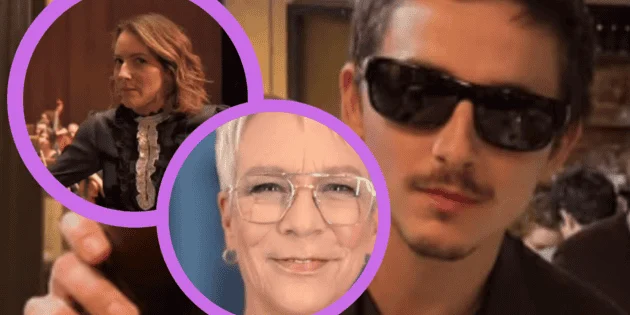
A whirlwind of controversy has engulfed the usually serene worlds of ballet and opera, triggered by remarks made by acclaimed actor Timothée Chalamet in a recent interview that rapidly went viral across social media platforms. His declaration, suggesting a perceived irrelevance of these venerable art forms, has drawn swift and passionate rebuttals from a diverse array of artists and cultural figures worldwide, sparking a broader conversation about the enduring value and contemporary relevance of classical performing arts.
The Genesis of the Controversy: A Viral Interview and a Bold Statement
The contentious comments emerged during a wide-ranging discussion between Chalamet and fellow actor Matthew McConaughey. While the full context of the interview delved into various aspects of their careers and artistic choices, a particular segment focused on Chalamet’s disinclination to pursue roles within the ballet or opera sphere. It was during this exchange that the actor reportedly stated, in essence, that "nobody cares" about ballet and opera anymore, and that these arts are merely "kept alive" despite a dwindling interest. The exact phrasing and nuance of his words became a focal point of the subsequent digital firestorm, with clips of the interview being widely shared and dissected.
Timothée Chalamet, known for his roles in critically acclaimed films such as Call Me by Your Name, Dune, and Wonka, has cultivated an image as a thoughtful, articulate, and highly successful young actor. His immense popularity, particularly among younger demographics, lends significant weight to his public statements, making his words resonate far beyond typical celebrity banter. The interview, part of what appeared to be promotional activities for an upcoming project, quickly transcended its original purpose, morphing into a flashpoint for cultural debate.
Chalamet’s Attempted Retraction and the Unstoppable Backlash
Despite Chalamet’s reported efforts to clarify or retract his initial statement, the damage, as many in the arts community perceived it, was already done. The rapid dissemination of his remarks across platforms like X (formerly Twitter), Instagram, and TikTok meant that the initial, unmitigated assertion had already imprinted itself on public consciousness. The swiftness with which the controversy unfolded underscored the potent, sometimes unforgiving, nature of social media in shaping public discourse and amplifying celebrity opinions, regardless of their original intent.
The immediate reaction from within the ballet and opera communities was one of profound disappointment, quickly escalating to outrage. For countless artists, practitioners, educators, and enthusiasts who dedicate their lives to these art forms, Chalamet’s comments were seen as a dismissive trivialization of their passion, rigorous training, and the immense cultural heritage they represent. The perceived insinuation that their work was irrelevant or sustained artificially struck a nerve, prompting a unified and vocal defense.
Prominent Voices Rise in Defense: Alondra de la Parra Leads the Charge
Among the first and most impactful responses came from the distinguished Mexican orchestra conductor, Alondra de la Parra. Renowned globally for her dynamic interpretations and pioneering efforts to make classical music accessible, De la Parra utilized her platform to deliver a concise yet powerful rebuke. In a brief, unadorned video clip, she addressed Chalamet directly, asserting the undeniable vitality of the arts he seemed to dismiss.
"Oye, Timothée, siento que no quieras ser parte de esto; quizá quieras reconsiderarlo," De la Parra stated, her voice calm but firm, a conductor’s baton poised in her hand as if ready to command an entire orchestra. "Y no estamos intentando ‘mantenerlo vivo’, está bastante vivo." Her message was clear: far from struggling for survival, ballet and opera are thriving, vibrant entities. Her visual message, filmed during what appeared to be a rehearsal, served as a potent symbol of the ongoing, tireless work that underpins these art forms, demonstrating their continuous existence and evolution. De la Parra’s intervention, coming from a respected figure at the forefront of classical music, lent significant credibility and gravitas to the counter-narrative.
Hollywood Icons Join the Chorus: Jamie Lee Curtis and Alec Baldwin Weigh In
The defense of ballet and opera was not limited to classical musicians and dancers; it quickly garnered support from within Chalamet’s own industry. Veteran Hollywood actors Jamie Lee Curtis and Alec Baldwin also publicly voiced their disagreement with his controversial comments. Their participation broadened the scope of the discussion, demonstrating that appreciation for classical performing arts transcends specific artistic disciplines.
Jamie Lee Curtis, celebrated for her diverse career spanning films like Freaky Friday and Everything Everywhere All at Once, leveraged her significant social media presence to amplify critical analyses of Chalamet’s remarks. Through her Instagram stories, she shared various user-generated posts that challenged the actor’s perspective. These analyses frequently highlighted the perceived unnecessary nature of mocking other artists and underscored the irreplaceable human element of live performance, pointing out that even advanced artificial intelligence has yet to replicate the magic of live stagecraft. Curtis further solidified her stance by sharing a series of photographs and videos showcasing the beauty and athleticism of dancers, directly countering the notion of ballet’s irrelevance and offering a visible testament to the thriving dance community. Her actions underscored a message of solidarity and respect across artistic fields.
Alec Baldwin, known for his roles in 30 Rock and Rust, also joined the chorus of disapproval. While his specific public statements might have been less detailed than Curtis’s, his endorsement of the defense further emphasized the sentiment that Chalamet’s comments were ill-advised and out of touch with a significant portion of the artistic community, both classical and contemporary. The involvement of such prominent actors signaled a broader consensus that the performing arts, in all their forms, warrant respect and recognition.
The Enduring Relevance: A Deep Dive into Ballet and Opera’s Significance
The controversy inadvertently thrust ballet and opera into a renewed public spotlight, prompting a crucial discussion about their intrinsic value in contemporary society. Far from being moribund or irrelevant, these art forms boast a rich history, profound cultural impact, and a surprising degree of modern vitality.
Historical and Cultural Pillars:
Ballet, with its origins in the Italian Renaissance courts and its development in France and Russia, and opera, born in late 16th-century Italy, are not merely entertainment; they are living repositories of human history, storytelling, and artistic innovation. They have evolved over centuries, reflecting societal changes, technological advancements, and shifts in aesthetic sensibilities. From the romantic ballets of the 19th century like Giselle and Swan Lake to the revolutionary works of Sergei Diaghilev’s Ballets Russes, and from the Baroque operas of Monteverdi to the grand narratives of Verdi and Wagner, these art forms have continually pushed boundaries and explored the depths of human emotion.
Economic Impact and Global Reach:
The performing arts sector, including ballet and opera, represents a significant global industry. Major opera houses and ballet companies worldwide, such as the Metropolitan Opera in New York, the Royal Opera House in London, the Paris Opéra Ballet, and the Mariinsky Theatre in St. Petersburg, are not only cultural landmarks but also substantial economic engines. They employ thousands of artists, technicians, administrators, and support staff.
According to various cultural economic reports, the performing arts contribute billions to national economies annually through ticket sales, merchandising, tourism, and associated industries. For instance, in the United States, the broader performing arts sector contributes significantly to the GDP, supporting hundreds of thousands of jobs directly and indirectly. Major festivals and seasons attract international tourists, bolstering local economies. Beyond direct revenue, these institutions play a vital role in cultural tourism, drawing visitors who spend on hotels, dining, and other local businesses.
Audience Demographics and Accessibility:
While often perceived as exclusive, efforts to broaden the appeal of ballet and opera are widespread. Many companies offer accessible pricing, student discounts, and digital streaming options that reach global audiences. The Metropolitan Opera’s "Live in HD" series, for example, broadcasts performances to cinemas worldwide, reaching millions who might not otherwise have access to live opera. Similarly, ballet companies often tour extensively and engage in community outreach programs.
Demographic data, while showing an older average age for traditional attendees, also indicates a consistent influx of new, younger audiences, often drawn through educational initiatives, contemporary productions, or digital content. The notion of a completely disengaged youth is often oversimplified; many young people are discovering and appreciating these art forms through new avenues.
Educational and Social Value:
Ballet and opera conservatories and schools are crucial for training the next generation of artists, fostering discipline, creativity, and cultural literacy. Beyond professional training, these arts offer profound educational value, introducing audiences to diverse cultures, historical periods, and complex narratives. They stimulate critical thinking, emotional intelligence, and an appreciation for beauty and artistic excellence.
Socially, opera and ballet companies often engage in extensive community outreach, offering workshops, free performances, and educational programs for underserved populations. They serve as cultural anchors, contributing to the identity and vibrancy of cities and regions. They also provide platforms for diverse voices and stories, continually evolving to reflect contemporary societal concerns.
The Generational Divide and Public Perception
Chalamet’s comments, whether intended or not, tapped into a recurring debate about the generational divide in cultural consumption. While younger audiences are increasingly drawn to digital content, streaming services, and highly accessible forms of entertainment, traditional art forms can sometimes struggle to capture mainstream attention. However, this struggle is not unique to classical arts; many cultural institutions face the challenge of adapting to rapidly changing media landscapes.
The controversy highlighted a tension between celebrity influence and expert knowledge. When a widely admired figure like Chalamet makes a sweeping statement about an entire art form, it can significantly impact public perception, particularly among his younger fan base. This underscores the responsibility that public figures carry when discussing cultural topics, especially those outside their direct expertise.
Social Media’s Role in Modern Cultural Discourse
The rapid virality of Chalamet’s interview and the subsequent organized response from the arts community exemplify the double-edged sword of social media. While it allowed for instant dissemination of the original statement and its immediate backlash, it also provided an unprecedented platform for artists and advocates to defend their work directly and passionately. The democratic nature of these platforms allowed diverse voices, from world-renowned conductors to individual dancers and opera singers, to contribute to the conversation, challenging a celebrity’s assertion with collective testimony and artistic demonstration. This rapid-fire exchange of ideas and counter-arguments shapes contemporary cultural discourse in ways unimaginable just a few decades ago.
Looking Ahead: The Future of Classical Arts in a Digital Age
The incident, while contentious, ultimately served as a powerful reminder of the deep passion and commitment that underpins the worlds of ballet and opera. It also underscored the ongoing efforts within these communities to innovate, adapt, and attract new audiences. From incorporating contemporary themes and digital projections into traditional productions to experimenting with interdisciplinary collaborations and engaging deeply with online platforms, classical arts are far from static. They are dynamic, evolving entities that continue to captivate, challenge, and inspire.
The spirited defense mounted by figures like Alondra de la Parra, Jamie Lee Curtis, and Alec Baldwin, alongside countless others across the globe, reaffirmed that ballet and opera are not merely relics of the past but vibrant, essential components of human culture. They continue to tell profound stories, evoke powerful emotions, and demand the highest levels of artistic excellence, proving that far from being irrelevant, they are, in fact, profoundly alive and deeply cared for by millions worldwide. The debate ignited by Timothée Chalamet may ultimately serve to reinforce, rather than diminish, the enduring significance of these timeless art forms.



 Eva Lovia
 Julia Chirkova
 Nila Kartika Wati
 Jia Lissa
 admin
admin