
 Lana Rhoades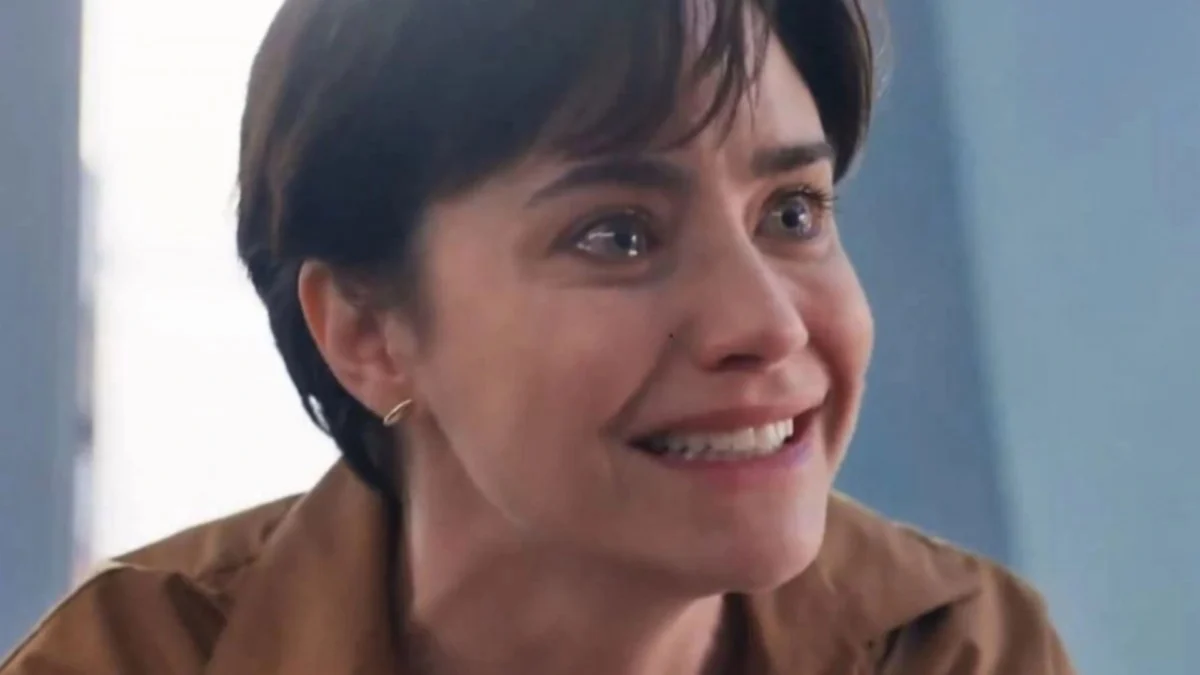
The gripping narrative of Três Graças has taken a dramatic and terrifying turn with the unexpected arrival of Samira (portrayed by Fernanda Vasconcellos) in Portugal, plunging Lena (Barbara Reis) and Herculano (Leandro Lima) into a fresh wave of panic. Samira, a central figure in the series’ ongoing child trafficking storyline, made her presence known with a chilling question: "Pensaram que iam se livrar de mim, né?" (Thought you’d get rid of me, right?), immediately signaling a severe escalation of the already fraught situation. This development not only reintroduces a formidable antagonist but also sets in motion a critical chain of events that will directly impact Gerluce (Sophie Charlotte), placing her in a perilous blackmail scheme orchestrated by the corrupt businessman Ferette (Murilo Benício). The sudden re-emergence of Samira underscores the pervasive and insidious nature of the criminal enterprise the series explores, forcing its characters to confront their past choices and the far-reaching consequences of their actions.
Chronology of a Calculated Confrontation
The tranquility of Lena and Herculano’s flat in Portugal was shattered by Samira’s unannounced visit, a calculated move designed to instill fear and reassert her control. Lena, visibly shaken but attempting to maintain composure, immediately tried to expel the notorious baby trafficker from their home. However, Samira, always one step ahead, refused to leave without seeing the baby, the very child whose acquisition placed Lena and Herculano in their current moral dilemma. The tension in the room was palpable as Samira launched into a scathing critique of Lena’s perceived hypocrisy. "Herculano, essa sua esposa ainda vive na ilusão de que não é bandida? Compra uma criança e acha que isso é caridade apenas?" she sneered, dissecting Lena’s self-deception with brutal precision. This exchange highlights the series’ exploration of moral ambiguity, forcing characters and viewers alike to question the blurred lines between desperate acts and criminal complicity.
Herculano, attempting to protect his family and assert a semblance of authority, vehemently ordered Samira to leave, declaring, "Eu te proíbo de vir aqui, ouviu? Nem eu, nem Lena e nem nossa filha vai ver a sua cara nunca mais!" Despite his defiant stance, Samira achieved her primary objective. Before her departure, she cunningly managed to capture a photograph of the infant. This seemingly innocuous act was, in fact, a crucial step in a larger, more sinister plot. The image was swiftly dispatched to Ferette, confirming his suspicions and providing him with the ultimate leverage he needed for his next move.
The Web of Blackmail: Ferette’s Ruthless Strategy
Ferette, a character synonymous with corruption and manipulative power plays within Três Graças, wasted no time in exploiting the intelligence provided by Samira. His target: Gerluce. The photograph of the baby became the centerpiece of a ruthless blackmail scheme, designed to compel Gerluce to reveal the whereabouts of a substantial sum of money that had been hidden inside a statue. The stakes for Gerluce are astronomically high, as Ferette explicitly conditioned her access to her granddaughter on her compliance. This development, as reported by Notícias da TV, positions Gerluce at a critical crossroads, forcing her to choose between safeguarding her family’s future and succumbing to the demands of a formidable adversary.
The intricate connection between Samira’s child trafficking network and Ferette’s broader corrupt enterprises has been a recurring theme in Três Graças. Samira’s role as a supplier of children to desperate, often unwitting, clients like Lena and Herculano, feeds into a larger ecosystem of illicit activities. Ferette, with his deep pockets and influence, often acts as the financier or the ultimate beneficiary of such schemes, using the vulnerability of others to expand his power and wealth. The use of a child as a pawn in a financial dispute underscores the depravity of their operations and the profound moral decay the series portrays.
Background and Broader Implications: Child Trafficking and Societal Corruption
Três Graças has consistently delved into the dark underbelly of societal issues, with child trafficking standing out as one of its most harrowing themes. The series portrays a complex network involving various layers of individuals, from those directly involved in the abduction or illegal sale of children to intermediaries like Samira, and ultimately, to beneficiaries like Ferette, who exploit these human tragedies for personal gain. This latest development serves as a stark reminder of the enduring threat posed by such criminal enterprises, illustrating how deeply entrenched they can become within a society, even touching individuals who initially believe they are acting out of compassion or desperation.
The fictional events in Três Graças echo real-world concerns about child trafficking, a global crisis that devastates millions of lives annually. According to reports from organizations such as UNICEF and the United Nations Office on Drugs and Crime (UNODC), child trafficking remains a pervasive issue, often driven by poverty, lack of opportunity, and systemic corruption. Traffickers exploit vulnerabilities, employing sophisticated methods to abduct, buy, or coerce children into various forms of exploitation, including illegal adoption. While Três Graças is a fictional drama, its exploration of this theme serves to raise awareness about the devastating impact of such crimes and the moral compromises individuals make when confronted with profound desires or desperate circumstances. The show highlights how illicit activities, particularly those involving human lives, create ripple effects that ensnare even those who believe they are operating in a moral gray area. Lena and Herculano’s initial decision to acquire a child through unconventional means, driven by a desire for parenthood, has now come full circle, demonstrating how such choices can open doors to relentless exploitation by figures like Samira and Ferette.

Ferette’s character embodies the insidious nature of high-level corruption. His ability to manipulate situations, leverage information, and exploit human emotions for financial gain is a central pillar of the show’s critique of systemic moral failures. The "money in the statue" subplot represents not just a hidden fortune but also a symbol of illicit wealth acquired through questionable means, tying directly into the broader narrative of corruption that permeates various aspects of the characters’ lives. His willingness to use an innocent child as a bargaining chip for financial gain paints a chilling portrait of a man devoid of ethical boundaries, highlighting the severe consequences when power and greed converge without accountability.
The Human Element: Fernanda Vasconcellos’s Return and Character Insight
Beyond the escalating plot, the return of Fernanda Vasconcellos to the small screen as Samira has been a significant point of interest for viewers and critics alike. In an interview with Marie Claire, Vasconcellos offered rare insights into her decision to step away from television for a period and her subsequent return. Her absence from novelas, a staple of Brazilian television, was not a rational choice but rather a deeply personal one, driven by motherhood. "Não sei se posso dizer que escolhi [ficar longe do trabalho], porque eu não saberia fazer diferente," she reflected, articulating the profound emotional pull of prioritizing her child. This sentiment resonates with many working parents, particularly women in demanding careers, who often face immense pressure to balance professional aspirations with family responsibilities.
Vasconcellos elaborated on the emotional toll of her hiatus, stating, "Eu sofri muito, senti muita falta do meu trabalho, mas eu ia sofrer muito mais se tivesse ficado longe do meu filho. Fiz o que o meu coração estava sentindo. Não foi uma escolha racional, é uma coisa mais profunda." Her candor provides a valuable perspective on the personal sacrifices often made in the entertainment industry, offering a glimpse into the human side of a public figure. Her return, therefore, is not merely a professional comeback but a testament to finding a new equilibrium between her passion for acting and her role as a mother. This narrative arc for the actress herself adds another layer of depth to her portrayal, as she brings a mature and nuanced understanding of human complexity to a character as morally ambiguous as Samira.
Playing a character like Samira presents unique challenges for an actor. Samira is not a one-dimensional villain; her motivations, while rooted in criminal activity, often hint at a complex backstory that the series slowly unravels. Vasconcellos’s ability to embody this multifaceted antagonist, making her both terrifying and, at times, strangely compelling, speaks to her acting prowess. Her performance contributes significantly to the show’s capacity to explore difficult themes without resorting to simplistic portrayals of good versus evil.
A New Look for a Notorious Character: The Short Haircut
Adding another layer to her character’s reintroduction, Fernanda Vasconcellos also discussed her character’s new visual identity, specifically the adoption of a short haircut for Samira. This aesthetic change was a deliberate choice made by the production’s characterization team. "Foi uma escolha da caracterização. Combina super bem com a Samira que é uma chefe de cozinha. É um cabelo prático para ela trabalhar e me deixa muito confortável para atuar. Gostei muito," Vasconcellos explained.
The practical aspect of the short hair for a chef character makes logical sense, aligning with a professional and efficient image. However, in television drama, visual changes often carry symbolic weight. A short haircut can signify strength, independence, a shedding of past vulnerabilities, or a ruthless determination. For Samira, a character returning to wreak havoc and reassert dominance, this sharp, practical look perfectly complements her hardened resolve and no-nonsense approach to her illicit activities. It reinforces her image as a woman focused on her objectives, unfazed by emotional distractions, and ready for confrontation. For Vasconcellos, this physical transformation not only enhances her character’s authenticity but also provides a sense of comfort that allows her to delve deeper into Samira’s psychological landscape, further enriching her performance.
The Road Ahead: Unraveling the Consequences
The latest developments in Três Graças promise a turbulent and emotionally charged continuation of the series. Samira’s return has not only reignited the immediate danger for Lena and Herculano but has also cast a long shadow over Gerluce’s life, forcing her into an impossible choice. The intertwining fates of these characters, driven by past mistakes, present desires, and the relentless pursuit of power and justice, form the core of the show’s appeal.
As the narrative unfolds, viewers can anticipate a deeper exploration of the moral dilemmas faced by each character. Will Lena and Herculano be able to escape Samira’s clutches and protect their family, or will their past complicity finally catch up to them? How will Gerluce navigate Ferette’s ruthless blackmail, and what sacrifices will she be forced to make to ensure her granddaughter’s safety? The series continues to challenge its audience with complex ethical questions, reflecting societal challenges through its compelling storytelling. The intricate web of crime, corruption, and personal redemption that Três Graças weaves solidifies its position as a thought-provoking and impactful drama within the landscape of contemporary Brazilian television. The show’s commitment to exploring the darker aspects of human nature, coupled with strong performances from its ensemble cast, ensures that its latest twists will keep audiences captivated and engaged as the consequences of Samira’s actions begin to unravel across the lives of those she touches.


 Eva Lovia
 Julia Chirkova
 Julia Prastini
 Nila Kartika Wati
 Lina Irawan
 Jia Lissa