
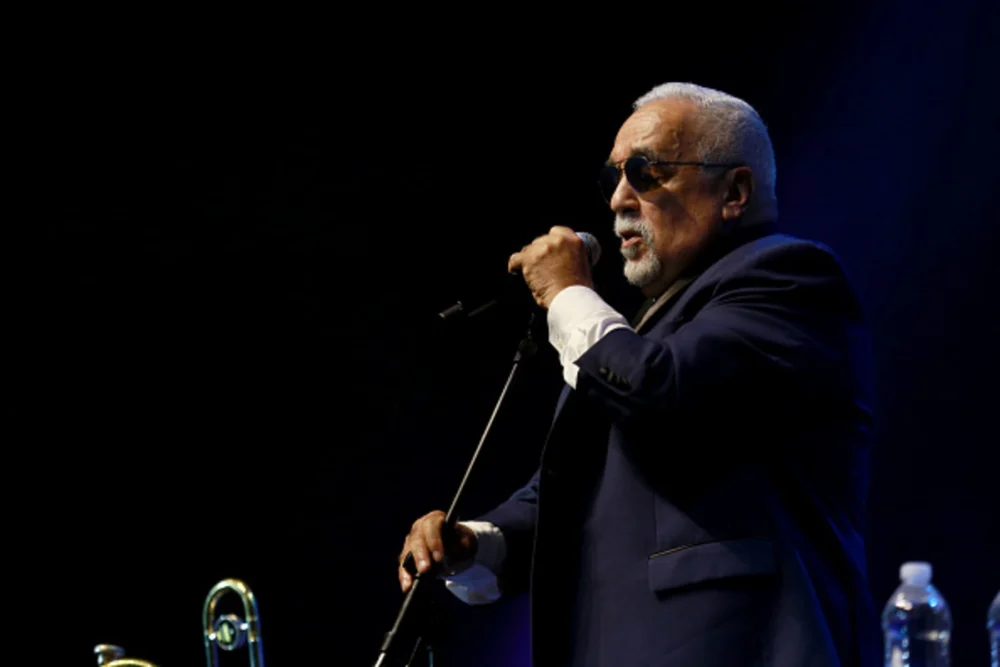
New York City bid a final, poignant farewell to salsa titan Willie Colón on Monday, March 9, as family, friends, and a legion of devoted fans gathered at the hallowed St. Patrick’s Cathedral for a public funeral Mass. The iconic landmark, a symbol of New York’s enduring cultural tapestry, served as the solemn venue to honor the groundbreaking trombonist, arranger, bandleader, and producer whose music profoundly shaped the global soundscape of Latin music. The service, a culmination of weekend-long private and public visitations, offered a space for collective remembrance and tribute to an artist whose influence transcended musical genres and generations.
The funeral Mass, meticulously planned to accommodate those wishing to pay their respects, was also accessible to a worldwide audience through live streaming via St. Patrick’s Cathedral’s official website and YouTube channel. This digital accessibility ensured that fans from across the globe, who may have been unable to attend in person, could participate in the solemn occasion and witness the outpouring of grief and admiration. A recording of the livestream remains available, providing a lasting digital archive of this significant cultural event. The decision to hold the funeral at St. Patrick’s Cathedral was reportedly a long-held wish of Colón himself, a detail shared by his son, Alejandro Miguel Colón, adding a deeply personal layer to the public ceremony. "We got it done," he stated, underscoring the fulfillment of his father’s final desire.
The sense of loss was palpable, articulated through heartfelt eulogies that spoke to Colón’s immense impact. Diego Colón, one of his four children, delivered a moving tribute, stating, "He left a giant shadow. The whole world was changed by his music… those who truly knew him were changed by his love." This sentiment was echoed by those who understood the profound influence Colón wielded not just as a musician, but as a cultural force. His manager, Pietro Carlos, who confirmed the artist’s passing on February 21, articulated the depth of his contribution: "Willie didn’t just change salsa. He expanded it, politicized it, clothed it in urban chronicles and took it to stages where it hadn’t been before. His trombone was the voice of the people." This description encapsulates Colón’s unique ability to weave social commentary and raw urban narratives into the vibrant fabric of salsa, making his music relatable and resonant with a broad spectrum of listeners.
Willie Colón, born in the Bronx, passed away at the age of 75. While the cause of death has not been publicly disclosed, his departure leaves an undeniable void in the music industry. His career, which began at a remarkably young age, was marked by an innovative spirit and a relentless drive to push the boundaries of Latin music.
A Pioneer’s Journey: From the Bronx to Global Stages
Colón’s journey into the heart of salsa music began at 16 with the release of his debut album, El Malo, in 1967. This seminal work, recorded in collaboration with the legendary Héctor Lavoe, immediately announced his arrival as a formidable talent. It was a bold statement, blending raw energy with a sophisticated musicality that would become his hallmark. This early collaboration laid the groundwork for a partnership that would define a generation of salsa.
The 1970s marked a pivotal era for salsa, and Willie Colón was at its vanguard. As a key figure in the Fania Records constellation, he was instrumental in the live album Fania All Stars at the Cheetah (1973). This landmark concert, featuring an ensemble of the era’s most prominent Latin artists, served as a global launching pad for salsa, cementing its place on international music charts and in the consciousness of music lovers worldwide. Alongside fellow pioneers such as Larry Harlow, Johnny Pacheco, and Bobby Valentín, Colón helped to elevate salsa from neighborhood gatherings to concert halls and dance floors across continents. This era built upon the foundations laid by earlier giants like Tito Puente and Eddie Palmieri, who had already begun to define the genre’s rich and complex sound.
Colón’s musical legacy is not only defined by his groundbreaking collaborations but also by his individual artistry. His distinctive trombone playing, characterized by its power, precision, and emotional depth, became instantly recognizable. As an arranger and bandleader, he possessed a keen ear for innovation, seamlessly blending traditional Afro-Caribbean rhythms with jazz, R&B, and funk influences. This fusion created a sound that was both deeply rooted in tradition and thrillingly contemporary. His work as a producer also extended his influence, nurturing the careers of numerous artists and shaping the direction of Latin music for decades.

Charting a Legacy: Billboard’s Recognition of a Titan
Willie Colón’s impact on the music industry is demonstrably reflected in his enduring presence on the Billboard charts. His career’s charting history spans over four decades, beginning in 1985 with Criollo, which achieved a respectable No. 18 on the Top Tropical Albums chart. This sustained success underscores his consistent relevance and appeal to audiences over a significant period. His most recent chart appearance, this week, features his Greatest Hits compilation at an impressive No. 3 on the same ranking, a testament to the timeless quality of his music and its continued popularity.
Among his most beloved and iconic hits are "Idilio," a romantic ballad that has become a staple of salsa playlists; "La Murga," an energetic and infectious instrumental piece that showcases his masterful arrangement skills; and "Calle Luna, Calle Sol," a vivid urban narrative set to an irresistible rhythm. These songs, among many others, have not only achieved commercial success but have also become cultural touchstones, deeply embedded in the collective memory of salsa aficionados. The enduring appeal of these tracks speaks to Colón’s ability to craft music that resonates on both an emotional and a visceral level.
A Voice for the People: Social Consciousness in Salsa
Beyond his musical achievements, Willie Colón was also recognized for his commitment to social commentary and his willingness to address contemporary issues through his art. His music often served as a narrative of urban life, capturing the struggles, joys, and aspirations of the working class and immigrant communities. This "urban chronicles" aspect, as noted by his manager, infused his salsa with a potent political and social consciousness that distinguished him from many of his contemporaries. He used his platform to speak about issues of identity, social justice, and political disenfranchisement, making his music a powerful vehicle for dialogue and awareness.
This aspect of his work resonated deeply with audiences who saw their own experiences reflected in his lyrics and melodies. His collaborations with artists like Rubén Blades, particularly on albums such as Siembra (1978), exemplify this fusion of artistic excellence and social engagement. Siembra, considered a landmark album in salsa history, addressed themes of poverty, corruption, and cultural identity, and its critical and commercial success demonstrated the widespread appetite for music that was both danceable and thought-provoking.
The Cathedral’s Echoes: A City’s Tribute
The choice of St. Patrick’s Cathedral for Colón’s final public service held significant symbolic weight. The cathedral, a neo-Gothic masterpiece, stands as a testament to the grandeur and diversity of New York City. Its selection for the farewell of a luminary of Latin music underscored the integral role that this genre and its artists play in the city’s cultural fabric. The solemnity of the cathedral’s architecture provided a fitting backdrop for a public outpouring of respect for an artist who, while deeply rooted in his community, achieved international acclaim.
The extensive visitation period over the weekend allowed fans and colleagues to share memories and offer condolences privately, creating an atmosphere of communal grieving before the public Mass. The Associated Press reported that the burial would be a private affair, allowing the family a moment of quiet reflection away from the public eye. This balance between public commemoration and private mourning is a common practice for individuals of significant public stature, ensuring that both the legacy and the private lives of the deceased are appropriately honored.
Broader Impact and Enduring Legacy
Willie Colón’s influence extends far beyond the sales figures and chart positions. He was a cultural ambassador who brought the vibrant sounds of salsa to an international audience, fostering understanding and appreciation for Latin American culture. His innovative approach to music production and arrangement inspired countless musicians, and his commitment to social commentary set a precedent for artists seeking to use their voices for positive change.
His passing marks the end of an era, but his music will undoubtedly continue to fill dance floors, inspire new generations of musicians, and resonate with listeners for years to come. The echoes of his trombone, the stories woven into his lyrics, and the spirit of innovation that defined his career will forever be a part of the rich tapestry of global music. The farewell at St. Patrick’s Cathedral was not just an end, but a profound recognition of a life dedicated to the creation of music that moved bodies, stirred souls, and articulated the experiences of a people. His legacy is a vibrant, enduring testament to the power of music to connect, to uplift, and to inspire.

0 Comments