
The long-running animated sitcom The Simpsons has maintained its position as a cornerstone of global popular culture for over three and a half decades. Currently in its 35th season and approaching a historic 37th, the series has cultivated a deep emotional connection between its audience and the eclectic residents of Springfield. While the show is famous for its "frozen timeline" where characters rarely age, it has occasionally broken this mold to address the permanence of death. Fans have previously mourned high-profile departures such as Maude Flanders, who was killed off in Season 11, and Edna Krabappel, whose retirement from the show followed the passing of voice actress Marcia Wallace. However, a recent narrative pivot has brought attention to one of the show’s most enduring yet silent fixtures: Larry Dalrymple.
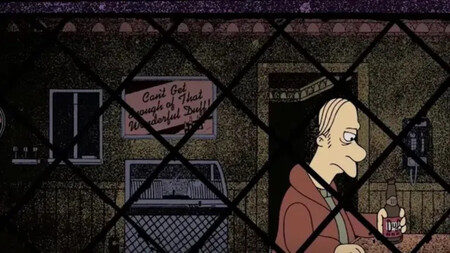
Larry, known to many simply as "Larry the Barfly," had been a staple of the series since its very first episode, "Simpsons Roasting on an Open Fire," which aired in December 1989. For 34 years, he occupied a stool at Moe’s Tavern, positioned alongside Homer Simpson, Barney Gumble, Lenny Leonard, and Carl Carlson. Despite his constant presence, Larry remained a peripheral figure, rarely speaking and serving primarily as atmospheric "set dressing" for the bar scenes. That changed in 2024 when the producers decided to conclude his story, sparking an unexpected wave of reflection across the show’s massive fanbase.
The Narrative Arc of Cremains of the Day
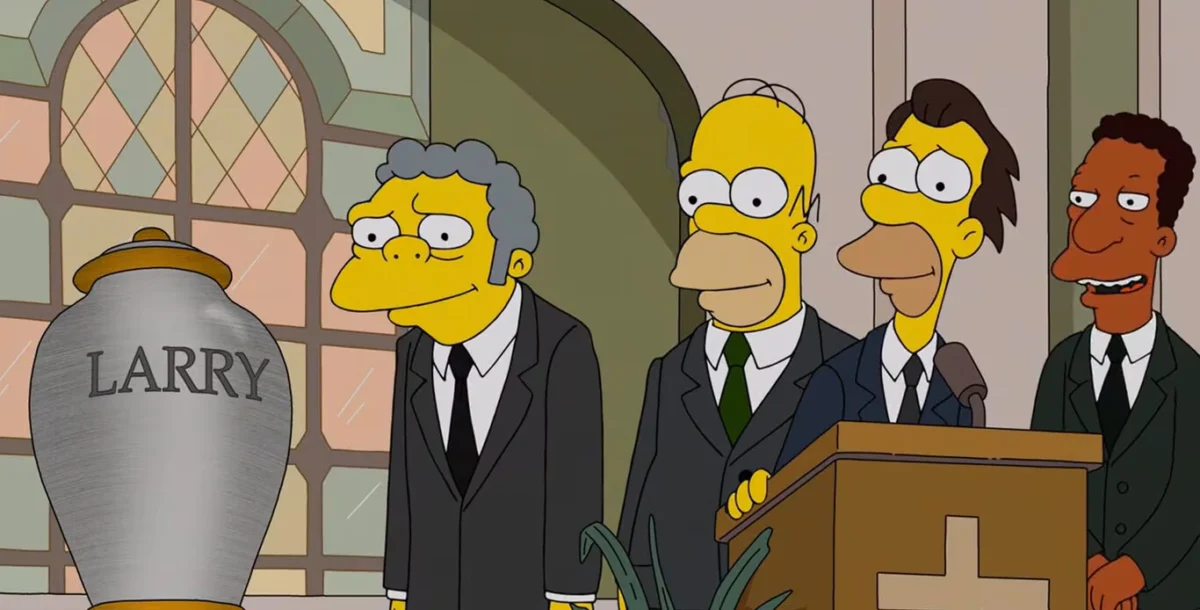
The departure of Larry Dalrymple occurred in the 15th episode of Season 35, titled "Cremains of the Day." The plot is set in motion following a typical evening at Moe’s Tavern. After a heated disagreement regarding a lost bet involving a single dollar, the hot-tempered tavern owner, Moe Szyslak, clears the establishment, ordering all patrons to leave. While Homer, Lenny, and Carl comply, Larry remains motionless at the bar. It is in this quiet, grim moment that the characters—and the audience—realize Larry has passed away.
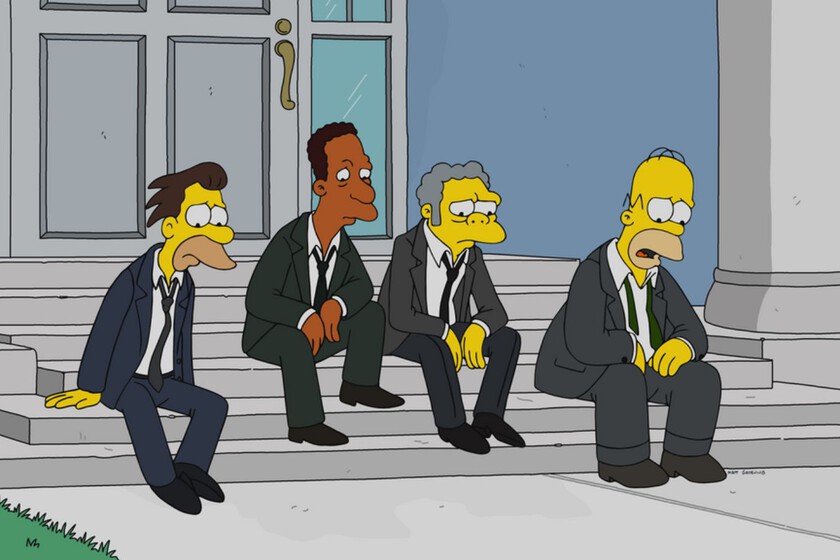
The episode shifts from a standard comedy to a poignant exploration of social proximity and the realization of how little we may know those we see every day. Upon attending the funeral, Marge Simpson observes a striking lack of attendees. The only mourners present are Moe, Lenny, Carl, Homer, and Larry’s elderly mother. In a moment of profound dramatic irony, Larry’s mother expresses her gratitude to the group, stating that her son frequently spoke of them as his "best friends."
This revelation serves as a catalyst for a mid-life crisis for the core group. They realize that despite sitting mere feet away from Larry for over thirty years, they did not know his last name, his occupation, or any details of his personal life. To honor the mother’s request and perhaps to alleviate their own guilt, the group embarks on a road trip to Serenity Falls to scatter Larry’s ashes. This journey serves as the emotional backbone of the episode, forcing the protagonists to confront the superficiality of their social bonds.
Producer Tim Long on the Creative Decision
The decision to eliminate a character who had been part of the Springfield landscape for 35 years was not made lightly. In an interview with Variety, long-time producer and writer Tim Long clarified the creative intentions behind the episode. Long noted that the primary objective was to underscore the inherent value and dignity of every individual, even those who exist on the "periphery" of our lives.
"We didn’t kill the character to be mean-spirited," Long explained during the media cycle following the episode’s airing. He emphasized that the goal was to create a story that resonated with the audience’s own experiences of losing acquaintances or realizing the depth of people they had previously ignored. Long pointed out that while Larry was never a "fan favorite" in the traditional sense—noting that there was never a market for Larry-themed merchandise or catchphrases—his absence was felt deeply precisely because he had been a constant for so long.
Long also addressed the backlash from certain segments of the audience who felt the death was unnecessary or overly somber for the series. He remarked that the emotional reaction from fans was actually a testament to the show’s enduring relevance. "No one would have been upset if The Flintstones had killed off Gazoo," Long joked, suggesting that the anger or sadness felt by fans indicated that Springfield still feels like a real, living community to its viewers.
A Chronology of Mortality in Springfield
Larry Dalrymple joins a small but significant list of characters who have been permanently removed from The Simpsons’ roster. The show’s approach to death has evolved significantly over the decades, moving from comedic plot devices to more grounded, respectful exits.
- Bleeding Gums Murphy (Season 6): One of the first major deaths, Murphy served as Lisa’s musical mentor. His passing was used to explore themes of legacy and grief.
- Maude Flanders (Season 11): Perhaps the most shocking death in the show’s history, Maude was killed by a t-shirt cannon. This event fundamentally changed the character of Ned Flanders, shifting him from a perfect foil for Homer to a tragic widower.
- Frank Grimes (Season 8): A character created specifically to highlight the absurdity of Homer Simpson’s life. His death remains one of the show’s darkest satirical moments.
- Edna Krabappel (Season 25): Unlike other characters, Edna was retired following the real-life death of Marcia Wallace. The show chose not to recast her, instead showing Ned Flanders mourning his second wife in a quiet, respectful tribute.
- Apu Nahasapeemapetilon (Ongoing): While not "dead," the character of Apu has been effectively phased out following the controversy surrounding racial stereotyping documented in the film The Problem with Apu. Voice actor Hank Azaria stepped down from the role, and the character has since become a background figure with no speaking lines, illustrating a "cultural death" or fading out of a once-prominent character.
Digital Impact and Cross-Media Legacy
The death of Larry Dalrymple triggered an immediate and widespread reaction on social media platforms. The hashtag #RIPLarry trended on X (formerly Twitter), as fans shared screenshots of Larry from earlier seasons, highlighting his silent presence during iconic moments in the show’s history. This digital mourning period demonstrated how background characters contribute to the "verisimilitude" of a fictional world; their presence makes the setting feel inhabited and stable.
Furthermore, the impact of Larry’s departure extended beyond the television screen. In 2025, players of the popular video game Fortnite—which has previously collaborated with Disney and The Simpsons—discovered a subtle tribute within the game’s environment. In a recreation of Moe’s Tavern, players noticed an urn containing Larry’s ashes placed atop the "Love-Matic Grampa" machine, a deep-cut reference to a Season 9 episode. This integration into the metaverse highlights how Springfield’s lore continues to permeate modern digital culture.
Analysis: The Value of the Peripheral Character
From a narrative standpoint, the death of Larry Dalrymple serves as a meta-commentary on the nature of long-running television. In a series that has produced over 760 episodes, background characters like Larry act as a tether to the show’s origins. By removing him, the writers have introduced a rare element of change into a world that usually resets every Sunday night.
The episode "Cremains of the Day" functions as a critique of modern social isolation. Homer and his friends represent a common social phenomenon: the "regular" who shares space and time with others without ever forming a substantial connection. The shock they feel upon Larry’s death is not just grief for a lost friend, but the realization of their own self-absorption. By focusing an entire episode on a character who never had a speaking line, the producers successfully challenged the audience to consider the "Larrys" in their own lives—the baristas, coworkers, or neighbors who are present but unseen.
Looking Toward the Future of The Simpsons
As The Simpsons enters its late thirties, the franchise shows no signs of slowing down. With Disney’s acquisition of 20th Century Fox, the series has found a new home on Disney+, where all 35 seasons are available for streaming. The title of this report alludes to the long-standing rumors and executive hints regarding a second feature film, which would arrive roughly two decades after the 2007 debut of The Simpsons Movie.
While the first film focused on a global environmental catastrophe, the current direction of the show suggests that a second film might lean into the deeper emotional territories explored in recent seasons. The success of episodes like "Cremains of the Day" proves that even after 35 years, the residents of Springfield can still surprise, move, and provoke their audience. Whether through the death of a silent barfly or the return to the silver screen, The Simpsons continues to navigate the balance between its satirical roots and its status as a permanent fixture of the global cultural landscape. For now, the stool at Moe’s remains empty, a small but permanent scar on the familiar face of Springfield.

0 Comments