
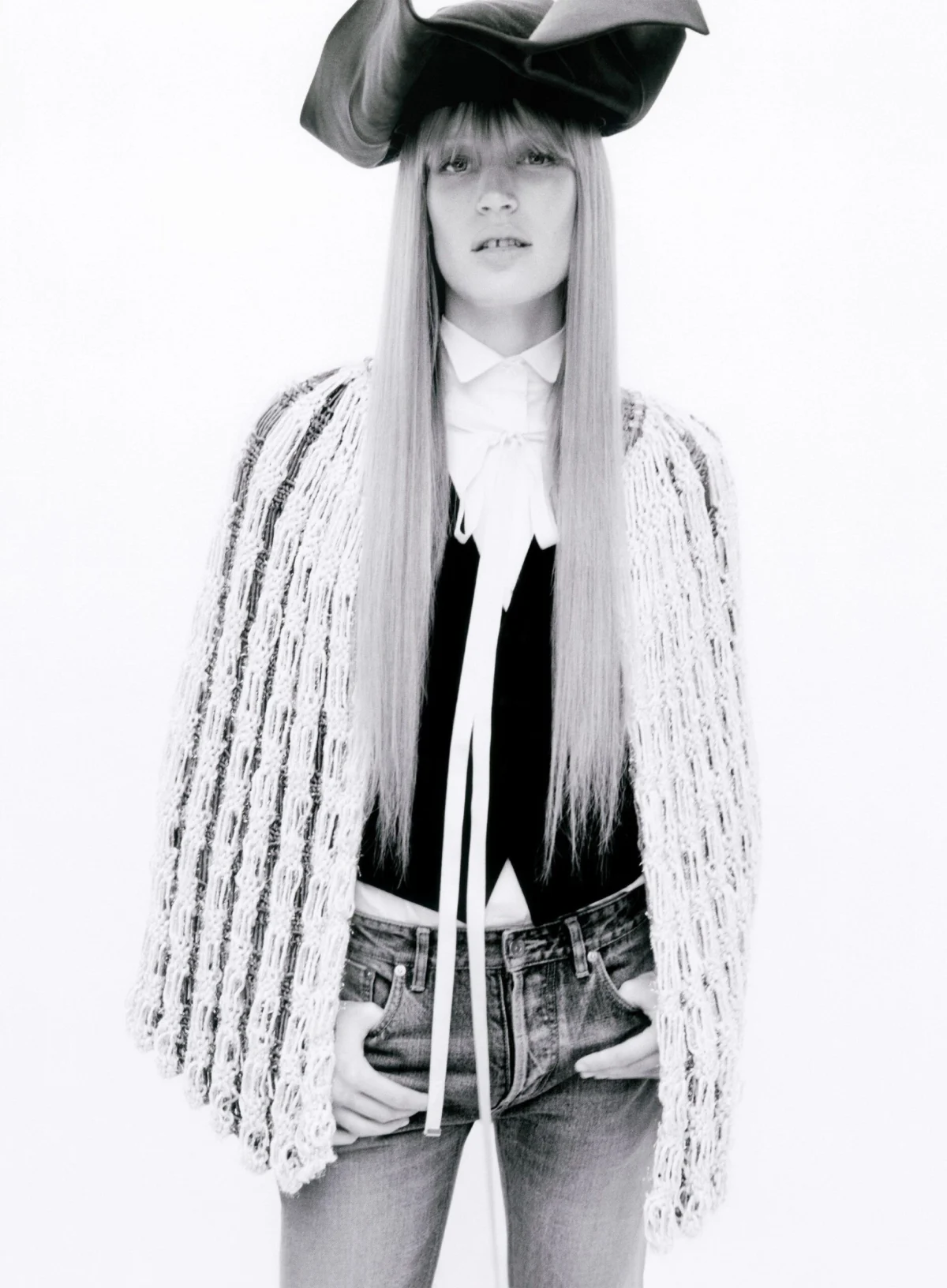
During the original era, the 1970s marked a departure from the rigid structures of the 1960s, favoring visual play, movement, and an overarching feeling of freedom. This aesthetic shift was famously captured in the runway presentations of Yves Saint Laurent, where blouses featuring voluminous ruffles, neck bows, and bold patterns were paired with everything from midi skirts to wide-leg trousers. Fast forward over five decades, and these same elements are dominating the collections of Chloé, Saint Laurent, and Lanvin, proving that the elegance of the 1970s remains an unmatched template for versatile, day-to-night dressing.

The Historical Context: From Liberation to Luxury
The 1970s were a decade of profound social and cultural transition, and fashion served as a primary vehicle for expressing these changes. The decade began with the sunset of the "Space Age" aesthetic and the rise of a more organic, bohemian sensibility. Designers like Yves Saint Laurent and Karl Lagerfeld (at Chloé) began to prioritize the wearer’s comfort and movement, utilizing silks, satins, and lightweight cottons that allowed the body to breathe and move naturally.
The "New Romantic" movement, which gained momentum toward the end of the decade, further refined the blouse as a statement piece. It introduced the "poet" silhouette—billowing sleeves and high collars—that drew inspiration from 19th-century literature and art. By the mid-1970s, the blouse had become the ultimate "chameleon" garment; it was professional enough for the growing number of women entering the corporate workforce when paired with a blazer, yet glamorous enough for the dance floors of Studio 54 when rendered in sheer fabrics or metallic threads.

A Chronology of the Blouse: 1972 to 2026
To understand the current resurgence, one must look at the timeline of these specific silhouettes:
- 1972-1975: Yves Saint Laurent perfects the "Pussy-Bow" (lazo) blouse, making it a symbol of Parisian chic. Concurrently, the "Bardot" neckline becomes a staple of summer Mediterranean style.
- 1976-1979: The "Boho-Chic" movement peaks, with designers like Chloé’s Gaby Aghion emphasizing ruffles and tiered fabrics.
- 1980s-2000s: The 70s blouse goes through various iterations, from the "Power Dressing" pussy-bows of the 80s to the minimalist wraps of the late 90s.
- 2024-2025: A massive resurgence of "Boho-Chic" is triggered by creative directors like Chemena Kamali at Chloé, setting the stage for the 2026 collections.
- 2026: The 70s blouse is officially codified as a "modern classic," appearing in nearly every major Spring-Summer collection with a focus on sustainable fabrics and versatile styling.
Analyzing the Five Pillars of the 2026 Revival
The Spring-Summer 2026 season has identified five specific blouse styles that define the current trend. Each brings a unique historical weight and modern utility to the runway.

1. The Romantic Ruffle Blouse
As seen in the latest Chloé collections, the ruffle blouse remains the epitome of the bohemian spirit. The 2026 iteration focuses on V-necklines adorned with delicate frills that extend to the cuffs. This design encourages a "play of layers," where the movement of the fabric creates a dynamic silhouette. Industry analysts suggest that the popularity of this style is linked to a broader consumer desire for "tactile luxury"—clothing that feels as good as it looks.
2. The Sophisticated Striped Pussy-Bow
Saint Laurent has revisited its 1972 archives to reintroduce the vertical-striped blouse with a formal neck bow. Rendered in deep burgundy and satin finishes, this piece bridges the gap between masculine tailoring and feminine elegance. Unlike the more casual ruffle blouse, the striped pussy-bow is designed for the sartorialist. It pairs best with pencil skirts or high-waisted trousers, reflecting a return to "corporate glamour" that has been trending in major fashion capitals.

3. The Bardot Neckline
The off-the-shoulder "Bardot" style, named after Brigitte Bardot, remains the quintessential summer garment. In the 2026 season, designers have moved away from the stiff elastics of the past, opting instead for vaporous, sheer fabrics that drape naturally across the shoulders. This style is frequently cited by fashion historians as the "ultimate vacation piece," offering a blend of sensuality and effortless ease.
4. The Minimalist Wrap Blouse
The wrap blouse, popularized by Diane von Furstenberg in the 70s, has been reimagined by Lanvin for 2026. The new versions often eschew the busy prints of the past in favor of monochromatic, "white impoluto" (pure white) designs. The wrap blouse is celebrated for its inclusivity, as the adjustable waist allows for a tailored fit on a variety of body types. This functional elegance is a key driver for its commercial success in the luxury market.

5. The Poet Blouse and Pop Culture Influence
The poet blouse has seen a significant spike in interest, driven largely by its presence in contemporary cinema and the "New Romantic" revival in pop culture. Referenced in recent film adaptations of literary classics, the poet blouse—with its voluminous sleeves and high neck—has been adopted by a younger generation looking to blend historical costume with modern streetwear. Brands like Another Tomorrow have refined this look, using organic silks to appeal to the environmentally conscious consumer.
Supporting Data and Market Analysis
The return of 1970s-style blouses is not merely an aesthetic choice but a calculated response to market trends. According to recent retail data from high-end fashion platforms, searches for "vintage-inspired silk blouses" have increased by 42% year-over-year. Furthermore, the "resale value" of authentic 1970s designer blouses from brands like Saint Laurent and Chloé has risen by 30%, indicating a robust appetite for this specific era.

Economic analysts point out that during periods of global economic uncertainty, consumers tend to gravitate toward "investment pieces"—garments that have a proven history of remaining stylish over several decades. The 70s blouse fits this criteria perfectly. It is a "low-risk, high-reward" purchase for luxury consumers who want versatility.
Industry Reactions and Sustainability
The fashion community has largely embraced the 70s revival. Creative directors have noted that the "fluidity" of 70s silhouettes aligns perfectly with the industry’s move toward gender-neutral and inclusive sizing. "The 70s blouse is a masterclass in proportion," noted one lead designer during the Paris previews. "It allows for a sense of drama without the restrictive tailoring of other decades."

From a sustainability perspective, the 2026 collections are emphasizing natural fibers. Unlike the synthetic polyesters often used in the original 1970s mass-market versions, the current revival utilizes Tencel, organic silk, and recycled cotton. This shift ensures that the "freedom" associated with the 70s aesthetic also applies to the ethical footprint of the garment.
Broader Impact and Styling Implications
The resurgence of these blouses is fundamentally changing how the "modern uniform" is constructed. The Spring-Summer 2026 runways suggest three primary ways to style these heritage pieces:

- The Boho-Chic Look: Pairing a ruffle or poet blouse with flared jeans and platform sandals to fully lean into the 70s aesthetic.
- The Sartorial Contrast: Combining a delicate Bardot or wrap blouse with heavy masculine tailoring, such as oversized blazers or pleated wool trousers.
- The Evening Minimalist: Utilizing the satin pussy-bow blouse as a standalone statement piece with simple silk skirts for a high-glamour, low-effort evening ensemble.
As the industry moves forward, the 1970s blouse stands as a testament to the enduring power of well-designed silhouettes. By blending the romanticism of the past with the technical and ethical standards of the present, designers have ensured that these pieces will remain relevant far beyond the 2026 season. The message of the 1970s—one of liberation, visual play, and personal expression—continues to resonate, proving that true elegance is never truly out of style.

0 Comments