
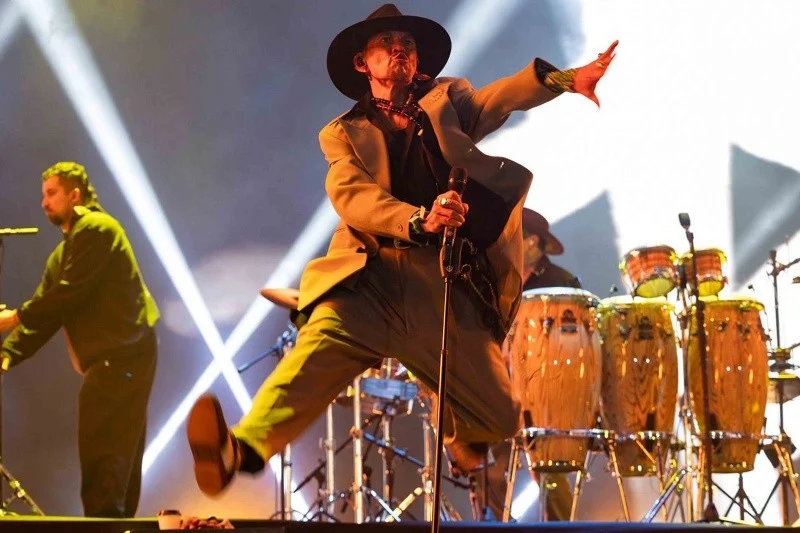
Under the nascent glow of dawn, affectionately dubbed the "Manto Estelar," the first day of Vive Latino 2026 culminated in a spectacular double header, featuring two titans of Mexican music: the iconic La Maldita Vecindad y los Hijos del Quinto Patio and the pioneering electro-pop group Moenia. As the clock edged past midnight into the early hours of Saturday, March 15, 2026, the Estadio GNP, the pulsating heart of the festival, remained a crucible of unyielding energy, defying nearly twelve hours of non-stop music and exuberant celebration. This grand finale underscored the festival’s reputation as a cornerstone of Latin American musical culture, drawing an immense crowd whose collective spirit remained undimmed despite palpable fatigue.
La Maldita Vecindad: A Ska-Punk Sermon for the Masses
The Amazon Music stage became a vibrant canvas for La Maldita Vecindad, who took command with an electrifying performance that saw the Estadio GNP packed to capacity. From the moment the first notes reverberated through the vast arena, the crowd, a sea of humanity, transformed into a unified organism, pulsating with jumps and cheers. The band, stalwarts of the Mexican rock scene since the mid-1980s, delivered a set list brimming with their most cherished anthems, weaving a tapestry of ska, rock, and traditional Mexican influences that has defined their nearly four-decade-long career.
Known for their distinctive "pachuco" aesthetic, a nod to the Mexican-American youth subculture of the mid-20th century, La Maldita Vecindad brought their unique blend of social commentary and infectious rhythms to the fore. Tracks like "Lo Pasado, Pasado," a defiant reinterpretation of a classic, resonated deeply, igniting waves of nostalgia and rebellion. The energetic "Pata de Perro" and the introspective "Solín" further fueled the collective fervor, leading to the spontaneous formation of "círculos de paz y baile." These signature mosh pits, far from being aggressive, are a testament to the band’s ethos of communal celebration and unity through music, inviting fans to dance freely and expressively to the driving ska beats. The sight of thousands moving in unison, a dizzying swirl of joyful chaos, epitomized the inclusive spirit that La Maldita Vecindad has championed throughout their career.
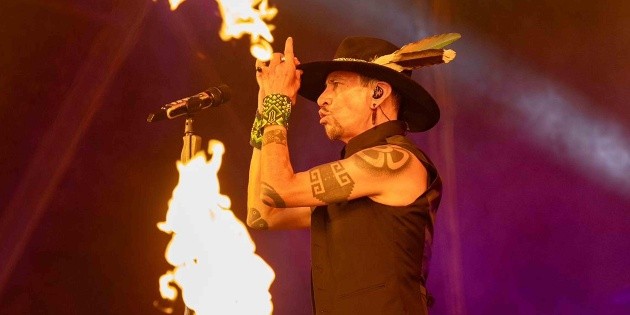
Beyond the music, lead vocalist Rocco Pachukote, known for his eloquent and often impassioned sociopolitical commentary, did not shy away from using the massive platform to advocate for global solidarity. In a poignant moment that hushed the roaring crowd, Rocco delivered a powerful message of support for Cuba, Venezuela, and Palestine, three nations currently grappling with profound geopolitical and humanitarian crises. This act of vocal advocacy is a consistent feature of La Maldita Vecindad’s performances, reflecting their long-standing commitment to social justice and human rights. Their music has always served as a voice for the marginalized and a mirror to societal issues, and their presence at Vive Latino reaffirmed their role not just as entertainers, but as cultural provocateurs and conscience-keepers. The audience’s thunderous applause following Rocco’s address underscored the deep connection between the band’s artistic expression and their fans’ shared values.
Moenia: Three Decades of Electro-Pop Brilliance
Following the raw, visceral energy of La Maldita Vecindad, the atmosphere transitioned seamlessly as Moenia took to the stage, serving as the "cereza del pastel" for Saturday’s programming. The electro-pop trio, celebrating an impressive three decades in the music industry, delivered a set that was both a nostalgic journey and a testament to their enduring relevance. Since their inception in the early 1990s, Moenia has been instrumental in shaping the landscape of Mexican electronic pop, known for their sophisticated synths, catchy melodies, and introspective lyrics. Their performance at Vive Latino was a pivotal moment in their 30th-anniversary celebrations, offering fans a curated experience of their extensive discography.
Despite the late hour and the accumulated exhaustion of the festival-goers, Moenia’s performance was met with an enthusiastic reception. The band, comprising Alfonso Pichardo, Jorge Soto, and Alex Midi, orchestrated a sonic landscape that perfectly blended their signature electronic sound with the palpable excitement of a live audience. Their set was meticulously crafted to highlight their most iconic tracks, those that have become essential staples on countless playlists over the years. "Ni Tú Ni Nadie," a cover that Moenia transformed into an electro-pop anthem, elicited a massive sing-along, its melancholic yet danceable beat resonating with the late-night crowd. "Morir Tres Veces" showcased their lyrical depth and atmospheric sound, while the eponymous "Manto Estelar" brought a fitting poetic closure to the night, its shimmering synths echoing the literal starry mantle above.
For those who had endured the entirety of the first day, Moenia’s performance was a cathartic release, a final burst of energy before the inevitable winding down. Their ability to unite a diverse audience, from seasoned electronic music fans to those simply looking for an uplifting close to the day, speaks volumes about their widespread appeal and the timeless quality of their music. The visual spectacle accompanying their set, characterized by intricate light designs and projected graphics, further enhanced the immersive experience, transforming the Estadio GNP into a dazzling electronic sanctuary.

The Enduring Spirit of the Vive Latino Audience
The narrative of Vive Latino’s first day would be incomplete without acknowledging the extraordinary resilience and unwavering spirit of its attendees. As the sun began its tentative ascent, painting the sky with hues of purple and orange, thousands of faces, though adorned with the undeniable signs of fatigue and lack of sleep, continued to reflect an unyielding joy and euphoria. Nearly twelve hours of continuous music, traversing a multitude of genres and stages, had tested their endurance, yet the communal energy remained incredibly high.
This ability to sustain such high spirits is a hallmark of the Vive Latino experience. Festival-goers often meticulously plan their schedules, navigating between the various stages – the main Amazon Music Stage, the Carpa Little Caesars, the Escenario Telcel, and others – to catch their favorite acts. The logistical ballet of moving through vast crowds, securing vantage points, and staying hydrated and fed is an intrinsic part of the festival’s challenge and charm. The shared experience of overcoming these minor hurdles fosters a profound sense of camaraderie among attendees, transforming individual concert-goers into a temporary, cohesive community united by a love for music.
The early morning hours, often considered the most magical at Vive Latino, create a unique atmosphere. As the initial frenzy of the evening subsides, a more intimate, almost meditative vibe takes over. It’s during these moments that the deep connection between artist and audience truly shines, where the music transcends mere entertainment and becomes a shared emotional journey. The "Manto Estelar" metaphor perfectly encapsulates this feeling – a sense of being enveloped by the vastness of the cosmos and the shared human experience under a canopy of stars, transitioning into the hopeful light of a new day.
Vive Latino: A Cultural Institution’s Enduring Legacy
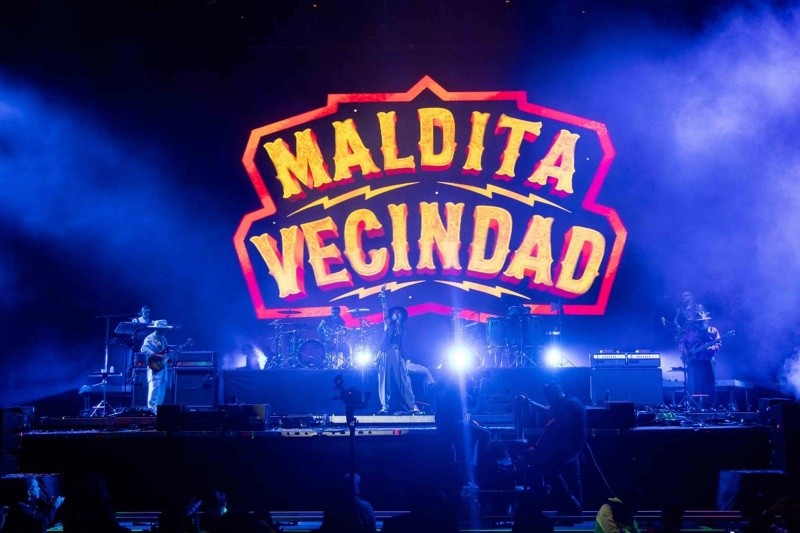
The Vive Latino festival, inaugurated in 1998, has grown exponentially from its humble beginnings to become one of the most significant and influential music festivals in Latin America. Its annual staging in Mexico City, predominantly at the Foro Sol and now the Estadio GNP, serves as a crucial platform for both established legends and emerging talents across a spectrum of genres, primarily rock, alternative, ska, punk, electronic, and cumbia. Over the years, it has hosted a staggering array of international and domestic artists, shaping musical tastes and cultural discourse across the continent.
The festival’s consistent success and growth reflect not only the robust appetite for live music in Mexico but also its adaptability and commitment to fostering a diverse musical ecosystem. Beyond the performances, Vive Latino contributes significantly to the local economy, drawing tens of thousands of visitors, both national and international, who contribute to tourism, hospitality, and local businesses. The meticulous planning involved, from stage construction and sound engineering to security and waste management, is a testament to the organizational prowess required to orchestrate an event of this magnitude. Security protocols, medical services, and transportation logistics are carefully coordinated to ensure the safety and comfort of all attendees, creating an environment where music can be enjoyed freely and responsibly.
The festival also acts as a cultural barometer, reflecting and often influencing social trends. The inclusion of politically vocal artists like Rocco of La Maldita Vecindad, or bands that champion specific causes, underscores Vive Latino’s role as more than just a music event; it’s a dynamic public forum where ideas are exchanged and communities are galvanized.
Anticipation Builds for Day Two
As the last echoes of Moenia’s synthesizers faded into the brightening sky, thousands of festival-goers, their smiles framed by eyes heavy with sleep but bright with memories, began their slow procession towards the exits of the Estadio GNP. Many were already deep in conversation, dissecting the highlights of the first day and eagerly planning their itineraries for the second. The sheer volume of talent and the meticulous scheduling ensures that every attendee has a unique experience, a personal narrative woven from the performances they chose to witness.
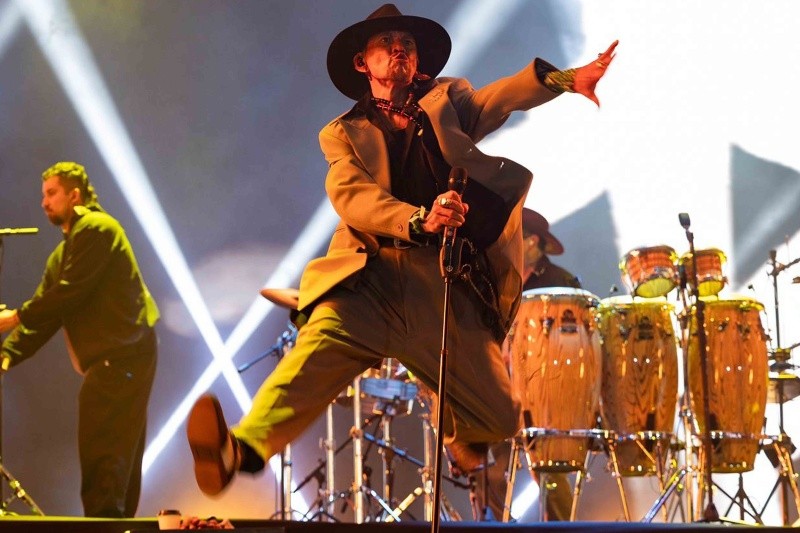
The actions for the second day of Vive Latino 2026 are slated to commence around 13:30 hours, promising another full day of musical immersion. The lineup for Sunday is equally compelling, with powerhouse acts such as the legendary Los Fabulosos Cadillacs poised to deliver another unforgettable performance. Other notable artists and bands like Música pa’ Mandar a Volar and many more are scheduled to grace the various stages, ensuring that the festival’s momentum continues unabated.
The transition between days is a logistical marvel, with crews working tirelessly to reset stages, perform sound checks, and prepare the grounds for the next wave of revelers. For many, the brief respite between the close of day one and the opening of day two is a precious opportunity to recharge, reflect, and prepare for another dive into the vibrant world of Vive Latino. The collective anticipation for what the next day will bring is a testament to the festival’s magnetic pull and its enduring place in the hearts of music lovers. The first day may have ended under a "manto estelar," but the spirit of Vive Latino burns brightly, promising even more magic on the horizon.

0 Comments