
 Raisa Andriana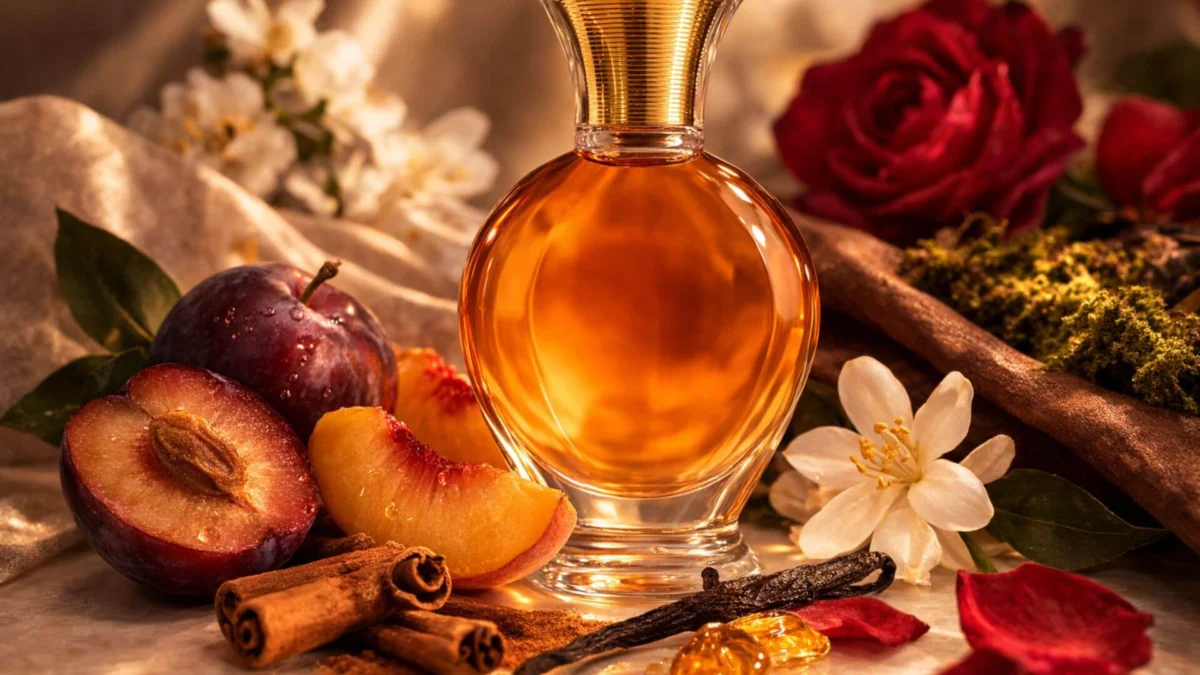
The global fragrance industry, currently valued at over $58 billion, is often driven by the ephemeral nature of trends, yet a select group of "legacy" scents continues to command significant market share decades after their initial release. Among these, Femme Rochas stands as a seminal work of olfactory art, a fragrance that not only survived the socioeconomic upheavals of the mid-20th century but also redefined the technical boundaries of the "Chypre" family. Originally formulated in 1944 during the final stages of World War II, this creation by the legendary perfumer Edmond Roudnitska for the couturier Marcel Rochas remains a benchmark for the industry. Its recent resurgence in retail spaces, characterized by strategic price adjustments at major distributors such as El Corte Inglés—where it has seen reductions from €128 to approximately €61.99—highlights a broader consumer shift toward heritage brands and "vintage" olfactory profiles that offer complexity and longevity often missing from contemporary minimalist formulations.
Historical Chronology: Perfumery as a Reflection of Post-War Resilience
To understand the significance of Femme Rochas, one must examine the chronological landscape of the 1940s. This era represented a pivot point in human history, where the austerity of war gave way to a desperate need for beauty, luxury, and cultural rebirth. While the geopolitical map was being redrawn, the "Golden Age" of French perfumery was simultaneously taking shape.

In 1944, Marcel Rochas commissioned Edmond Roudnitska to create a fragrance that would serve as a tribute to femininity and a gift to his wife, Hélène. The timing was audacious; France was still grappling with the realities of occupation and liberation. Despite the scarcity of raw materials, Roudnitska utilized a revolutionary base known as "Prunol," which provided the distinctive, overripe plum note that would become the fragrance’s signature.
Following the 1944 launch of Femme, the industry saw a cascade of historical releases:
- 1945: The debut of Miss Dior, which sought to capture the "New Look" of Christian Dior through a green, floral chypre.
- 1947: Nina Ricci’s L’Air du Temps, a fragrance symbolized by its dove-topped bottle, representing a plea for peace.
- 1948: Balmain’s Vent Vert, which introduced an aggressive, galbanum-heavy green profile that signaled a break from pre-war tradition.
Femme Rochas preceded these icons, establishing the "Fruity Chypre" sub-category. It moved away from the cold, formal structures of early 20th-century perfumes, opting instead for a warm, carnal, and spicy depth that mirrored the burgeoning desire for intimacy and optimism in the post-war social fabric.

Olfactory Architecture: The Technical Data of a Classic
The longevity of Femme Rochas in the marketplace is attributed to its sophisticated chemical architecture. In perfumery, the "Chypre" family—traditionally defined by the contrast between a citrus top (bergamot) and a mossy, woody base (oakmoss and patchouli)—is known for its "intellectual" and structural quality. Femme Rochas disrupted this by introducing a heavy dose of lactones and spicy elements.
Top Notes: The Immediate Impact
The opening of the fragrance is dominated by a concentrated accord of ripe plum and velvet-skin peach. Data from consumer olfactory studies suggest that stone fruits are often associated with comfort and "density" in scent. This is balanced by bergamot, which provides the necessary acidity to prevent the sweetness from becoming cloying.
Heart Notes: The Floral-Spicy Core
The transition into the heart of the perfume reveals a complex interplay of spices and florals. Cinnamon serves as the primary bridge, offering a dry, bark-like warmth that interacts with the clove-like nuances of carnation. Jasmine adds a "white floral" luminosity, though it is a grounded, indolic jasmine rather than a fresh, soapy variety.

Base Notes: The Structural Foundation
The dry-down is where the fragrance’s heritage is most evident. The use of oakmoss provides an earthy, forest-floor dampness, while a leather accord adds a sophisticated, animalic touch. The inclusion of vanilla in the base is a strategic move that ensures the "trail" or sillage remains creamy and persistent for upwards of eight to ten hours on the skin.
Market Analysis: The "Grandmacore" Trend and the Value of Heritage
Economic data from the luxury sector indicates a growing "vintage" sentiment among Gen Z and Millennial consumers, a phenomenon often referred to in lifestyle media as "Grandmacore." This demographic is increasingly rejecting the hyper-sweet, "candy-like" gourmands that dominated the 2010s in favor of perfumes that possess "soul" and historical weight.
The price volatility of Femme Rochas—dropping by over 50% in certain European markets—is a calculated move by parent companies to capture this younger demographic. By making a high-prestige, historical concentrate accessible, retailers are tapping into the "affordable luxury" segment. Industry analysts suggest that for legacy brands, maintaining a presence in physical department stores like El Corte Inglés is essential for survival, as it allows new generations to experience the tactile and olfactory reality of a scent that they may have previously only seen in historical archives.

Comparative Evolution: From Femme to Xerjoff’s Lira
The influence of the 1944 Rochas masterpiece can be traced through the evolution of spice-forward fragrances. A modern point of comparison is Lira by the Italian niche house Xerjoff. While Femme Rochas is a Fruity Chypre, Lira belongs to the "Gourmand" family, yet they share a common DNA in their use of cinnamon and citrus.
Lira, which retails at a significantly higher price point (approximately €270 for 100ml), represents the 21st-century evolution of the spicy-sweet profile. Where Femme uses plum and oakmoss to create a "shadowy" elegance, Lira uses blood orange, caramel, and lavender to create a "bright" dessert-like experience. This comparison illustrates the shift in the perfume industry:
- 1944 (Femme): Focus on seduction, mystery, and structural complexity.
- Modern Era (Lira): Focus on "edible" notes, comfort, and high-concentration niche ingredients.
However, the fact that consumers continue to compare a €60 classic to a €270 niche product speaks to the superior formulation of mid-century perfumery. The "quality-to-price" ratio of legacy scents like Femme Rochas remains one of the highest in the beauty industry.

Regulatory Impact and the Challenge of Reformulation
One of the most significant "behind-the-scenes" stories in the history of Femme Rochas is the impact of IFRA (International Fragrance Association) regulations. Over the last two decades, the use of natural oakmoss—a key ingredient in the original 1944 formula—has been strictly limited due to its status as a potential allergen.
This forced a major reformulation in 1989, led by perfumer Olivier Cresp. The "New" Femme had to replicate the depth of the original using synthetic substitutes and a slightly more prominent cumin note. This change sparked a significant reaction from perfume critics and purists, many of whom argued that the "soul" of the fragrance had been altered. However, the 1989 version is the one that has largely survived into the 2020s, proving that a well-executed reformulation can maintain a fragrance’s market relevance even when faced with stringent chemical regulations.
Broader Implications: Perfume as Intangible Heritage
The persistence of Femme Rochas on retail shelves is more than a commercial success; it is a preservation of intangible cultural heritage. In a world of fast fashion and digital saturation, a fragrance that has remained in continuous production for 80 years serves as a tether to the past. It provides a sensory link to the aesthetic values of the 1940s—a time when perfume was not merely a cosmetic accessory but a statement of identity and a defiance of hardship.

The current trend of discounting such fragrances suggests a democratization of luxury. As consumers become more educated about "notes" and "nose" (the perfumer), the demand for "substance over marketing" is likely to grow. Femme Rochas, with its deep trail of plum, cinnamon, and vanilla, remains a testament to the idea that true elegance does not age; it merely waits for a new generation to rediscover it. Whether purchased as a nostalgic gift or as a bold new signature for a young professional, the 1944 classic continues to prove that in the world of high perfumery, the oldest stories are often the most compelling.




 Eva Lovia
 Julia Chirkova
 Julia Prastini
 Nila Kartika Wati
 Lina Irawan
 Jia Lissa