
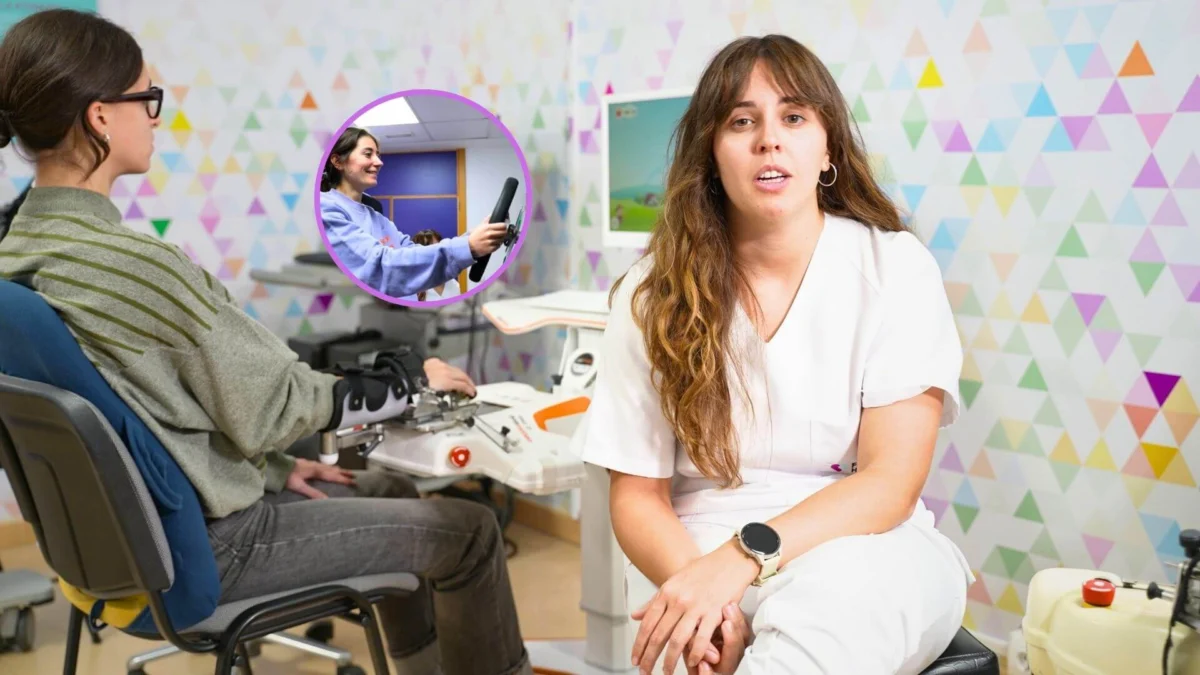
The intersection of automotive engineering and medical rehabilitation has reached a significant milestone in Spain, as a five-year collaborative project between Hyundai Motor Spain and the Fundación Hospitalarias Madrid reports groundbreaking results in treating patients with Acquired Brain Injury (ABI). What began in 2021 as a corporate social responsibility initiative involving the donation of a high-performance rally driving simulator has evolved into a cornerstone of neurorehabilitation, successfully helping 31% of participating patients return to real-world driving. Furthermore, clinical data reveals that 100% of the patients who utilized the simulator as part of their recovery program experienced measurable therapeutic advancements in cognitive and motor functions. This initiative underscores a growing trend in modern medicine: the repurposing of commercial technology to solve complex healthcare challenges, specifically in restoring the autonomy and self-esteem of those recovering from severe neurological trauma.

The Genesis of a Technological Partnership
The partnership was inaugurated in early 2021 when Hyundai Motor Spain delivered a sophisticated driving simulator, originally designed for professional rally training, to the Fundación Hospitalarias in Madrid. The hospital, managed by the Sisters Hospitallers (Hermanas Hospitalarias), specializes in the comprehensive treatment of neurological disorders and brain injuries. The objective was to determine whether the high-fidelity environment of a racing simulator could provide a safe, controlled, and effective platform for patients to practice the complex multi-tasking required for driving.
Acquired Brain Injury, which can result from strokes, traumatic brain injuries (TBI), tumors, or infections, often leaves individuals with significant deficits in coordination, reaction time, and executive function. For many survivors, the loss of a driver’s license is not merely a logistical hurdle but a profound blow to their independence and social integration. Recognizing this, Hyundai and the medical team at Hospitalarias sought to bridge the gap between clinical therapy and the return to daily life. Over the last half-decade, the project has transitioned from a pilot program to a validated clinical tool, demonstrating that the stimulation provided by the "virtual cockpit" is an unrivaled method for retraining the brain.

Understanding the Clinical Impact of Acquired Brain Injury
To appreciate the success of the Hyundai simulator, it is essential to understand the scale of the challenge posed by Acquired Brain Injury. In Spain alone, it is estimated that over 400,000 people live with ABI, with approximately 100,000 new cases reported annually. Stroke remains the leading cause, followed closely by road traffic accidents and falls resulting in head trauma. The recovery process is often grueling and non-linear, requiring a multidisciplinary approach involving physiotherapists, occupational therapists, neuropsychologists, and speech therapists.
Driving is one of the most cognitively demanding tasks a human performs. it requires the simultaneous integration of visual-spatial awareness, motor coordination of all four limbs, rapid decision-making, and sustained attention. Traditional rehabilitation often relies on "tabletop" exercises—cognitive puzzles or computer-based tasks that, while helpful, lack "ecological validity," meaning they do not accurately mimic the high-pressure, real-world environment of a busy intersection or a highway merge. The introduction of the Hyundai simulator changed this dynamic by providing a high-stakes environment with zero physical risk.

The Evolution of the Simulation Technology
The technology provided by Hyundai has not remained static since its installation. While the hardware—comprising a high-torque steering wheel, hydraulic pedals, and immersive panoramic screens—provides the physical foundation, the software has seen significant upgrades to meet clinical needs. Most notably, the integration of the "Taxi Driver" software has transformed the experience from a racing game into a sophisticated urban navigation trainer.
Unlike rally software, which focuses on speed and physics, the urban simulation recreates the unpredictable nature of city driving. Patients must navigate traffic lights, yield to pedestrians, interpret complex road signs, and react to the sudden movements of other vehicles. This "ecological" approach allows therapists to monitor a patient’s "cognitive load"—the amount of mental effort required to perform the task. By gradually increasing the complexity of the simulation, therapists can push the boundaries of a patient’s recovery without the anxiety associated with being in a real car on a public road.

A Five-Year Chronology of Progress
The timeline of this collaboration reflects a steady progression from experimental use to standardized protocol:
- 2021: The Launch. Hyundai Motor Spain cedes the simulator to the Fundación Hospitalarias. Initial trials focus on patient engagement and the feasibility of using racing hardware for medical purposes.
- 2022: Protocol Integration. Medical staff at Hospitalarias develop specific therapeutic modules. The simulator is no longer a "bonus" activity but is integrated into the official occupational therapy schedules for eligible patients.
- 2023: Software Expansion. The introduction of urban driving modules allows for more nuanced data collection regarding reaction times and peripheral vision awareness.
- 2024: Data Consolidation. Long-term tracking of former patients reveals that those who used the simulator had a significantly higher rate of passing official state driving re-evaluations.
- 2025: Milestone Reporting. Hyundai and the Foundation release the five-year impact report, highlighting the 31% return-to-driving rate and the 100% therapeutic improvement rate.
Clinical Findings: Beyond the Steering Wheel
The data collected over five years provides a compelling argument for the use of simulation in neurorehabilitation. The 100% improvement rate noted by the hospital refers to a broad spectrum of "therapeutic gains." These include improvements in:

- Sustained and Divided Attention: Patients showed a marked increase in the ability to focus on the road while simultaneously monitoring mirrors and dashboard instruments.
- Executive Function: The simulator requires rapid problem-solving, such as deciding when it is safe to turn left across traffic, which directly translates to improved planning skills in daily life.
- Physical Coordination: For patients with hemiparesis (weakness on one side of the body), the simulator provides a repetitive, engaging way to practice limb coordination and fine motor control.
- Anxiety Reduction: One of the greatest barriers to returning to the road is fear. The simulator allows patients to "fail" in a safe environment, building the confidence necessary to attempt real-world driving.
The 31% of patients who returned to the road represents a major victory for the Spanish healthcare system. Regaining a driver’s license often means a return to the workforce, a reduction in the need for specialized transport services, and a significant decrease in the caregiver burden on family members.
Human Stories: The Face of the Data
The statistical success of the program is best illustrated through the story of individuals like José Miguel Aguilar. After suffering a severe stroke (ictus), Aguilar faced a long road to recovery that initially focused on basic mobility and speech. However, as an active individual, his primary goal was to regain his driver’s license. For Aguilar, the Hyundai simulator served as the "bridge" that made the impossible feel attainable.

"The simulator gave me back the feeling of being in control," Aguilar noted during the five-year anniversary event. "In the hospital, you are a patient. In the simulator, you are a driver. That shift in mindset is just as important as the physical recovery." His successful return to driving has not only restored his personal freedom but has served as an inspiration for other patients currently undergoing the program.
Institutional Perspectives and Corporate Responsibility
For Hyundai Motor Spain, this project is a flagship example of their global vision, "Progress for Humanity." This philosophy suggests that the role of an automotive company is not just to build vehicles, but to facilitate mobility in all its forms. By providing the technology and maintaining the equipment, Hyundai has demonstrated a long-term commitment that goes beyond a simple one-time donation.

Leopoldo Satrústegui, President of Hyundai Motor Spain, has emphasized that the company views mobility as a fundamental human right. "Seeing our technology used to rebuild lives is the highest validation of our work," Satrústegui stated. "Innovation is only meaningful when it serves people, and this partnership with Fundación Hospitalarias is a testament to what happens when corporate resources meet medical expertise."
Representatives from the Fundación Hospitalarias have echoed this sentiment, noting that the simulator has become one of their most popular and effective tools. Dr. Joan Ferri, a leading specialist at the center, pointed out that the "gamification" aspect of the simulator keeps patients motivated. "Traditional rehab can be repetitive and frustrating. The simulator turns therapy into a challenge that patients want to beat, which leads to better outcomes."

Broader Implications for the Future of Healthcare
The success of the Hyundai-Hospitalarias project offers a blueprint for future collaborations between the private sector and healthcare providers. As virtual reality (VR) and augmented reality (AR) technologies become more sophisticated and affordable, their application in treating neurological and psychological conditions is likely to expand.
Furthermore, this project highlights the importance of "pre-driving" assessments. In many countries, the process for evaluating whether a brain injury survivor is fit to return to the road is often subjective or based on outdated testing methods. The data-driven approach provided by high-end simulators offers a more objective, rigorous way to assess readiness, potentially leading to safer roads and more equitable licensing decisions.

As the program enters its sixth year, the focus will shift toward expanding the reach of the technology. There are discussions regarding the possibility of creating a network of such simulators across other rehabilitation centers in Spain, ensuring that more ABI survivors have the opportunity to reclaim their independence.
The legacy of the last five years is clear: when a racing simulator is stripped of its competitive nature and placed in a clinical setting, it ceases to be a toy and becomes a lifeline. For the hundreds of patients at Fundación Hospitalarias, the "road to recovery" is no longer just a metaphor—it is a tangible, paved path that they are now capable of navigating on their own.

0 Comments