
 Nila Kartika Wati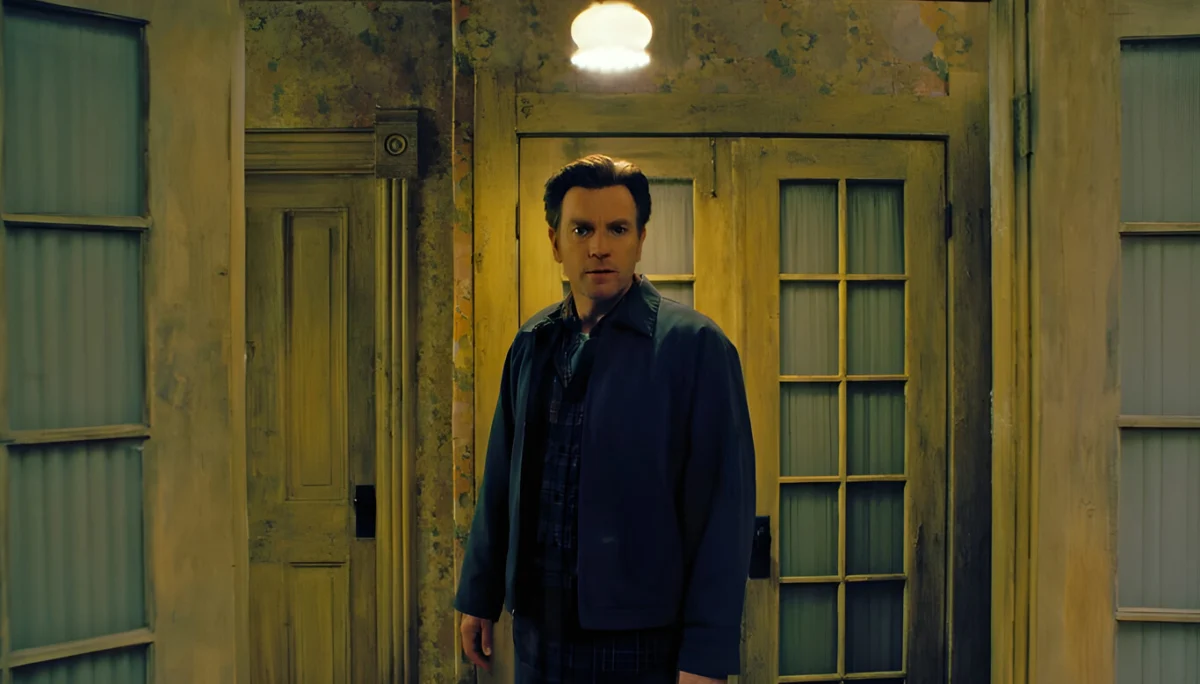
The digital landscape for high-end horror cinema is poised for a significant shift as Mike Flanagan’s 2019 psychological thriller, Doctor Sleep, prepares to exit the two most prominent streaming services in the Mexican market. According to current licensing schedules, the film is slated to leave Netflix on March 18, followed by its removal from the HBO Max (now Max) catalog on March 31. This dual departure marks a rare instance where a major studio production vanishes from competing platforms simultaneously, leaving a narrow window for subscribers to experience a film that has transitioned from a modest box-office performer to a critically reclaimed cult classic.
As a direct sequel to Stanley Kubrick’s 1980 masterpiece The Shining, Doctor Sleep faced the monumental task of reconciling Stephen King’s original literary vision with Kubrick’s divergent cinematic interpretation. The film’s upcoming removal highlights the volatile nature of streaming distribution rights, particularly for Warner Bros. Pictures’ properties, which often cycle through various licensing windows across international territories. For viewers in Mexico, the end of March represents the final opportunity to stream the theatrical version of the film as part of standard subscription packages before it reverts to digital rental or purchase-only status.
Narrative Continuity and the Evolution of Dan Torrance
Doctor Sleep picks up decades after the harrowing events at the Overlook Hotel. The story follows an adult Dan Torrance, portrayed by Ewan McGregor, who remains deeply scarred by the telepathic "shining" and the trauma of his father’s descent into madness. Having succumbed to the same alcoholism that plagued Jack Torrance—a narrative choice that serves as a grim reflection of hereditary trauma—Dan eventually finds a semblance of peace in a small New Hampshire town. His sobriety and psychic suppression are challenged when he establishes a telepathic connection with Abra Stone (Kyliegh Curran), a teenager whose "shining" is more powerful than anything Dan has ever encountered.

The antagonist force, the True Knot, introduces a darker layer to the established lore. Led by the charismatic and lethal Rose the Hat (Rebecca Ferguson), the True Knot is a nomadic cult of quasi-immortals who feed on the "steam"—the psychic essence emitted by children with the shining during moments of extreme pain and terror. The conflict escalates into a high-stakes psychological war, forcing Dan to confront his past by returning to the site of his original trauma: the ruins of the Overlook Hotel.
Bridging the King-Kubrick Divide
One of the most significant achievements of Doctor Sleep is its successful synthesis of two diametrically opposed creative legacies. Stephen King famously expressed his disdain for Stanley Kubrick’s 1980 adaptation of The Shining, arguing that the film lacked the "heart" of his novel and fundamentally misunderstood the character of Jack Torrance. Kubrick’s film focused on a cold, architectural descent into madness, whereas King’s book was a deeply personal exploration of the disease of addiction.
Director Mike Flanagan, a self-professed devotee of both King and Kubrick, structured Doctor Sleep to serve as a bridge. While the film is an adaptation of King’s 2013 sequel novel, Flanagan utilized the visual language, iconography, and musical motifs of Kubrick’s film. This was achieved with King’s blessing, a feat previously thought impossible given the author’s long-standing grievances with the 1980 film. Flanagan successfully convinced King that the climax of Doctor Sleep could serve as a redemptive conclusion for the Torrance family, providing the closure that King felt was missing from the Kubrick version.
Technical Meticulousness and Production Excellence
The production of Doctor Sleep was characterized by an extraordinary attention to detail, particularly in the recreation of the Overlook Hotel. Rather than relying solely on archival footage or digital manipulation, the production team physically reconstructed several of Kubrick’s original sets using the 1980 blueprints found in the Warner Bros. archives. These included the Colorado Lounge, the Gold Room, and the iconic corridors with the geometric carpet.

The cinematography by Michael Fimognari intentionally mirrors Kubrick’s use of wide-angle lenses and steady-cam shots, yet it evolves into a more contemporary, intimate style during the scenes involving the True Knot. Rebecca Ferguson’s performance as Rose the Hat has been singled out by critics as one of the most compelling villainous turns in modern horror. To enhance the visceral nature of the character, Ferguson reportedly performed many of her own stunts, contributing to the grounded, physical threat the cult poses despite their supernatural abilities.
Critical Reception and the Shift to Streaming Success
Upon its theatrical release in November 2019, Doctor Sleep saw a modest commercial performance, grossing approximately $72 million worldwide against a production budget of roughly $45 million. Analysts attributed this to its long runtime (152 minutes) and the inherent difficulty of marketing a sequel to a 40-year-old film to younger audiences. However, the film’s reputation grew exponentially upon its arrival on home media and streaming platforms.
Critical aggregates reflect this positive trajectory. On Rotten Tomatoes, the film maintains a "Certified Fresh" rating, with the audience score notably higher than the critical average—a testament to its resonance with genre fans. Reviewers from Variety and The Hollywood Reporter praised Flanagan’s ability to handle the "impossible" task of following Kubrick, noting that the film manages to be a character study about recovery while still delivering the requisite scares of a mainstream horror epic.
Broader Impact and the Future of the Stephen King Cinematic Universe
The departure of Doctor Sleep from Netflix and HBO Max comes at a time of renewed interest in the "Shining" mythology. HBO is currently in development of Welcome to Derry, a prequel series set in the world of Stephen King’s IT, which further signals the studio’s strategy to expand King’s literary universes into long-form streaming content.
The removal of the film also underscores a broader trend in the streaming industry: the consolidation of content. As Warner Bros. Discovery continues to refine its Max platform, licensing agreements that previously allowed high-profile titles to coexist on Netflix are being scrutinized. The "disappearance" of films from these services often precedes their relocation to a single proprietary platform or a move to FAST (Free Ad-supported Streaming Television) channels, reflecting the shifting economics of digital distribution.
Chronology of the Torrance Legacy
To understand the weight of Doctor Sleep’s departure, one must look at the timeline of the franchise’s development:
- 1977: Stephen King publishes The Shining.
- 1980: Stanley Kubrick releases the film adaptation, which becomes a cinematic landmark but alienates King.
- 2013: King publishes the sequel novel, Doctor Sleep, focusing on Dan’s sobriety.
- 2019: Mike Flanagan’s film adaptation is released, successfully merging the two previous versions.
- 2020–2023: The film finds a massive second life on streaming, becoming a staple of "Best Horror" lists on Netflix and HBO Max.
- March 2024: The film exits major subscription services in the Mexican market.
Final Implications for Subscribers
For fans of horror and cinematic history, the loss of Doctor Sleep from these platforms is more than just the removal of a single title; it represents the closing of a chapter on one of the most successful literary adaptations of the last decade. The film remains a primary example of how to handle legacy sequels with reverence rather than cynicism.
As the March 18 and March 31 deadlines approach, the move serves as a reminder for consumers of the ephemeral nature of digital libraries. While the film will likely remain available for individual purchase on platforms like Amazon Prime Video, Apple TV, and Google Play, its absence from the two most used subscription tiers in Mexico marks a significant change for casual viewers looking for high-quality, atmospheric horror. Those who have yet to witness Ewan McGregor’s nuanced portrayal of Dan Torrance or the haunting return to the Overlook Hotel are encouraged to prioritize the film before the month concludes.



 Eva Lovia
 Julia Chirkova
 Julia Prastini
 Jia Lissa
 admin
admin