
 Nila Kartika Wati
The streaming landscape is preparing for a significant transition as Jordan Peele’s directorial debut, Get Out, is scheduled to depart the Netflix library on March 18. This departure marks the end of a notable tenure on the platform for a film that is widely credited with revitalizing the horror genre and introducing the concept of "social horror" to a global audience. While the film’s exit from Netflix represents a shift in accessibility for millions of subscribers, the move is part of a broader realignment of licensing agreements involving Universal Pictures and various digital distribution platforms. For viewers who have yet to experience the psychological depth of this 2017 masterpiece, the mid-March deadline serves as a final call to view the film within the Netflix ecosystem before it moves exclusively to other premium services.
The Narrative Foundation and the Rise of Social Horror
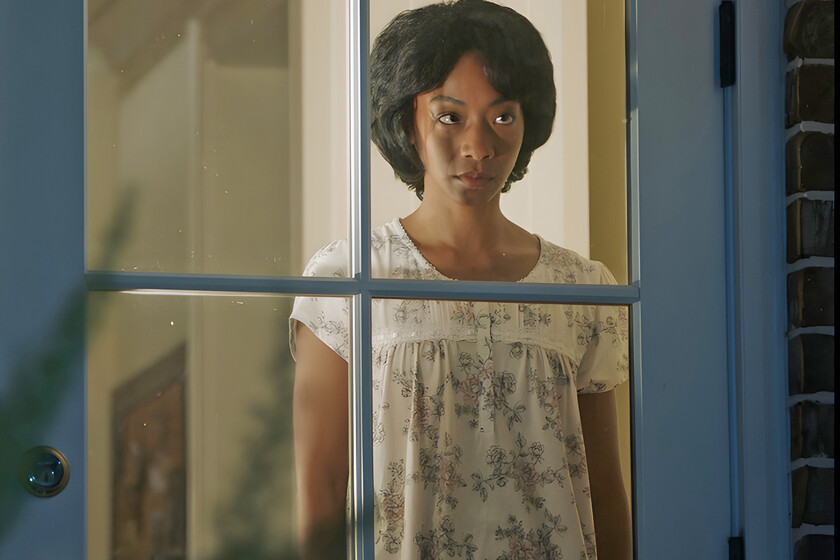
At its core, Get Out is a meticulously crafted psychological thriller that follows Chris Washington, a young African American photographer portrayed by Daniel Kaluuya. The narrative begins with a familiar premise: Chris is traveling with his girlfriend, Rose Armitage (Allison Williams), to spend a weekend at her parents’ secluded estate in upstate New York. While Rose’s parents, Missy and Dean (Catherine Keener and Bradley Whitford), initially appear to be overcompensating with excessive hospitality to mask their discomfort with their daughter’s interracial relationship, the atmosphere quickly shifts from awkward to predatory.
The brilliance of Peele’s screenplay lies in its ability to weaponize the "polite" microaggressions of suburban liberalism. Unlike traditional horror films that rely on supernatural entities or masked slashers, Get Out identifies the villain as a systemic, insidious form of prejudice. This approach birthed the term "social horror," a subgenre where the primary source of terror is derived from societal structures, racial dynamics, and the loss of autonomy within a hostile community. The film’s climax and its exploration of the "Sunken Place"—a visual metaphor for the disenfranchisement and silencing of Black voices—have since become permanent fixtures in the lexicon of contemporary cinema and cultural criticism.
A Chronology of Success: From Sundance to the Oscars
The journey of Get Out is a testament to the power of original storytelling in an industry often dominated by franchises and intellectual property. The film made its unannounced world premiere at the Sundance Film Festival in January 2017, where it immediately became the most talked-about title of the event. Distributed by Universal Pictures and produced by Blumhouse Productions, the film was released theatrically in the United States on February 24, 2017.
The timeline of the film’s success was rapid and unprecedented for a low-budget horror entry:
- February 2017: The film opened to $33.4 million in its debut weekend, far exceeding industry tracking.
- March 2017: Within less than a month of release, it surpassed the $100 million mark domestically, a rare feat for an R-rated horror film with a February release date.
- January 2018: Get Out received four Academy Award nominations, including Best Picture, Best Director, and Best Actor for Daniel Kaluuya.
- March 2018: Jordan Peele won the Oscar for Best Original Screenplay, making him the first African American to win in that category.
The film’s accolades were not limited to the Academy. It received praise from the Directors Guild of America, the Writers Guild of America, and the Screen Actors Guild, solidifying its status as a critical darling that bridged the gap between "elevated horror" and mainstream commercial success.
Financial Performance and the Blumhouse Model
The financial data surrounding Get Out remains a primary case study in Hollywood efficiency. Produced on a modest budget of just $4.5 million, the film went on to gross $176 million in North America and $79.4 million in international territories, culminating in a global box office total of $255.4 million. This represents a return on investment (ROI) that few films in history have ever matched.

This success further cemented the "Blumhouse Model"—a strategy spearheaded by producer Jason Blum that focuses on low-budget, high-concept films that grant directors significant creative freedom. By keeping production costs low, the studio minimizes risk while allowing for provocative storytelling that might be diluted in a high-budget studio environment. Get Out proved that social commentary and high-tension horror could be both critically prestigious and immensely profitable, paving the way for Peele’s subsequent projects, Us (2019) and Nope (2022).
Critical Reception and Cultural Legacy
The critical consensus for Get Out has remained remarkably high since its debut. On the review aggregator Rotten Tomatoes, the film maintains a 98% approval rating based on nearly 400 reviews. Critics have consistently praised Kaluuya’s performance, particularly his ability to convey profound terror through subtle facial expressions, and Peele’s direction, which balances suspense with biting satire.
Beyond the numbers, the film’s cultural impact is difficult to overstate. The concept of the "Sunken Place" has been analyzed in academic circles and utilized in political discourse to describe the feeling of being marginalized or rendered powerless within a dominant culture. Furthermore, the film’s influence is visible in the current "renaissance" of horror, where filmmakers are increasingly using the genre to explore themes of trauma, class, and identity.
Statements from the film’s cast and crew over the years suggest that the project was born out of a desire to see a specific type of fear reflected on screen—one that is grounded in reality rather than fantasy. Jordan Peele has noted in various interviews that the script was partially inspired by an Eddie Murphy stand-up routine regarding the anxieties of visiting a partner’s family in an unfamiliar neighborhood. Peele transformed that observation into a sophisticated exploration of the "white gaze" and the commodification of Black bodies.

Streaming Migration and Industry Implications
The departure of Get Out from Netflix on March 18 is a reminder of the volatile nature of streaming rights. While Netflix has historically been the primary destination for licensed content, the rise of studio-specific platforms like Peacock (owned by NBCUniversal) and Max (Warner Bros. Discovery) has led to a more fragmented market.
As Get Out exits Netflix, it is expected to maintain its presence on HBO Max and Amazon Prime Video in various regions, though these listings are also subject to regional licensing agreements. For Universal Pictures, moving their premier titles between platforms serves as a strategic tool to maximize licensing revenue while occasionally funneling viewers toward their own proprietary services.
Industry analysts suggest that the movement of such high-profile "evergreen" content—films that maintain high viewership years after release—is a key driver of subscriber churn. When a cultural phenomenon like Get Out leaves a major platform, it often prompts a segment of the audience to follow the content to a competing service, highlighting the ongoing "streaming wars" where content library depth is the primary weapon.
Broader Impact on the Horror Genre
The legacy of Get Out extends beyond its own 104-minute runtime. Its success fundamentally changed how major studios perceive the horror genre. Following its release, there was a noticeable uptick in the production of "prestige horror" or "elevated horror" films that prioritized atmosphere and thematic depth over jump scares.

The film also broke barriers for Black creators in the genre. Before 2017, the presence of Black protagonists in horror was often relegated to tropes or secondary roles. Get Out placed a Black man’s perspective at the absolute center of the narrative, forcing the entire audience to identify with his specific anxieties and fears. This shift has opened doors for a new generation of diverse filmmakers to use horror as a canvas for social and political exploration.
Conclusion: A Final Window for Netflix Subscribers
As the March 18 deadline approaches, the removal of Get Out from Netflix represents more than just a change in a digital catalog; it is the closing of a chapter for one of the most significant films of the 21st century on the world’s largest streaming platform. The film remains a vital piece of cinema that demands multiple viewings to fully appreciate the layers of symbolism and foreshadowing embedded in Peele’s script.
For those looking to engage with a film that is as intellectually stimulating as it is visceral, the next few days provide a final opportunity to stream Get Out on Netflix. Whether viewed as a chilling thriller, a sharp social satire, or a historical milestone in film history, its impact remains undiminished seven years after its release. As it migrates to other platforms, its status as a cornerstone of modern American cinema is firmly secured, ensuring that the conversation surrounding the Armitage family and the Sunken Place will continue for years to come.



 Eva Lovia
 Julia Chirkova
 Julia Prastini
 Jia Lissa
 admin
admin