
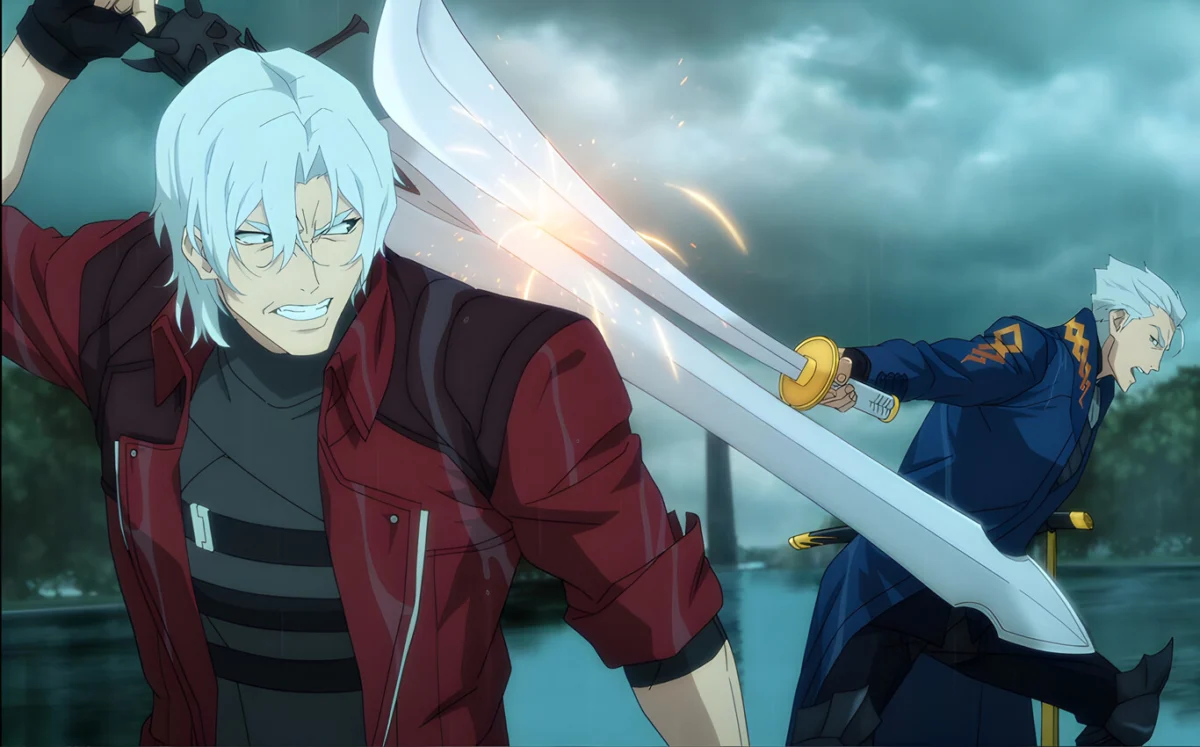
The landscape of digital entertainment has shifted significantly toward cross-media synergy, and few examples are as prominent as the recent resurgence of video game adaptations on streaming platforms. Following a 404-day hiatus since the debut of its first season, Netflix has officially released the second season of Devil May Cry, an animated series based on the iconic Capcom franchise. This new installment marks a significant escalation in the series’ production value, narrative complexity, and visual intensity. Produced in collaboration with Capcom and overseen by showrunner Adi Shankar, the second season arrives with a perfect critical rating on review aggregators and a promise to delve deeper into the gothic lore that has defined the gaming franchise for over two decades.
The return of Devil May Cry to the small screen is not merely a continuation of a singular storyline but a strategic move by Capcom to solidify its intellectual properties within the global television market. As the gaming industry sees a "golden age" of adaptations—ranging from HBO’s The Last of Us to Netflix’s own Arcane and Castlevania—the Devil May Cry series aims to capture both the hardcore gaming demographic and a broader audience seeking high-octane, adult-oriented animation. The second season specifically focuses on the escalating conflict between the protagonist, Dante, and his twin brother, Vergil, a narrative pillar that has remained a fan favorite since the release of the video game Devil May Cry 3: Dante’s Awakening in 2005.
Narrative Evolution: The Sons of Sparda and the Shadow of Mundus
At the core of the second season is the exploration of the "Sons of Sparda" legacy. For those unacquainted with the source material, the series follows Dante, a silver-haired demon hunter who operates a struggling paranormal investigation business. Dante is a hybrid being—half-human and half-demon—born from the union of a human woman, Eva, and a powerful demon knight named Sparda, who famously rebelled against his own kind to protect humanity. While the first season established Dante’s prowess as a mercenary and his penchant for stylish, hyper-violent combat, the second season pivots toward a more personal and canonical narrative arc.
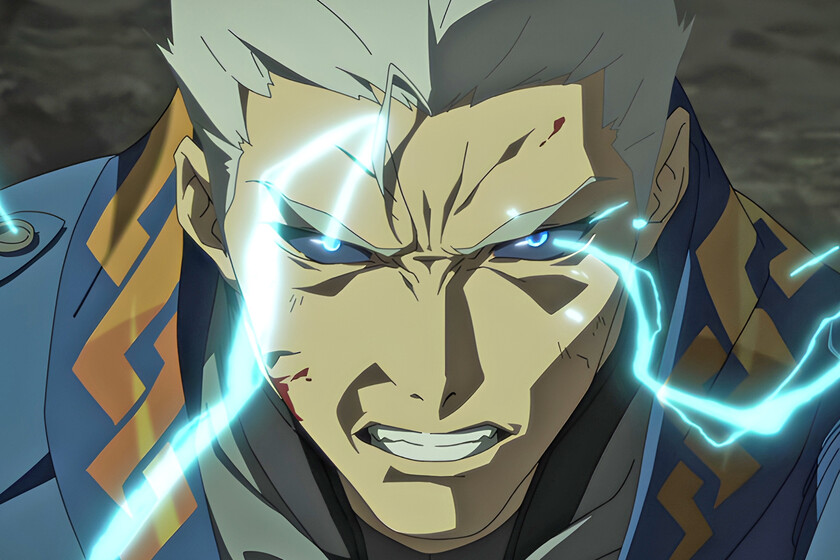
The introduction of Vergil, Dante’s twin brother, serves as the primary catalyst for this season’s conflict. Unlike Dante, who embraces his humanity and uses his demonic powers to safeguard the mortal realm, Vergil is traditionally depicted as a stoic, power-hungry antagonist who seeks to discard his human side in favor of total demonic ascension. This ideological rift provides a sophisticated backbone for the season’s action sequences, transforming them from mere spectacles of gore into emotionally charged confrontations. Furthermore, the season introduces Mundus, the Prince of Darkness and the primary antagonist of the original 2001 game. The presence of Mundus elevates the stakes from local demonic infestations to a global existential threat, aligning the series more closely with the overarching "lore" of the Capcom games.
Production Background and the Influence of Adi Shankar
The creative direction of the Devil May Cry anime is led by Adi Shankar, a producer who has become synonymous with successful video game-to-anime transitions. Shankar, who previously garnered acclaim for his work on the Castlevania series, has adopted a philosophy he describes as the "Bootleg Multiverse," where he treats source material with a blend of reverence and creative liberty. Under his guidance, the series maintains the "stylish action" aesthetic that defined the games while introducing a narrative weight that episodic gaming often lacks.
The animation is handled by Studio Mir, the South Korean studio renowned for its work on The Legend of Korra and Voltron: Legendary Defender. For Devil May Cry Season 2, the studio has reportedly increased the frame count for combat sequences to mirror the "high-speed" gameplay of the franchise. The visual style leans heavily into the "Gothic Noir" aesthetic, utilizing high-contrast lighting and a muted color palette punctuated by the vibrant reds of Dante’s coat and the visceral blood effects that the series is known for. The decision to embrace an "R-rated" or "TV-MA" tone was intentional, as both Capcom and Shankar sought to avoid the sanitization often found in mainstream adaptations.
Chronology of the Devil May Cry Media Franchise
To understand the significance of this release, one must look at the timeline of the Devil May Cry intellectual property. The franchise began in 2001, originally conceived by Hideki Kamiya as an early prototype for Resident Evil 4. When the project veered too far into the realm of stylized action, it was rebranded as Devil May Cry. Since then, the franchise has seen five mainline entries, a reboot, and a previous 12-episode anime series produced by Madhouse in 2007.

The 2007 anime was often criticized for its slower pace and lack of connection to the games’ central plot. In contrast, the current Netflix iteration is designed to be a "love letter" to the fans, incorporating specific combat moves, weapon designs (such as the Rebellion sword and the Ebony & Ivory pistols), and musical motifs from the games. The 404-day wait between the first and second seasons of the current series was reportedly due to the complexities of the animation process and a desire to ensure that the characterization of Vergil met the high expectations of the global fanbase.
Supporting Data and Critical Reception
Upon its debut, the second season of Devil May Cry achieved a rare 100% approval rating on Rotten Tomatoes, a testament to its successful balancing act between fan service and standalone storytelling. While early viewership data from Netflix is still being processed, internal metrics suggest that the series has seen a significant "attach rate," meaning viewers who watched the first season returned almost immediately for the second.
The success of the series is also reflected in the increased sales of the video game titles. According to market analysts, releases of high-quality adaptations often lead to a "halo effect" for the source material. Following the premiere of Season 1, Capcom reported a notable uptick in digital sales for Devil May Cry 5: Special Edition and the Devil May Cry HD Collection. This synergy is a primary driver for Capcom’s continued investment in the streaming space. The company has adopted a "Single Content, Multiple Usage" strategy, ensuring that its brands remain relevant across consoles, cinema, and mobile platforms.
Official Responses and Industry Implications
While Capcom has remained characteristically tight-lipped regarding specific future plot points, company representatives have expressed satisfaction with the partnership. In a recent statement regarding their multimedia strategy, Capcom executives highlighted the importance of "brand longevity," noting that high-quality animation allows them to explore character backstories that would be difficult to implement in a gameplay-focused environment.
Industry analysts suggest that the success of Devil May Cry Season 2 reinforces a growing trend: the shift away from live-action adaptations in favor of high-budget animation. Live-action adaptations of video games have historically struggled with "the uncanny valley" and the difficulty of replicating game physics. Animation, however, allows for a seamless transition of the "impossible" feats performed by characters like Dante. This has led to a surge in demand for studios like Studio Mir and creators like Adi Shankar, who understand the specific visual language of gaming.
Broader Impact and Future Outlook
The implications of this release extend beyond the immediate Devil May Cry fandom. It serves as a blueprint for how legacy gaming franchises can be revitalized for a modern audience. By focusing on the "rivalry" trope—a cornerstone of Shonen anime and Western drama alike—the series transcends its gaming roots to become a compelling dark fantasy epic.
As the second season concludes, it leaves several narrative threads open, particularly regarding the role of other iconic characters such as Lady and Trish, who have made brief appearances or been alluded to in the series’ lore. There is also significant speculation regarding a potential "Capcom Cinematic Universe" or "Animated Universe," as Shankar has previously hinted at connections between his various projects. Given the 100% critical score and the robust support from Netflix, a third season appears not only likely but necessary to conclude the war against Mundus.
In conclusion, Devil May Cry Season 2 represents a high-water mark for video game adaptations. It successfully navigates the transition from a mechanics-heavy medium to a narrative-heavy one without losing the "soul" of the original work. For Netflix, it provides a high-value anchor in its adult animation catalog. For Capcom, it is a powerful marketing tool that keeps one of its oldest franchises at the forefront of popular culture. For the fans, it is the violent, stylish, and lore-accurate depiction of Dante and Vergil that they have requested for years. The series is currently available for streaming worldwide on Netflix, standing as a definitive example of how to respect a gaming legacy while forging a new path in the streaming era.

0 Comments