
The International Documentary Film Festival Amsterdam (IDFA), recognized globally as the premier event for non-fiction cinema, has officially unveiled the latest round of projects selected for its prestigious IDFA Bertha Fund (IBF) and the IDFA Project Space creative laboratory. Among the diverse array of international filmmakers chosen for these programs, a significant cohort of Latin American storytellers has been highlighted, underscoring the region’s growing influence and the festival’s ongoing commitment to fostering documentary talent in the Global South. This year’s selection includes six major projects from countries such as Puerto Rico, Cuba, Guatemala, Brazil, Peru, and Colombia, spanning various stages of development, production, and rough-cut editing.
The IDFA Bertha Fund, which has been a cornerstone of international documentary support for over two decades, aims to empower filmmakers from Africa, Asia, Latin America, the Middle East, and parts of Eastern Europe. By providing financial grants and professional mentorship, the IBF ensures that voices from these regions can navigate the complex global film market. The 2024 IBF Classic selection for project development features three standout Central American and Caribbean works, each tackling profound social, historical, and personal themes.
The IBF Classic Development Selections: Voices from Central America and the Caribbean
Leading the Caribbean selection is "Yo también quiero renunciar" (I Also Want to Quit), the directorial debut of Natalie Uni Marie. Produced by Vilma Liella under the Puerto Rican banner Best Picture System, the documentary is set against the volatile backdrop of the 2019 protests in Puerto Rico, a period of massive civil unrest that eventually led to the resignation of Governor Ricardo Rosselló. However, rather than focusing solely on the political machinery, Uni Marie’s film offers an intimate perspective through the lives of three sex workers and activists. The narrative explores how their burgeoning friendship serves as a vital survival mechanism amidst systemic oppression and social upheaval. The project has already gained significant traction within the industry, having been previously selected for Conecta Chile and receiving the Fondo Su Mirada from the IFF Panama for its development phase.
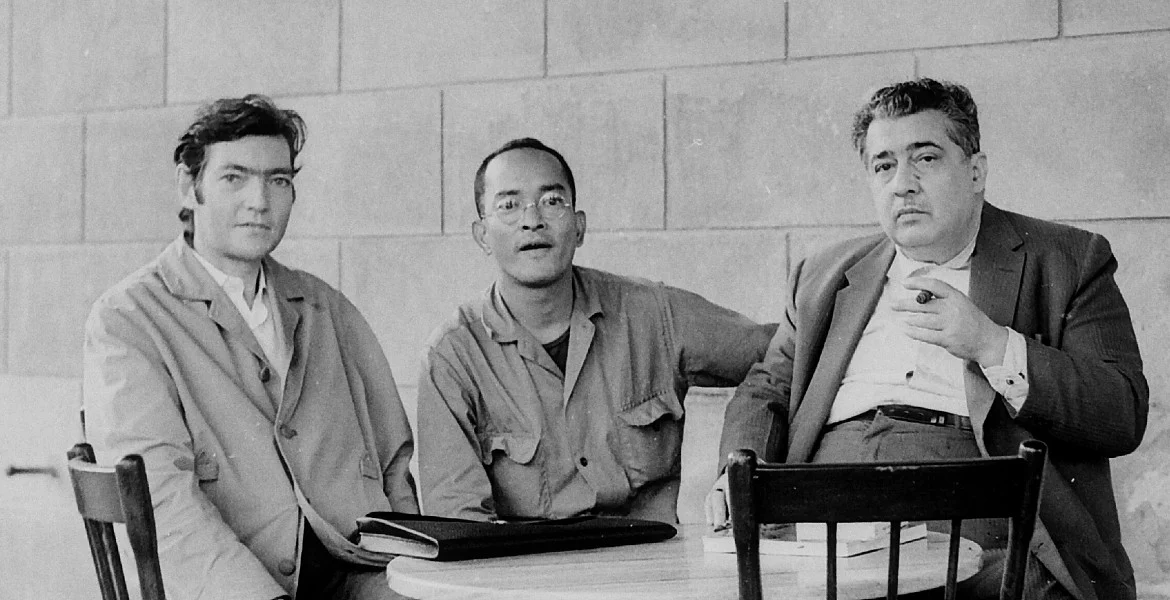
The second project in the IBF Classic category is the Cuban-Brazilian co-production "Vicisitudes de la luz" (Vicissitudes of Light), directed by Marcel Beltrán. Beltrán, known for his previous works "La música de las esferas" and "La opción cero," continues his exploration of memory and artistic legacy. Produced by the director himself alongside Paula Gastaud for Mediocielo Films, the documentary serves as a poetic tribute to Chinolope, the legendary photographer who documented the intellectual and literary vanguard of Latin America. The film seeks to capture the soul of figures like Julio Cortázar and José Lezama Lima through the lens of the man who immortalized them. This project was notably selected for the Berlinale Talents Lab in 2026, signaling high expectations for its eventual release.
The third selection is the Guatemalan documentary "Torre de papel" (Paper Tower), directed and produced by Laura García Cordón. Supported by the Fondo Su Mirada, the film delves into the architectural and metaphorical shadows of the Tower of the Palace of Justice in Guatemala. García Cordón approaches the judicial system not as a mere administrative body, but as a site of theatrical representation where the lives of citizens are dictated by performative legal rituals. The project is unique in its dual selection, as it has also been invited to participate in the IDFA Project Space.
IDFA Project Space: A Creative Hub for Emerging Filmmakers
The IDFA Project Space serves as a creative laboratory designed specifically for first and second-time directors whose works are in the development, production, or editing stages. This year, the lab includes "Torre de papel" alongside three other projects with strong Latin American ties, providing these filmmakers with access to high-level consultancy, editing workshops, and industry networking.
From Brazil, the documentary "Morro Grande," directed by Isabel Joffily and Rita Toledo, has been selected for the rough-cut stage of the lab. Produced by Coevos Filmes, the documentary is set in a rural Brazilian community where the picturesque landscape of vast vineyards is marred by the heavy use of chemical pesticides. The film explores the concept of resistance within this "toxic paradise," offering a chilling vision of a future where environmental degradation and traditional agriculture collide. The inclusion of this project highlights IDFA’s interest in environmental justice and the socio-economic challenges facing rural Latin America.
Peru is represented by "Razón de ver" (Reason to See), the feature-length debut of Silvana Alarcón Sánchez. Alarcón Sánchez is no stranger to Amsterdam, having previously screened her short film "Querido mío" at the festival. Produced by the director and Carolina Denegri via Celuloide Producciones, "Razón de ver" is a sensory exploration of visual impairment. The film follows three women living with the same ocular disease, documenting their journey to find new ways of "seeing" and experiencing the world beyond physical sight.
Rounding out the regional participation is the United States-Colombia co-production "El tiempo anda suelto" (Time is Loose), directed and produced by Claudia A. Escolar. This hybrid documentary utilizes a non-linear narrative to connect three generations of women. Central to the story is the voice of a grandmother speaking from the "afterlife," weaving together themes of migration, loss, and the cyclical nature of time. Escolar’s work represents a growing trend in Latin American cinema that blends traditional documentary techniques with experimental and magical realist elements.
Chronology of the Selection and Development Cycle
The path to IDFA is often a multi-year journey for documentary filmmakers. The selection process for the Bertha Fund and Project Space typically follows a rigorous cycle:
- Call for Entries: IDFA opens applications for the IBF Classic and Project Space during the first quarter of the year.
- Pre-Selection and Evaluation: A committee of international experts reviews hundreds of submissions, focusing on artistic quality, social relevance, and the feasibility of the project.
- Announcement of Grantees: The selections are announced mid-year, allowing filmmakers to begin their specialized programs or utilize funding for production.
- Summer Lab Sessions: Project Space participants engage in intensive workshops during the summer months, often in Amsterdam or through virtual platforms.
- Market Presence: Selected projects are often presented at the IDFA Forum in November, where they seek further co-production partners and distributors.
This chronology demonstrates that the current selections are the result of years of grassroots filmmaking and previous support from regional festivals like IFF Panama and Conecta Chile, which act as vital feeders for European markets.
Supporting Data and the Impact of the IDFA Bertha Fund
The IDFA Bertha Fund remains one of the most influential financial engines for independent documentary filmmaking. Since its inception in 1998, the fund has supported over 600 projects. Statistics from previous years indicate that approximately 70% of IBF-supported films successfully reach completion and find distribution in international film festivals.
The financial contribution for development projects typically ranges from €5,000 to €7,000, while production and post-production grants can reach up to €25,000. While these amounts may seem modest compared to commercial cinema budgets, in the context of Latin American independent film, they often represent the "seed money" required to leverage further national subsidies or private investments.
Furthermore, the "IDFA stamp" provides a level of prestige that significantly increases a film’s chances of being selected for top-tier festivals such as Sundance, Berlin, or Cannes. For instance, the Oscar-nominated Brazilian documentary "The Edge of Democracy" (2019) benefited from the visibility and networking opportunities afforded by the IDFA ecosystem.
Official Responses and Industry Implications
While formal statements from the individual filmmakers are often reserved for the festival’s opening, industry analysts suggest that this year’s heavy Latin American presence reflects a broader shift toward "author-driven" documentaries that prioritize personal narrative over traditional reportage.
Experts in the field note that the selection of projects like "Yo también quiero renunciar" and "Morro Grande" indicates a continued interest in films that bridge the gap between activism and art. "The Bertha Fund has always prioritized films that have a clear social urgency but are told through a unique, personal lens," says a documentary consultant familiar with the selection process. "Latin America is currently a powerhouse for this kind of storytelling because the political and environmental stakes in the region are so high."
The selection also highlights the importance of international co-productions. With projects involving partners from Brazil, Cuba, Colombia, and the United States, it is evident that Latin American filmmakers are increasingly looking outward to secure the resources necessary to tell their stories. This collaborative model not only provides financial stability but also ensures that the films have a built-in audience across multiple territories.
Broader Impact on the Global Documentary Landscape
The inclusion of these six projects in IDFA’s 2024 programs is a testament to the resilience of the Latin American film industry, which often faces fluctuating government support and economic instability. By providing a platform in Amsterdam, IDFA helps to democratize the documentary field, ensuring that the global narrative is not dominated solely by Western perspectives.
As these projects move from the development and lab stages toward completion, they will likely become central fixtures in the 2025 and 2026 festival circuits. The focus on themes such as judicial corruption, environmental resistance, sensory perception, and historical memory ensures that these films will resonate with international audiences, fostering a deeper understanding of the complexities of life in Latin America today.
The International Documentary Film Festival Amsterdam continues to prove that its role extends far beyond a ten-day event in November; through the Bertha Fund and Project Space, it acts as a year-round incubator for the world’s most vital and courageous non-fiction cinema. For the selected Latin American filmmakers, the journey to Amsterdam is not just about a screening—it is about securing the future of their stories on the global stage.

0 Comments