
 Pevita Pearce
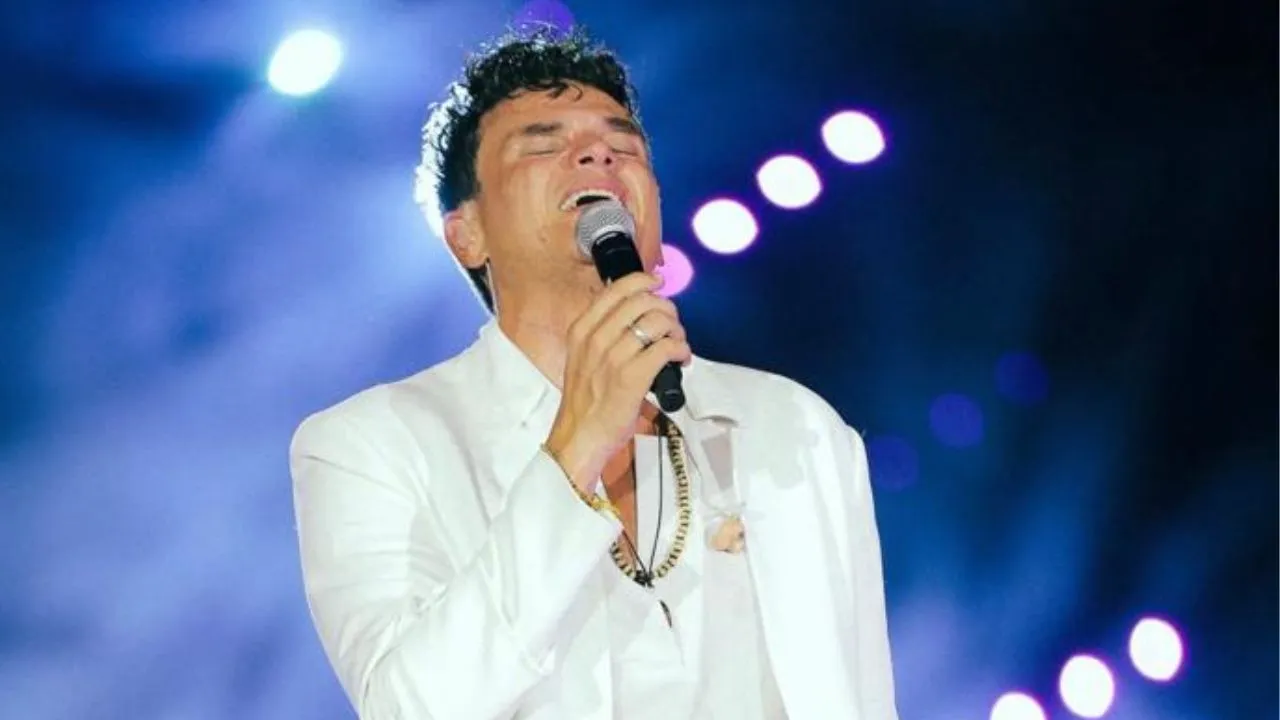
The Colombian Prosecutor’s Office has taken a significant step in its ongoing investigation into alleged links between assets owned by popular Colombian singer Carlos Alberto Sánchez Ramírez, known artistically as Charlie Zaa, and illicit funds from the now-dismantled Bloque Tolima of the Autodefensas Unidas de Colombia (AUC). Four of the artist’s properties, collectively valued at more than 45.4 billion Colombian pesos (approximately $11.5 million USD based on current exchange rates), have been officially seized as part of a precautionary measure. This judicial action, ordered by the Justice and Peace Chamber of the Superior Court of Bogotá, aims to secure these assets while the investigation delves deeper into their origin and potential connection to paramilitary financing activities that plagued Colombia for decades.
The seized properties include a shopping center, a hotel, and two discotheques, strategically located in the cities of Girardot (Cundinamarca department) and Ibagué (Tolima department). These locations are significant, as the Tolima region was a known operational area for the Bloque Tolima of the AUC. The seizure operations were carried out by agents of the Technical Investigation Corps (CTI), the investigative arm of the Prosecutor’s Office. Following the completion of necessary legal procedures, these properties are slated to be transferred to the Fondo para la Reparación de las Víctimas (Fund for the Reparation of Victims), a governmental entity dedicated to providing compensation and support to individuals and communities affected by the armed conflict in Colombia.
Deepening Investigation into Asset Origins
The Prosecutor’s Office has asserted that its extensive inquiries have uncovered compelling evidence suggesting a potential nexus between these valuable real estate holdings and financial resources that originated from the Bloque Tolima. This paramilitary group was active during a tumultuous period in Colombia’s history, primarily from the late 1990s through the mid-2000s, and was notorious for its involvement in widespread human rights abuses, drug trafficking, and extortion.
According to the prosecution’s hypothesis, Diego José Martínez Goyeneche, identified by the alias "Daniel" and alleged to have been a high-ranking leader within the Bloque Tolima, may have utilized a network of intermediaries and front individuals to launder and invest illicit funds. The strategy, as outlined by investigators, was to obscure the illegal origins of this money by channeling it into tangible assets like real estate. This alleged scheme would have served the dual purpose of personal enrichment and preventing the eventual recovery and redistribution of these funds to the victims of the armed conflict, a key objective of the Justice and Peace process in Colombia.
To substantiate this intricate financial web, the Prosecutor’s Office has reportedly conducted a rigorous series of investigative actions. These include detailed judicial inspections of financial records, in-depth financial and registry analyses, specialized accounting audits, and the meticulous collection of witness testimonies. The cumulative findings from these efforts, according to official statements, have enabled investigators to reconstruct the traceable flow of these assets, identifying potential points of diversion from illegal paramilitary operations to legitimate-seeming investments.
Legal Recourse and Precedent
It is crucial to note that the current seizure order represents a preliminary ruling, a first-instance decision. As such, all parties involved, including Charlie Zaa and his legal representatives, retain the right to appeal this decision. Colombian legal frameworks allow for further judicial review, providing avenues for defense and the presentation of counter-evidence.
The Prosecutor’s Office confirmed this by stating, "The precautionary measures correspond to a first-instance decision, so the parties involved may file the remedies provided by law." This means the legal battle over these assets is far from over and could see further proceedings in higher courts.
Timeline of Legal Actions
This recent seizure is not an isolated event but rather the latest development in a protracted legal process. The investigation into Charlie Zaa’s assets and their alleged paramilitary connections has been unfolding over several years.
-
March 2025: A magistrate with guarantee control functions within the Justice and Peace Chamber of the Superior Court of Bogotá initially ordered precautionary measures over five properties. This included the prominent shopping center "El Oasis," commercial establishments in Girardot and Ibagué, and two rural estates located in Melgar and Girardot. This initial action signaled the growing concern of judicial authorities regarding the origin of these assets.
-
July 2025: Building on the previous findings, the Prosecutor’s Office formally requested further legal actions, specifically requesting embargoes, seizures, and the suspension of disposal power over these identified assets. This request was based on the escalating evidence of alleged links to paramilitary funds.
-
July 2026 (Current Ruling): The Justice and Peace Chamber of the Superior Court of Bogotá, acting on the Prosecutor’s Office’s request, issued the order to seize four of these properties, solidifying the precautionary measure and emphasizing the gravity of the ongoing investigation. The value of these four seized assets, exceeding 45.4 billion Colombian pesos, underscores the scale of the assets under scrutiny.
Charlie Zaa’s Defense and Counter-Narrative
Throughout this legal ordeal, Charlie Zaa has consistently maintained his innocence and has publicly stated his commitment to cooperating with the authorities. In response to earlier legal actions, the artist issued a statement asserting his dedication to proving the legitimate origin of his wealth: "I am, as always, in full disposition to cooperate with the authorities and provide all necessary evidence to demonstrate my innocence. (…) Everything I have is the fruit of honest and constant work."
His legal team has also provided explanations regarding the acquisition of some of these properties. Specifically, regarding the shopping center "El Oasis," Charlie Zaa’s defense has claimed that the land was acquired in his father’s name, financed by royalties earned from his successful music career, particularly during his time with the record label Sonolux. Furthermore, he has stated that he is the sole owner of the property, with the exception of two commercial spaces that were reportedly used as part of a payment for a residence in Lagos del Peñón.
However, these assertions have been met with skepticism by the Prosecutor’s Office, which has previously highlighted significant inconsistencies concerning the construction of "El Oasis." Investigators pointed to a lack of essential architectural and structural blueprints, the absence of a horizontal property regulation necessary for the subdivision of the property, and a general dearth of financial records detailing the construction costs and expenditures. These omissions, according to the prosecution, raise red flags about the transparency and legitimacy of the development process.
Broader Implications and Context of the Justice and Peace Process
The ongoing investigation and seizure of assets linked to Charlie Zaa are emblematic of a broader national effort in Colombia to dismantle illicit financial networks that fueled paramilitary groups and other illegal armed organizations. The Justice and Peace Law (Law 975 of 2005) was enacted to facilitate the demobilization of these groups by offering reduced sentences in exchange for confessions, truth-telling, and the restitution of assets acquired through criminal activities.
The AUC, once one of the most powerful and brutal paramilitary organizations in Colombia, officially declared its demobilization in 2006. However, the repercussions of their illicit activities continue to surface as investigations probe the financial underpinnings of these groups. The recovery of assets is a critical component of transitional justice, aiming to provide a measure of redress to victims and disrupt the economic incentives for organized crime and armed conflict.
The value of the seized properties—over 45.4 billion Colombian pesos—is substantial. If definitively linked to paramilitary funds and ultimately transferred to the victims’ reparation fund, it would represent a significant contribution to supporting those who have suffered the most during decades of conflict. This case underscores the complex interplay between the entertainment industry, legitimate business ventures, and the pervasive influence of illicit economies in Colombia’s recent past.
The Prosecutor’s Office continues its meticulous work, sifting through financial trails and legal documentation to ascertain the definitive legal status of these assets. The outcome of this investigation will not only impact Charlie Zaa’s personal and professional life but also contribute to the ongoing efforts to achieve justice and reparations for victims of Colombia’s internal armed conflict. The public awaits further developments as the legal process unfolds, with the potential for appeals and further revelations in this high-profile case.


 Eva Lovia
 Julia Chirkova
 Julia Prastini
 Nila Kartika Wati
 Lina Irawan
 Jia Lissa