
 Raisa Andriana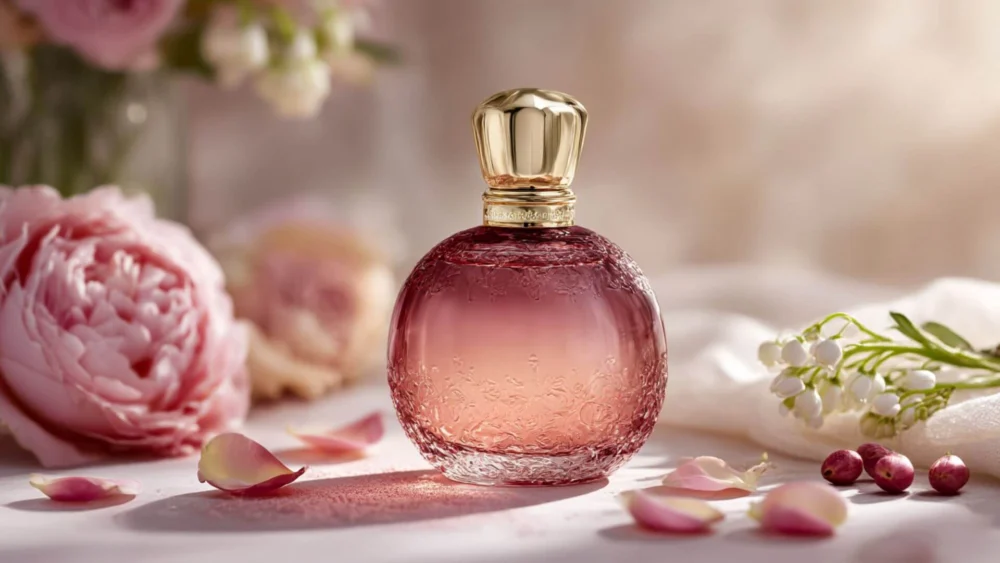
As the global transition toward the spring season of 2026 begins, the international fragrance industry is witnessing a significant shift in consumer preferences, moving away from the dense, resinous accords of winter toward lighter, more ethereal compositions. According to the National Astronomical Observatory, the official start of spring is set for March 20 at 15:46, a moment that traditionally triggers a massive rotation in the retail beauty sector. Despite the recent arrival of Storm Regina, which brought a brief return to cooler temperatures across Western Europe, market data suggests that consumers are already prioritizing fragrances that evoke the brightness and renewal of the upcoming season. Central to this seasonal pivot is the resurgence of the "powdery-fruity" olfactory profile, a category currently exemplified by the sustained popularity of Ariana Grande’s God Is A Woman and the emergence of high-end niche alternatives such as Creed’s Eladaria.

The Composition of Modern Spring Fragrances
The architecture of a successful spring fragrance in 2026 relies on a delicate balance between "aquatic lightness" and "cosmetic sophistication." Industry analysts note that the modern consumer seeks a "24/7" versatility—a scent that functions as effectively in a professional environment as it does during outdoor leisure activities. This demand has led perfumers to revisit ingredients that offer transparency without sacrificing longevity.
In the case of God Is A Woman, a fragrance originally launched in 2021 that has seen a massive resurgence in the 2026 trend cycle, the olfactory pyramid is led by a top note of juicy pear. Unlike the synthetic, overly sweet fruit notes of the early 2000s, the current trend utilizes pear to provide a watery, crisp opening that mimics the sensation of freshly cut fruit. This is paired with ambrette (musk mallow), a plant-derived musk that offers a sweet, nutty, and slightly metallic undertone. Jérôme Epinette, the master perfumer behind the composition, intentionally structured these top notes to avoid the "cloying" pitfalls of traditional gourmand fragrances, opting instead for a vegetal sweetness that feels "airy" and "clean."

The heart of these trending fragrances typically centers on orris root (the rhizome of the iris flower) and Turkish rose. Orris root is one of the most expensive ingredients in perfumery, valued for its ability to provide a "powdery" or "talc-like" texture that reminds consumers of luxury cosmetics and fine linens. This "powdery" facet is the defining characteristic of the Spring 2026 aesthetic, providing a sense of sophisticated "quiet luxury" that aligns with broader fashion trends.
A Chronology of the Powdery Scent Trend
To understand the current dominance of these scents, one must look at the timeline of olfactory evolution over the last five years.

- 2021-2022: The Post-Pandemic Freshness. As lockdowns ended, there was an initial surge in "clean" scents—fragrances that smelled like soap and laundry. This was a psychological response to a heightened desire for hygiene and safety.
- 2023-2024: The Rise of Celebrity Prestige. The market saw a shift where celebrity-backed fragrances began to compete directly with designer brands. Ariana Grande’s fragrance line, managed by LUXE Brands, transitioned from "teen-centric" to "prestige-leaning," winning multiple Fragrance Foundation awards.
- 2025: The Year of the "Skin Scent." The industry became obsessed with "your skin but better" fragrances, utilizing heavy doses of Ambroxan and Iso E Super.
- Spring 2026: The Hybridization of Fruit and Powder. We have now entered a phase where the transparency of "skin scents" is being combined with the elegance of powdery florals and the vibrancy of realistic fruit notes. This hybridization allows for a fragrance that is both approachable and high-fashion.
Market Analysis: The Shift Toward Celebrity Prestige
The commercial success of fragrances like God Is A Woman at a price point of approximately 53.53 euros represents a significant disruption in the luxury market. Historically, "celebrity scents" were relegated to the mass market or "drugstore" category. However, by employing world-class perfumers like Jérôme Epinette—who is also the nose behind many scents for the niche house Byredo—these brands have bridged the gap between affordability and artistic merit.
Consumer feedback on platforms such as Fragrantica underscores this shift. Users frequently describe these compositions as "fruity-woody masterpieces" with "extraordinary longevity," comparing them favorably to fragrances that cost triple the price. The inclusion of high-quality Madagascar vanilla in the base notes provides a creamy, refined sweetness that lacks the synthetic harshness found in lower-tier products. This use of "sustainably sourced" or "natural-origin" ingredients has become a mandatory requirement for brand loyalty among Gen Z and Millennial demographics in 2026.

Comparative Perspectives: Niche vs. Mass-Market Luxury
While the mass-prestige market is dominated by accessible brands, the niche sector is offering its own interpretation of the powdery spring trend. Creed’s Eladaria, priced at 165 euros, serves as the luxury benchmark for this olfactory direction.
Eladaria follows a similar logic to the powdery-fruity trend but adds layers of complexity intended for the connoisseur. It opens with pink pepper and citrus—specifically bergamot and mandarin—to provide a sharp, spicy "spark" that distinguishes it from the softer openings of mass-market scents. The heart utilizes lily of the valley and peony to create a "watery floral" effect, while the base relies on a sophisticated blend of ambroxan and cashmere wood.

The comparison between these two tiers of perfumery reveals a universal truth for the 2026 season: regardless of price point, the goal is "textural" fragrance. Whether it is the "textile" sensation of cashmere wood in Creed or the "cosmetic powder" sensation of orris in Ariana Grande, the industry is moving away from "smelling like a flower" toward "smelling like a feeling or a texture."
The Role of Sustainability and Botanical Sourcing
A critical factor influencing the 2026 fragrance landscape is the ethics of ingredient sourcing. The Madagascar vanilla found in the base of many trending spring perfumes is now subject to strict fair-trade regulations. As of 2026, the European Union has implemented more stringent "Green Claim" directives, forcing perfume houses to provide transparency regarding their supply chains.

The use of sandalwood and orris root also faces sustainability challenges. Orris root requires three to five years of aging before it can be processed into "iris butter," making it a high-risk, high-reward investment for fragrance houses. The resurgence of these notes indicates a market that is willing to invest in long-term botanical heritage rather than fleeting chemical fads.
Broader Implications for the Global Beauty Industry
The shift toward powdery, fruity, and aquatic scents for Spring 2026 is more than a simple change in seasonal preference; it reflects a broader cultural desire for "optimistic elegance." After a period of global economic volatility and the "darker" olfactory trends of 2025 (which favored "smoky" and "oud-heavy" profiles), the current preference for pear, rose, and vanilla suggests a collective move toward comfort and light.

Furthermore, the "unisex" or "gender-neutral" appeal of these scents is expanding. While the original marketing for fragrances like God Is A Woman or Eladaria may lean toward a feminine audience, the inclusion of sandalwood, ambrette, and mineral notes like ambroxan has attracted a significant male and non-binary consumer base. The industry is responding by moving toward more minimalist, architectural bottle designs that focus on the "juice" rather than gendered marketing tropes.
Conclusion and Future Outlook
As we approach the astronomical start of spring on March 20, the fragrance industry stands at a crossroads of tradition and innovation. The dominance of powdery-fruity scents represents a sophisticated evolution of the "clean" trend, offering consumers a way to feel polished and "expensive" without the heaviness of traditional perfumes.

With price points ranging from the accessible 50-euro range to niche offerings exceeding 160 euros, the "scent of Spring 2026" is defined by its accessibility and its emotional resonance. Whether it is the racy, juicy opening of a pear note or the dry, elegant finish of a root-derived powder, these fragrances are designed to linger in the air like a "spring breeze on a park afternoon." As the thermometer rises, the industry expects these "24/7" fragrances to dominate retail sales through the summer solstice, marking a definitive era in the history of modern perfumery.



 Eva Lovia
 Julia Chirkova
 Julia Prastini
 Nila Kartika Wati
 Jia Lissa
 admin
admin