
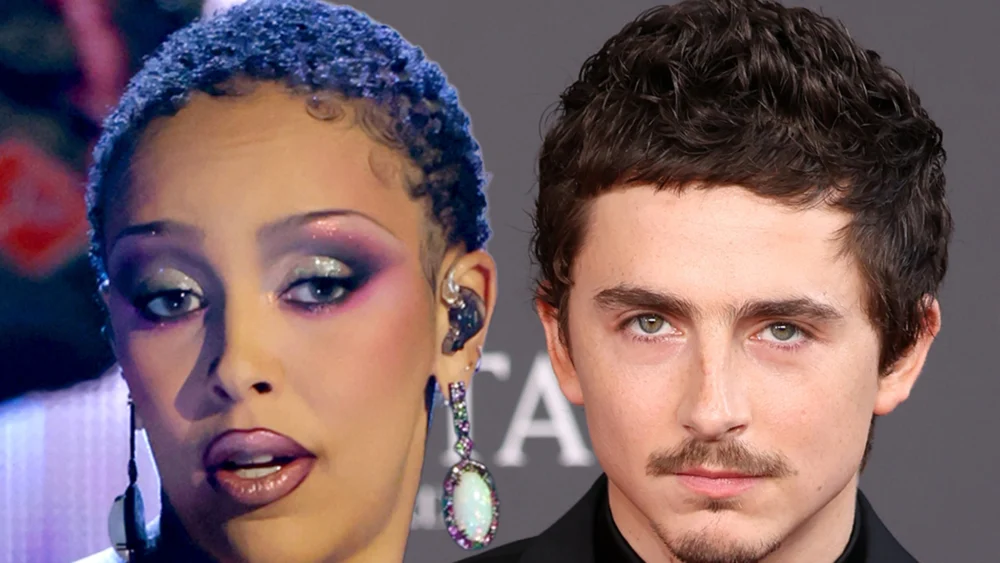
Global music sensation Doja Cat has joined a growing chorus of critics challenging actor Timothée Chalamet’s recent controversial remarks regarding the relevance of opera and ballet. The Grammy-winning artist took to TikTok on Sunday, March 9, 2026, to deliver a passionate defense of the centuries-old art forms, directly refuting Chalamet’s assertion that "no one cares about [opera or ballet] anymore." Her intervention marks a significant moment in the unfolding cultural debate, bringing the discussion to a vast, digitally native audience and highlighting the enduring appeal and dedicated viewership of these traditional performing arts.
The Genesis of the Controversy: Chalamet’s Remarks
The controversy ignited on February 21, 2026, during a CNN-Variety town hall held in Austin, Texas. Titled "The Future of Film," the event featured Timothée Chalamet alongside acclaimed actor Matthew McConaughey, among other industry figures, discussing the evolving landscape of cinema. During a segment exploring the challenges and potential decline of traditional theatrical experiences in the digital age, Chalamet drew a comparison that sparked widespread backlash. He stated he wouldn’t want to work in opera or ballet "simply to keep the art forms alive," adding the provocative claim that "no one cares about [opera or ballet] anymore."
Chalamet’s comments, delivered as part of a broader discussion on the need for innovation in the film industry, were immediately seized upon by various media outlets and cultural commentators. While his intention might have been to emphasize the urgency for cinema to adapt, his dismissal of opera and ballet as irrelevant struck a nerve within the performing arts community and beyond. Critics swiftly pointed out the perceived ignorance in his statement, arguing that it overlooked the vibrant, global audiences and dedicated professionals who sustain these intricate art forms. The remarks were seen by many as a casual yet damaging generalization from a prominent figure whose influence could inadvertently perpetuate misconceptions about classical arts.
Doja Cat Enters the Fray: A Digital Defense
Responding with characteristic directness and leveraging her massive digital platform, Doja Cat posted a TikTok video addressing the issue head-on. Opening her video by highlighting the immense historical lineage of opera (approximately 400 years old) and ballet (around 500 years old), she underscored their profound cultural endurance. With a deliberate, if playfully mispronounced, mention of Chalamet’s name, she expressed disbelief that he "had the nerve" to suggest a lack of public interest in these venerable traditions.

Doja Cat’s defense was multifaceted and passionately articulated. She challenged the notion of declining interest by asserting that if one were to attend an opera house today, it would likely be "completely packed." She further elaborated on the profound respect audiences typically demonstrate during such performances, sitting in attentive silence, a testament to the beauty and gravitas of the genre. Her argument went beyond mere attendance figures, delving into the immense physical and emotional investment required from performers. She spoke of the "intense pain and suffering" endured by dancers and vocalists, emphasizing that this dedication stems from an unwavering love for their craft, not a lack of public appreciation.
Acknowledging that the traditional arts industry may indeed be navigating a "tough period"—a reference to contemporary challenges such as funding, audience development, and digital competition—Doja Cat vehemently separated these operational difficulties from a fundamental lack of public care or interest. Her intervention is particularly impactful given her status as a global pop culture icon, bridging the gap between mainstream entertainment and a passionate defense of classical arts. Her use of TikTok, a platform predominantly popular with younger demographics, ensures her message reaches an audience that might otherwise be less exposed to discussions surrounding opera and ballet, potentially challenging preconceived notions about their relevance.
A Chorus of Criticism: Institutional Responses
Doja Cat’s spirited defense is part of a broader backlash from the established performing arts world. Days before her TikTok, leading institutions globally began to "fire back" at Chalamet’s comments, illustrating the deep offense taken by his remarks. The Metropolitan Opera, one of the world’s foremost opera companies, was among the first and most prominent to respond. On March 7, 2026, the Met posted a pointed video on its social media channels showcasing the meticulous preparations for a performance, featuring stagehands, musicians, and singers in various stages of rehearsal and setup. The video was accompanied by the unambiguous caption, "This one’s for you, Timothée Chalamet," a clear and public rebuke designed to highlight the immense effort, passion, and collaborative artistry involved in bringing opera to life.
Other major ballet companies and opera houses around the world, while perhaps not issuing direct personal challenges, echoed sentiments of dismay and a renewed commitment to promoting their art forms. The American Ballet Theatre, the Royal Opera House, and the Paris Opéra Ballet, among others, saw their social media feeds and public statements reflect a subtle but firm pushback. Many posts highlighted sold-out performances, ongoing educational initiatives, and the vibrant, diverse audiences they continue to attract. Arts advocacy groups and cultural critics also weighed in, condemning Chalamet’s remarks as uninformed and potentially harmful to an industry that already battles stereotypes of elitism and dwindling appeal. These responses collectively underscored the message that far from being obsolete, opera and ballet are living, evolving art forms sustained by dedicated artists, passionate audiences, and robust institutions committed to their future.
The Enduring Allure: Why Opera and Ballet Still Matter

Doja Cat’s impassioned argument that people "do care" about opera and ballet is supported by a wealth of evidence demonstrating the enduring cultural, economic, and artistic significance of these art forms. Historically, opera and ballet emerged from the royal courts of Europe, evolving into sophisticated expressions of human emotion, storytelling, and physical prowess. Their narratives often tackle universal themes of love, loss, power, and destiny, making them timeless and resonant across generations.
In the contemporary landscape, far from being relics of the past, opera and ballet continue to attract substantial audiences globally. While specific attendance figures can fluctuate, major companies consistently report high occupancy rates for their mainstage productions, particularly for popular works and acclaimed new productions. For instance, pre-pandemic data often showed leading opera houses like the Met Opera attracting hundreds of thousands of attendees annually, with ballet companies like the New York City Ballet drawing similar crowds. Post-pandemic recovery has seen a strong return to live performances, with many institutions reporting renewed enthusiasm.
Furthermore, efforts to diversify and expand audiences are ongoing. Many companies actively engage in outreach programs, offering discounted tickets for students, community performances, and educational initiatives aimed at introducing younger and more diverse demographics to these art forms. The accessibility of digital platforms has also broadened their reach, with live-streamed performances and archival footage allowing global audiences to experience opera and ballet from anywhere.
The artistry involved in opera and ballet is also unparalleled. Opera singers undergo years of intensive vocal training to master techniques that allow them to project unamplified voices over a full orchestra in vast halls. Ballet dancers dedicate their lives to rigorous physical discipline, developing strength, grace, and precision that borders on the superhuman. This commitment to excellence and the sheer spectacle of live performance—combining music, drama, movement, and visual design—offers an immersive experience that digital entertainment often struggles to replicate. Beyond their artistic merit, these institutions contribute significantly to local economies, creating jobs for artists, technicians, administrators, and supporting related industries like hospitality and tourism.
Navigating the Modern Landscape: Challenges and Adaptations
It is important to acknowledge that opera and ballet, like many traditional art forms, do face modern challenges. Funding remains a perennial concern, with many companies relying heavily on philanthropic donations, government subsidies, and ticket sales, which can be vulnerable to economic downturns. The perception of opera and ballet as "elitist" or inaccessible to the general public is another hurdle, though many organizations are actively working to dismantle these stereotypes through community engagement and more inclusive programming.

However, these challenges have spurred innovation rather than decline. Opera companies are increasingly commissioning new works that resonate with contemporary audiences, incorporating diverse musical styles and staging techniques. Ballet companies are expanding their repertoires beyond classical works to include modern and contemporary pieces, often collaborating with cutting-edge choreographers and designers. Digital initiatives, such as high-definition live broadcasts to cinemas and streaming services, have become crucial for reaching broader audiences and generating new revenue streams. These adaptations demonstrate a vibrant, forward-looking industry that is far from stagnant or irrelevant, constantly evolving while honoring its rich heritage.
The Broader Implications: Celebrity, Culture, and Conversation
The exchange between Timothée Chalamet and Doja Cat, alongside the reactions from established institutions, highlights several broader implications concerning celebrity influence, cultural discourse, and the public perception of the arts. Chalamet’s initial comments, while perhaps an off-the-cuff remark, underscore the power of celebrity platforms to inadvertently shape public opinion, particularly among younger audiences. His remarks, coming from an actor celebrated for his roles in culturally significant films, could have solidified existing misconceptions about traditional arts being outdated or uninteresting.
Conversely, Doja Cat’s intervention demonstrates the positive potential of celebrity influence. By using her considerable reach to defend opera and ballet, she not only countered a potentially damaging narrative but also shone a spotlight on these art forms for an audience that might not typically engage with them. Her passionate, authentic defense could inspire curiosity and encourage her millions of followers to explore opera and ballet, challenging generational divides in artistic appreciation.
This incident also serves as a potent reminder of the ongoing debate between "high art" and "pop culture." While both spheres offer unique value, there is often a perceived tension between them. Doja Cat, a figure firmly entrenched in popular music, bridging this gap by advocating for classical arts, helps to deconstruct the artificial barriers that sometimes separate these cultural domains. Ultimately, the controversy, despite its initial negative framing, has inadvertently generated a significant amount of media attention and public discussion around opera and ballet. This renewed focus provides an opportunity for arts organizations to further articulate their value, showcase their vibrancy, and engage new audiences, proving that far from being forgotten, these ancient art forms continue to spark conversation, passion, and profound cultural impact.

0 Comments