
 Nila Kartika Wati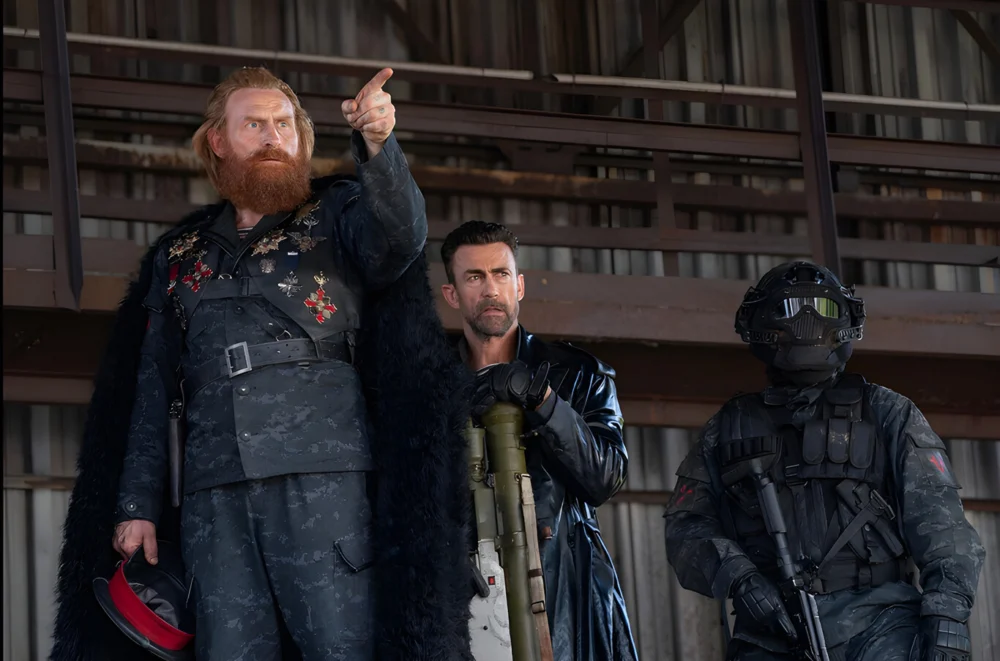
The high-octane action film Afterburn, released in Spanish-speaking markets as Cazadores del fin del mundo, has officially claimed the top spot on Prime Video’s streaming charts, marking a significant commercial turnaround for the production. Starring Dave Bautista and Samuel L. Jackson, the film has resonated with international audiences, particularly in Mexico and Latin America, where it currently holds the number one position among the platform’s most-watched titles. Directed by veteran stunt coordinator turned filmmaker J.J. Perry, the project represents a fusion of high-concept science fiction and visceral, practical-effect-driven action. While the film’s theatrical run was characterized by modest financial returns, its transition to digital distribution has triggered a massive resurgence in viewership, illustrating a growing trend in the industry where specialized genre films find their primary audience within the home ecosystem.
Narrative Architecture and the Post-Apocalyptic Setting
The premise of Afterburn is rooted in a catastrophic astronomical event: a massive solar flare that strikes Earth with the force of a global electromagnetic pulse. This solar eruption effectively erases modern technology, plunging the planet into a neo-medieval state of chaos and lawlessness. The story picks up ten years after this "Great Burn," focusing on a world divided between those struggling to rebuild and those who have descended into predatory tribalism.
Dave Bautista portrays Jake, an elite former soldier who has adapted to the new world as a "treasure hunter"—a mercenary who braves the most dangerous regions of the planet to recover artifacts of the old world for wealthy collectors. The plot is set in motion when Jake is approached by a mysterious and powerful figure named Valentine, played by Samuel L. Jackson. Valentine’s request is as audacious as it is perilous: Jake must lead a team into the "Dead Zone" of Europe—a region heavily irradiated and overrun by mutated factions—to retrieve the Mona Lisa.

The narrative explores the tension between the survivalist’s pragmatic worldview and the intrinsic value of human culture. As Jake navigates ruins that evoke the aesthetic of the Mad Max franchise, the film poses a central question: In a world where food, water, and security are the only meaningful currencies, what is the worth of a masterpiece from a dead civilization?
The Long Journey from Graphic Novel to Screen
The path to bringing Afterburn to fruition was a decade-long endeavor. Based on the Red 5 Comics graphic novel of the same name, created by Scott Chitwood, Paul Ens, and Wayne Nichols, the project was first announced in the early 2010s. For years, the production languished in development hell, with various directors and leads attached to the script. The eventual involvement of J.J. Perry proved to be the catalyst the project needed. Perry, known for his work on Day Shift and his extensive history as a second-unit director on major franchises like John Wick and Fast & Furious, brought a specific "action-first" philosophy to the production.
The production timeline saw several shifts:
- 2012–2018: The project cycled through various production houses, with early interest from stars like Gerard Butler.
- 2023: Principal photography finally commenced, with Dave Bautista and Samuel L. Jackson confirmed as the leads. The production utilized locations across Eastern Europe to simulate the desolate, weathered landscapes of a post-technological world.
- 2025: The film received a limited theatrical release. Despite high expectations from genre enthusiasts, the film struggled at the box office, grossing approximately $1 million globally during its initial run.
- March 2026: Upon its debut on Prime Video, the film experienced an immediate surge in popularity, reaching the Top 1 position in Mexico, parts of Europe, and Latin America within days of its digital premiere.
Cast Dynamics and Directorial Vision
The success of Afterburn is heavily attributed to the chemistry between its two leads. Dave Bautista continues to solidify his reputation as a versatile action lead, moving away from his "Drax" persona in the Marvel Cinematic Universe toward more grounded, gritty roles. His portrayal of Jake is characterized by a weary stoicism, punctuated by the physical intensity required for the film’s elaborate combat sequences.

Samuel L. Jackson’s Valentine provides the necessary narrative gravity and wit. As a character who maintains a semblance of the old world’s sophistication amidst the new world’s brutality, Jackson serves as both the catalyst for the plot and the voice of a civilization that refuses to be forgotten.
Director J.J. Perry’s influence is most visible in the film’s choreography. Eschewing the over-reliance on computer-generated imagery (CGI) that defines many modern blockbusters, Perry opted for practical stunts and intricate hand-to-hand combat. This "visceral immersion" has been cited by viewers as a primary reason for the film’s appeal. By grounding the sci-fi elements in physical reality, the film achieves a sense of stakes that resonates with fans of classic 1980s and 90s action cinema.
Analyzing the Streaming Phenomenon and Market Reception
The disparity between Afterburn’s theatrical performance and its streaming dominance offers a compelling case study of modern media consumption. According to data from FlixPatrol, the film’s ascent to the top of the charts in early 2026 was nearly instantaneous. This phenomenon suggests that while the "popcorn movie" or "adrenalin-fueled" genre may struggle to compete with massive franchise tentpoles in theaters, it remains the preferred choice for home audiences seeking escapism.
Industry analysts point to several factors for this streaming success:
- Star Power: The presence of Bautista and Jackson provides a level of brand recognition that encourages "low-risk" viewing on a subscription platform.
- Genre Demand: There is a consistent, insatiable appetite for post-apocalyptic content, a genre that has seen a resurgence following the success of series like The Last of Us and Fallout.
- Regional Appeal: The film’s themes of survival and its "Mad Max-esque" aesthetic have historically performed exceptionally well in Latin American markets.
Critical reception, however, remains polarized. On platforms like Rotten Tomatoes, technical critics have provided a "tepid" response, often citing the film’s predictable plot beats and "cartoonish" tone—a direct byproduct of its graphic novel origins. Conversely, audience scores remain high, with viewers praising the film for its "honesty." Unlike films that attempt to deconstruct the genre or aim for prestigious awards, Afterburn is unapologetic about its identity as a high-octane entertainment vehicle.
Industry Implications and Future Outlook
The "redemption" of Afterburn on Prime Video highlights a shifting strategy for streaming giants. For Amazon, the acquisition of high-quality, mid-budget action films serves as a vital component of subscriber retention. When a film like Afterburn fails to find its footing in theaters but excels on a platform, it validates the "Direct-to-Streaming" or "Hybrid" release models that have become standard in the post-pandemic era.
Furthermore, the film’s success may pave the way for a sequel or an expanded universe. The original Afterburn comic series contains multiple story arcs that explore different regions of the post-solar flare world. Given the strong performance data in early 2026, industry insiders speculate that Prime Video may look to develop the property into a recurring franchise.
The financial recovery of the production is also noteworthy. While the $1 million theatrical gross was a disappointment, the licensing fees and the value added to the Prime Video ecosystem represent a significant return on investment. The Hollywood Reporter noted that the production company’s ability to secure financing and distribution for such a project, even in a volatile market, demonstrates the resilience of the action genre.

Conclusion: The New Era of Action Entertainment
Afterburn stands as a testament to the enduring power of the "man-on-a-mission" trope, modernized for a contemporary audience. It does not seek to reinvent the wheel of science fiction; instead, it polishes it with high-quality production values and charismatic performances. For Dave Bautista, it is another successful entry in a burgeoning filmography of leading roles. For Samuel L. Jackson, it is a reminder of his status as a cinematic icon who can elevate any project with his presence.
As the film continues to hold its position at the top of the global charts, it serves as a clear indicator of what audiences want from their streaming services: high-stakes action, recognizable stars, and a world that—while bleak—offers a thrilling escape from reality. For subscribers of Prime Video, Afterburn is not just a movie; it is the definitive "popcorn" experience for the digital age, proving that even in a world without internet or technology, a good story can still find its way to the top.




 Eva Lovia
 Julia Chirkova
 Julia Prastini
 Jia Lissa
 admin
admin