
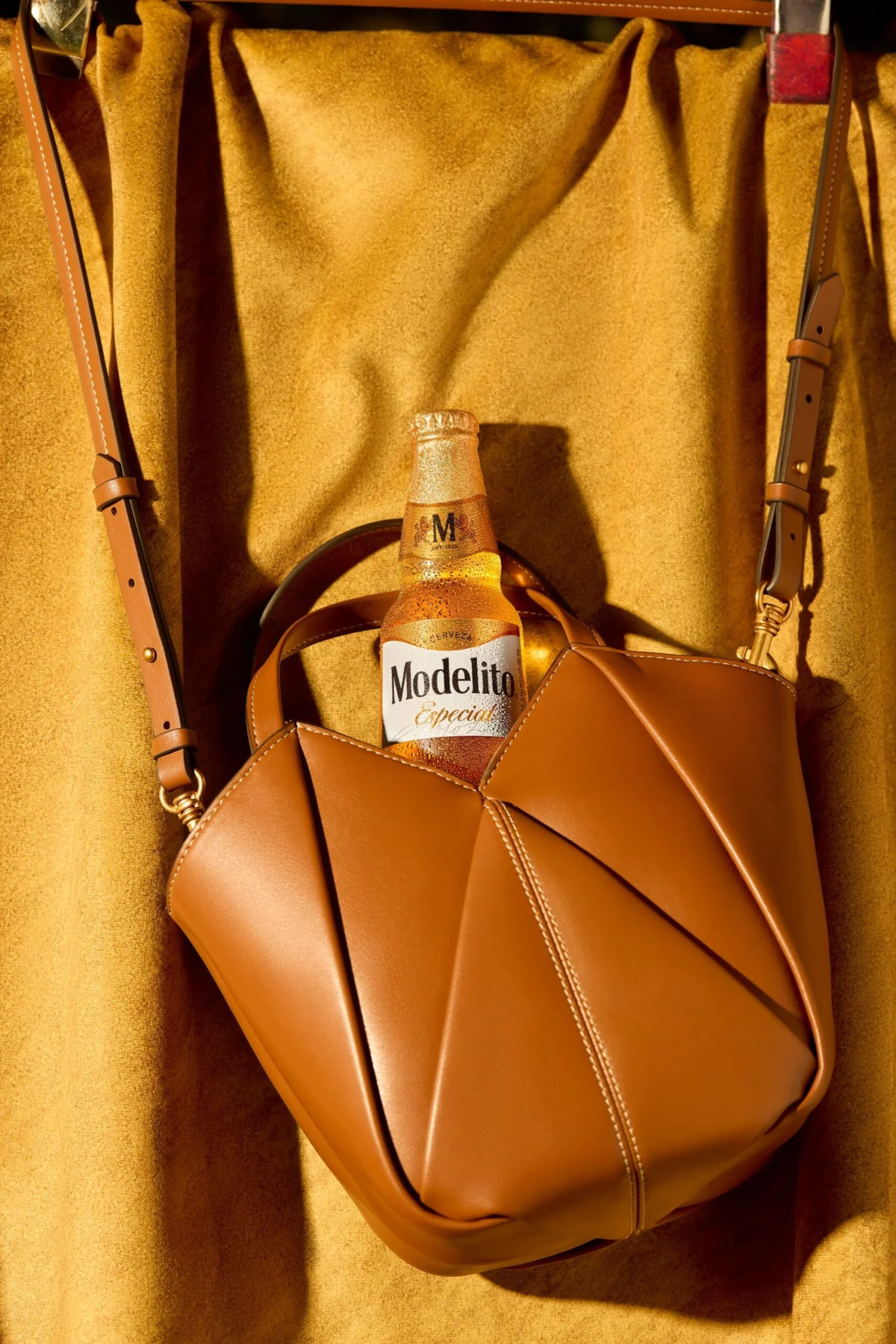
The global consumer landscape is currently witnessing a significant shift toward "miniaturization," a trend where smaller, more compact versions of luxury and everyday items are gaining unprecedented popularity. From high-fashion micro-bags that barely accommodate a smartphone to travel-sized beauty essentials and sophisticated tasting menus in the culinary world, the modern ethos has moved away from the "bigger is better" philosophy. In its place, a new focus on functionality, aesthetic precision, and portion control has emerged. Recognizing this cultural pivot, Cerveza Modelo has officially introduced "Modelito," a 210ml presentation of its flagship Modelo Especial, marking a strategic move to integrate premium beer consumption into the smaller, more spontaneous moments of daily life.
The launch of Modelito represents more than just a reduction in volume; it is a calculated response to evolving social habits and a broader market trend known as "premiumization." By offering a smaller format, Grupo Modelo aims to capture a segment of the market that prioritizes freshness, design, and the ability to enjoy a high-quality beverage without the commitment of a traditional 355ml or 500ml serving. This move aligns the brand with the lifestyle of younger demographics who value experiences that fit seamlessly into a fast-paced, aesthetically-driven world.
The Aesthetic of the Miniature: Design as a Consumer Driver
One of the primary drivers behind the success of the "mini" trend is the visual appeal of scaled-down objects. In the beverage industry, packaging design plays a critical role in brand perception, especially within the premium category. Modelito retains the iconic visual identity of Modelo Especial—the signature gold foil, the elegant labeling, and the distinct bottle shape—but presents it in a compact form that invites curiosity.
Industry analysts note that smaller packaging often creates a "collector’s item" feel, encouraging consumers to interact with the product on social media. The 210ml bottle is designed to be as much a lifestyle accessory as it is a beverage. Whether placed on a curated dinner table or carried in a small cooler for an impromptu gathering, the design speaks to a consumer who appreciates the "details" mentioned in the brand’s marketing narrative. This focus on design functionality ensures that while the size has changed, the brand’s status as a leader in the premium beer sector remains unchallenged.
Strategic Market Positioning and the "Premiumization" Trend
The introduction of Modelito comes at a time when the global beer market is undergoing a period of transition. According to recent market research, while total beer volume consumption has seen fluctuations, the "premium" and "super-premium" segments continue to grow. Consumers are increasingly willing to pay more for higher quality, even if it means consuming less in terms of total volume.

Modelito fits perfectly into this "less but better" framework. The 210ml format serves several functional purposes:
- Temperature Control: In warmer climates, a smaller beer is more likely to remain cold from the first sip to the last, addressing a common consumer pain point regarding larger formats.
- Portion Control: As health and wellness trends continue to influence drinking habits, many consumers prefer smaller servings that allow them to enjoy the flavor of a premium lager without over-indulging.
- Price Accessibility: While still positioned as a premium product, the smaller format allows for a lower entry price point per unit, making the luxury experience of Cerveza Modelo accessible for more frequent, casual occasions.
Historical Context and Brand Evolution
Grupo Modelo, founded in 1925, has a long history of balancing tradition with innovation. Modelo Especial, the brand’s cornerstone pilsner-style lager, has grown to become one of the most recognizable Mexican exports in the world. The brand’s ability to evolve has been a key factor in its longevity.
In the mid-20th century, the company revolutionized the market with its clear bottle and gold foil, setting it apart from the standard brown bottles of the era. The launch of Modelito is seen as the next step in this evolutionary chain. By adapting to the "mini" trend, Modelo is essentially future-proofing its portfolio against changing consumer behaviors. This adaptability is reflected in the brand’s financial and reputational success. Notably, in 2026, Modelo was recognized as the fourth most valuable beer brand in the world according to the Kantar BrandZ ranking. This accolade highlights the brand’s immense global equity and its ability to compete at the highest levels of the international beverage industry.
Official Perspectives: Redefining the "Celebration"
The leadership at Grupo Modelo views Modelito as a tool to bridge the gap between "special occasions" and "everyday moments." Rodolfo Vargas, Director of Premium Brands at Grupo Modelo, emphasized that the company’s strategy is rooted in a deep understanding of modern consumer psychology.
"In Modelo, we believe that the best moments are not always the biggest," Vargas stated during the product’s rollout. "With Modelito, we seek to remind consumers that every pause can become an extraordinary experience when accompanied by the quality that characterizes the brand. At Grupo Modelo, we understand that consumer preferences evolve constantly, which is why we continue to expand our portfolio with innovations that respond to new consumption occasions, always maintaining the standard of quality and character that distinguish our premium brands."
Vargas’s comments reflect a broader shift in the alcohol industry toward "occasion-based marketing." Rather than focusing solely on large-scale events like parties or sporting matches, brands are now targeting the "micro-moments"—the 20-minute break after work, the spontaneous visit from a neighbor, or the quiet afternoon spent on a balcony.

Consumer Demographics and Social Shifts
The "Modelito" launch is particularly resonant with Gen Z and Millennial consumers, who have demonstrated a preference for spontaneity over rigid planning. For these generations, the concept of "luxury" has been redefined. It is no longer about excess or opulence; it is about the ability to choose products that reflect their personal values and aesthetic preferences.
Social media has also played a pivotal role in the rise of the mini format. Platforms like Instagram and TikTok thrive on visually appealing, "Instagrammable" products. The Modelito bottle, with its miniature proportions, fits the "aesthetic" requirements of modern digital storytelling. It is a product designed to be seen, shared, and integrated into the digital personas of its drinkers.
Chronology of Innovation at Grupo Modelo
To understand the significance of Modelito, one must look at the timeline of Grupo Modelo’s recent innovations:
- 2010s: Expansion of the Modelo Chelada line, catering to the growing demand for prepared beer cocktails and diverse flavor profiles.
- Early 2020s: Increased focus on sustainability, including the reduction of plastic in packaging and the implementation of water-saving technologies in breweries.
- 2024-2025: Aggressive international expansion, solidifying Modelo Especial’s position as a top-selling imported beer in markets like the United States.
- 2026: Achieving the #4 spot on the Kantar global valuation list, followed by the launch of the Modelito format to capture the burgeoning "mini" market trend.
This timeline demonstrates a consistent pattern of identifying market gaps and filling them with high-quality, brand-consistent products.
Economic Implications and Retail Strategy
From a retail perspective, the 210ml format offers significant advantages. For retailers like Walmart and specialized liquor stores, the "Modelito" 24-pack or smaller 6-packs provide a versatile inventory option. The smaller size allows for more efficient use of shelf space and refrigeration units.
Furthermore, the introduction of a 210ml bottle allows Grupo Modelo to navigate different tax and regulatory environments more effectively. In some regions, alcohol taxes are calculated based on volume; a smaller format can help maintain a competitive price point while preserving the premium margins necessary for the brand’s business model.

Broader Impact on the Beverage Industry
The success of Modelito is likely to trigger a "ripple effect" across the beverage industry. Competitors in the premium lager and craft beer sectors may feel pressured to introduce their own "short" or "mini" formats to compete for the same spontaneous consumption occasions. We have already seen similar moves in the soft drink industry, where "mini cans" have become a staple for brands like Coca-Cola and Pepsi, driven by health-conscious consumers looking to reduce sugar intake.
In the beer world, this shift could lead to a broader diversification of bottle sizes, moving away from the standard 12oz (355ml) industry norm. As consumers demand more choice, the "one size fits all" approach to beverage packaging is rapidly becoming obsolete.
Conclusion: The Future of the "Small" Experience
Cerveza Modelo’s Modelito is more than a novelty; it is a reflection of a world that is learning to appreciate the value of the small, the precise, and the spontaneous. By shrinking the bottle but keeping the essence of the beer intact, Grupo Modelo has successfully navigated the intersection of tradition and trend.
As the brand continues to hold its position as a global leader in the premium category, the Modelito serves as a reminder that the most memorable stories often start with the smallest gestures. Whether it is a conversation that lasts longer than expected or an impromptu toast to a minor achievement, the 210ml format provides a new way to celebrate the everyday. In the evolving landscape of 2026 and beyond, it appears that the future of luxury may very well be measured in smaller, more meaningful increments.

0 Comments