
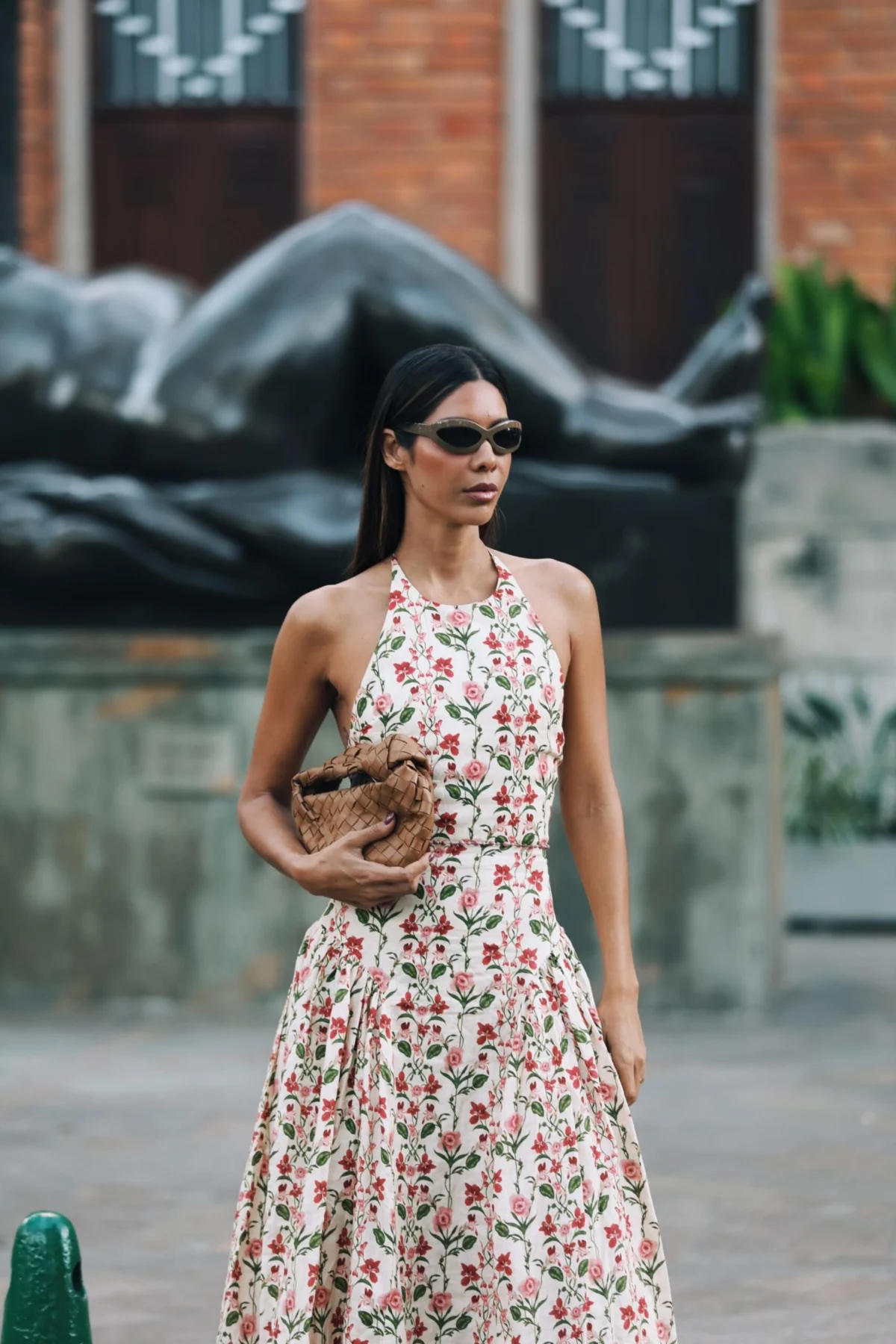
The 2026 edition of Colombiamoda, South America’s most significant fashion and textile exhibition, has officially commenced in Medellín, signaling a transformative era for the regional industry. This year, the event has expanded its traditional scope, beginning a weekend earlier than usual and running from July 25 to July 30. Organized by Inexmoda, the fair serves not only as a runway showcase but as a critical commercial hub that connects Colombian designers with international markets. The 2026 iteration is characterized by a sophisticated blend of high-fashion artistry, street-level commercial viability, and high-profile collaborations that bridge the gap between music, automotive industries, and traditional craftsmanship.
The Inaugural Vision: Manuela Álvarez and the Intersection of Art and Craft
The official opening of Colombiamoda 2026 was marked by the highly anticipated return of Manuela Álvarez and her brand, MAZ. Álvarez, who gained international recognition as a semifinalist for the prestigious LVMH Prize, presented a collection titled "Oh My Heart." This showcase was far more than a standard runway presentation; it was a performative exploration of the human experience, transitioning through a narrative arc from grief to the celebration of life.
Accompanied by the Metropolitan Philharmonic, the show emphasized the designer’s commitment to integrating different forms of high art into the fashion space. The collection itself served as a masterclass in leather manipulation—a staple of Colombian industry—featuring intricate trousers and skirts. However, the technical highlight was the integration of "chaquiras" (traditional beadwork), developed in direct collaboration with local artisan communities. This partnership underscores a growing trend in the Colombian fashion sector: the "Social Fashion" movement, which seeks to provide sustainable economic opportunities for indigenous and rural craftsmen while elevating traditional techniques to the level of luxury global fashion.
The aesthetic of the MAZ collection focused on structural volume, characterized by wide sleeves, loose cuts, and garments featuring dropped pleats. By blending these avant-garde silhouettes with ancestral handiwork, Álvarez has positioned herself as a leader in the "New Luxury" movement in Latin America, where the value of a garment is measured by its cultural narrative and the ethical transparency of its supply chain.
J Balvin x Vélez: A Synergy of Pop Culture and Heritage
One of the most commercially significant events of the 2026 calendar was the collaboration between global reggaeton icon J Balvin and the heritage leather house, Vélez. Titled "Artisan Gang in the City," the collection represents a strategic pivot for Vélez, a brand traditionally known for classic leather goods, as it moves toward a more contemporary, "elevated streetwear" identity.
The collection successfully merged the aesthetic codes of J Balvin—defined by vibrant colors and urban silhouettes—with the technical expertise of Vélez’s leather artisans. The runway featured leather-woven sweaters, straight-cut trousers, and statement handbags that challenged traditional gender norms in fashion. A notable personal element in the collection was the inclusion of "mini Godzillas," a recurring motif serving as a tribute to Balvin’s son, Rio.
This collaboration highlights the increasing importance of "Co-Branding" in the Latin American market. By aligning with a global celebrity like J Balvin, traditional brands like Vélez can tap into younger demographics and international audiences, while the artist gains a platform to express a more refined, artisanal side of his personal brand. From an economic perspective, such collaborations are expected to drive significant retail growth, particularly in the export sector, as these collections are often designed for global distribution.
The Strategic Calendar and Economic Context
The decision to start Colombiamoda 2026 on July 25, nearly a week earlier than in previous years, reflects a strategic move by Inexmoda to maximize the "Fashion Week" effect across Medellín. By extending the duration, organizers aim to increase the volume of business transactions and provide more space for satellite events, such as the Vogue Líderes platform and various brand "pop-ups."

Historically, Colombiamoda has been a powerhouse for the Colombian economy. The textile and apparel industry accounts for approximately 9.4% of the country’s industrial GDP and provides employment for over 600,000 people. In 2026, the fair is projected to facilitate millions of dollars in business deals, with a particular focus on sustainable manufacturing and the "nearshoring" trend, where North American retailers look to Colombia as a high-quality, geographically proximal alternative to Asian manufacturing.
Key Collaborations and Emerging Proposals
Beyond the headline shows, Colombiamoda 2026 is defined by a series of cross-industry partnerships that illustrate the versatility of the Colombian design scene:
- Alado x KIA: This collaboration explores the intersection of automotive design and textile innovation. Alado, known for its storytelling through garments, worked with the South Korean automaker to create a collection that mirrors the sleek, technological lines of modern electric vehicles, emphasizing a future-forward, sustainable lifestyle.
- MORAT x GEF: Targeting the mass market, the popular Colombian band Morat teamed up with the retail giant GEF. This partnership focuses on "merchandising as fashion," creating accessible, trend-driven pieces that allow fans to connect with the band’s aesthetic through everyday wear.
- Agua Bendita and Undergold: These brands continue to push the boundaries of Colombian exports. Agua Bendita remains a global leader in high-end swimwear, while Undergold represents the rising force of Colombian luxury streetwear, a segment that has seen exponential growth in cities like Medellín and Bogotá.
The inclusion of La Petite Mort and other new design proposals further enriches the schedule, ensuring that the fair remains a laboratory for emerging talent. These younger brands often focus on gender-neutral designs and circular economy principles, reflecting the shifting priorities of Gen Z and Millennial consumers.
The Role of Media and Community: Vogue’s Presence
The presence of major media entities like Vogue Mexico and Latin America adds a layer of international prestige to the event. In 2026, the publication has moved beyond mere reporting to active participation through its "Vogue Líderes" initiative. This platform gathers opinion leaders, designers, and business executives to discuss the future of the industry, focusing on themes of diversity, digital transformation, and sustainable growth.
Additionally, the H&M pop-up on Avenida Primavera serves as a physical touchpoint for the public, blending the exclusivity of the runways with the accessibility of global fast-fashion. This synergy between local talent and international retail giants is a hallmark of the 2026 edition, suggesting that Colombia is no longer just a manufacturing hub, but a sophisticated consumer market in its own right.
Chronology of the 2026 Event
The structure of the 2026 event was designed to build momentum over six days:
- July 25-26: The "Opening Weekend" featured the J Balvin x Vélez launch, designed to capture maximum social media engagement and consumer interest early in the week.
- July 27: Focus shifted to artisanal heritage and high-concept design with the MAZ Manuela Álvarez show, setting a serious, artistic tone for the professional trade fair days.
- July 28-30: The core business days at the Plaza Mayor convention center, where thousands of buyers from the United States, Europe, and Latin America engaged in business rounds, alongside the remaining runway shows from Alado, MORAT, and others.
Broader Implications and Industry Analysis
The success of Colombiamoda 2026 suggests several key takeaways for the global fashion industry. First, the "Medellín Model"—which integrates city-wide tourism with a professional trade fair—continues to be a successful blueprint for regional fashion weeks. The city’s infrastructure and its identity as a "City of Eternal Spring" provide a unique backdrop that attracts international visitors.
Second, the emphasis on artisanal collaboration (as seen in the MAZ and Vélez shows) indicates that "human-centric" fashion is the region’s greatest competitive advantage. In an era of AI-generated design and mass automation, the "hand-made" element of Colombian fashion provides a soul and a story that resonates with the global luxury market.
Finally, the 2026 edition proves that the boundaries between industries are becoming increasingly porous. Fashion is no longer an isolated sector; it is a vehicle for music, technology, and social change. As the event concludes on July 30, the data is expected to show a significant uptick in international investment, further solidifying Colombia’s position as the fashion capital of Latin America. The 2026 edition of Colombiamoda has not just showcased clothes; it has showcased a mature, sophisticated, and economically vital industry ready for the global stage.

0 Comments