
The 2026 FIFA World Cup is set to conclude on Sunday, July 19, 2026, marking the end of a historic tournament that spanned three nations: the United States, Mexico, and Canada. This edition of the tournament has already secured its place in sporting history as the first to feature 48 teams and a revised format comprising 104 matches. The grand finale will take place at the New Jersey Stadium in East Rutherford, a venue with a capacity of 82,500, which will serve as the epicenter of global football for one final night. In a significant departure from tradition, the closing festivities will not only include the customary pre-match ceremony but will also introduce a high-profile halftime show designed to mirror the cultural impact of the NFL’s Super Bowl.
This strategic shift in the tournament’s entertainment structure is part of a broader collaboration between FIFA and the international advocacy organization Global Citizen. The final match represents the culmination of a four-year cycle of preparation, infrastructure development, and logistical coordination across 16 host cities. As the world prepares to witness the crowning of a new champion, the event is poised to set new benchmarks for broadcast viewership, live attendance, and philanthropic contributions.
A Paradigm Shift in World Cup Entertainment
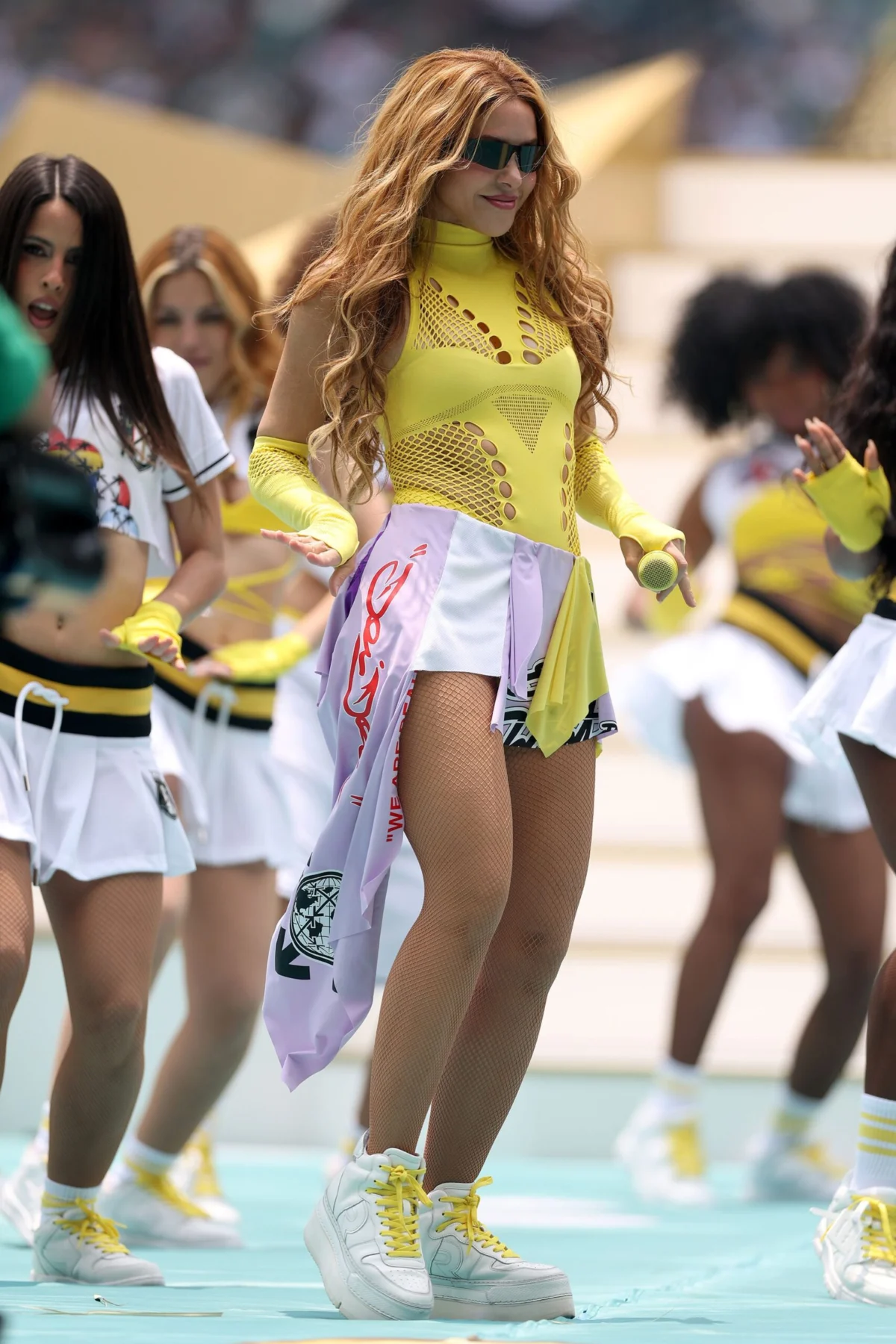
For the first time in the history of the FIFA World Cup, the final match will feature a dedicated halftime show. Historically, FIFA has focused its musical and cultural presentations on the opening and closing ceremonies, which typically take place before the athletes take the field. The decision to integrate a 15-to-30-minute performance during the intermission of the final match indicates a move toward a more commercial and entertainment-centric model, aimed at retaining television audiences during the break in play.
While the specific roster of performers remains a subject of intense global speculation, FIFA officials have indicated that the lineup will reflect the multinational spirit of the 2026 edition. The halftime show is being produced to rival the scale of the most-watched musical events in the world. Beyond the spectacle, the performance serves a humanitarian purpose. The show is the cornerstone of a fundraising drive intended to generate $100 million for the FIFA Global Citizen Education Fund. This initiative aims to provide football-related educational opportunities and sports infrastructure to underprivileged children worldwide, ensuring that the tournament leaves a tangible social legacy.
The pre-match closing ceremony will remain a fixture of the event, scheduled to begin 90 minutes before the opening whistle. This ceremony is expected to feature a blend of cultural performances representing the three host nations, celebrating the diversity and unity of the North American continent. Together, these two segments of entertainment are expected to reach a projected global television audience exceeding 1.5 billion viewers.
The Venue: New Jersey Stadium’s Global Stage
The selection of the New Jersey Stadium (known domestically as MetLife Stadium) as the site for the final was the result of a competitive bidding process involving several major North American metropolitan areas. Located in the Meadowlands Sports Complex, the stadium is a veteran host of high-profile events, including Super Bowl XLVIII and the Copa América Centenario final in 2016.
For the 2026 World Cup, the stadium has undergone several modifications to meet FIFA’s stringent requirements for international pitch dimensions and media infrastructure. The venue’s proximity to New York City makes it a strategic choice for international travelers and media hubs. Logistically, the New York-New Jersey region has prepared for an influx of over one million visitors throughout the duration of the tournament, with the final match acting as the peak of this economic activity.
Local authorities have estimated that the World Cup could generate upwards of $2 billion in economic impact for the region. This includes revenue from hospitality, transportation, and retail, as well as the long-term benefits of increased global visibility. The stadium’s 82,500 seats are expected to be sold out months in advance, with ticket demand significantly outpacing supply, leading to one of the most lucrative gate receipts in sporting history.
Chronology of the 2026 World Cup Journey
The path to the July 19 final has been a multi-year endeavor that began long before the first whistle blew in Mexico City on June 11, 2026. The timeline of the 2026 World Cup is marked by several key milestones:
- June 2018: The "United Bid" consisting of the U.S., Mexico, and Canada was selected by the FIFA Congress in Moscow, defeating a rival bid from Morocco.
- June 2022: FIFA officially announced the 16 host cities, which include 11 in the U.S., three in Mexico, and two in Canada.
- February 2024: The full match schedule was released, confirming that the opening match would be held at the Estadio Azteca in Mexico City and the final at the New Jersey Stadium.
- June 11, 2026: The tournament officially commenced, kicking off a 39-day competition that spanned four time zones.
- July 2026: The knockout stages progressed through the Round of 32, Round of 16, Quarter-finals, and Semi-finals, culminating in the championship match.
This extended timeline reflects the complexity of managing a 48-team tournament. The expansion from 32 to 48 teams necessitated a total of 104 matches, up from the 64 matches played in previous editions since 1998. This expansion required a sophisticated logistics network to manage team travel, security, and fan accommodation across three sovereign nations.
The FIFA x Global Citizen Partnership: Beyond the Pitch
The integration of the Global Citizen brand into the World Cup final represents a significant evolution in FIFA’s corporate social responsibility strategy. The partnership, announced in the years leading up to the tournament, focuses on the "Power of Football" to drive social change. The $100 million fundraising goal for the FIFA Global Citizen Education Fund is one of the most ambitious philanthropic targets ever associated with a single sporting event.
The fund is designed to address disparities in access to sports and education. According to FIFA’s briefing documents, the capital will be used to:
- Build and renovate community football pitches in developing regions.
- Provide coaching certifications and educational materials to local leaders.
- Support digital literacy programs that use football as a medium for engagement.
Hugh Evans, Co-Founder and CEO of Global Citizen, stated in previous communications that the World Cup provides an unparalleled platform to mobilize "Global Citizens" to take action against extreme poverty and inequality. By hosting the halftime show as a benefit concert of sorts, FIFA is leveraging the massive commercial interest in the final to address systemic global issues.
Broader Impact and Implications for International Sport
The 2026 World Cup is widely viewed as a litmus test for the future of mega-sporting events. The multi-host model is expected to become the standard for future tournaments, as evidenced by the plans for the 2030 World Cup, which will span three continents. The success of the 2026 final in New Jersey will likely determine whether the "Super Bowl-style" halftime show becomes a permanent fixture of the FIFA World Cup.
From a commercial perspective, the 2026 cycle is expected to be the most profitable in FIFA’s history. The organization projected revenues of approximately $11 billion for the 2023-2026 period, a substantial increase over the $7.5 billion generated during the Qatar 2022 cycle. This growth is driven by expanded sponsorship tiers, increased broadcast rights fees due to the higher number of matches, and the lucrative North American commercial market.
However, the expansion has not been without criticism. Analysts have raised concerns regarding the carbon footprint of increased air travel between host cities and the potential for "fan fatigue" with a longer tournament duration. In response, FIFA and the local organizing committees implemented a regionalized pod system for the group stages to minimize travel distances for teams and fans. The final match in New Jersey serves as the ultimate conclusion to this logistical experiment.
Conclusion: A Legacy of Music, Sport, and Philanthropy
As the sun sets on the 2026 World Cup on July 19, the focus will be as much on the cultural spectacle as the sporting achievement. The New Jersey Stadium will host more than just a football match; it will host a global broadcast event that blends the intensity of the world’s most popular sport with the star power of international music icons.
The introduction of the halftime show and the $100 million commitment to global education represent a new chapter for FIFA, one where the final match serves as a vehicle for broader global engagement. When the final whistle blows and the trophy is hoisted, the 2026 World Cup will be remembered not only for the goals scored on the pitch but for the unprecedented scale of its presentation and its efforts to link the world of sport with the mission of global development. The era of the 48-team World Cup begins and ends with a message of expansion—in the number of teams, the length of the show, and the depth of its social impact.

0 Comments