
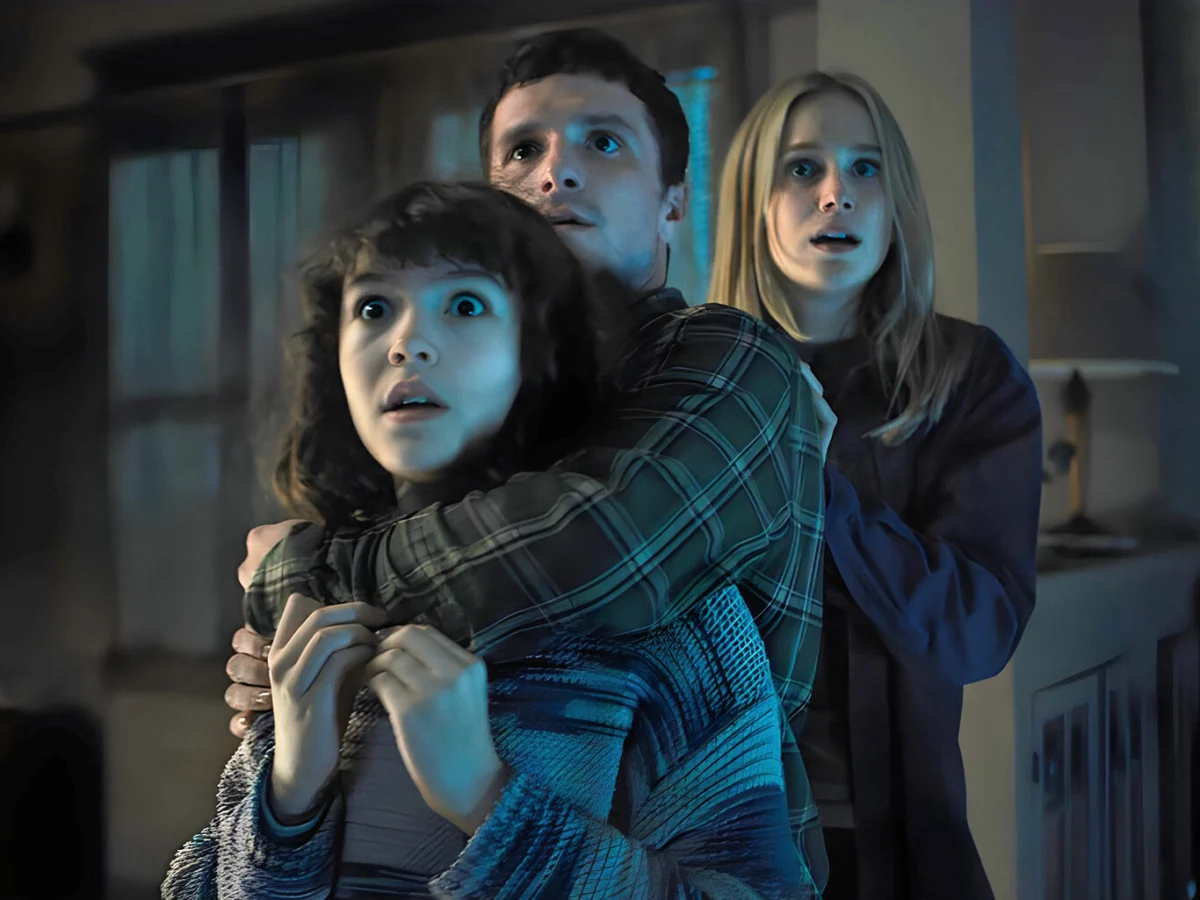
The cinematic expansion of the Five Nights at Freddy’s universe has reached a new milestone as the sequel to the record-breaking horror adaptation officially debuts on HBO Max. Arriving exactly 238 days after its initial theatrical release, the film’s transition to streaming marks a strategic move by Universal Pictures and Blumhouse Productions to solidify the franchise’s dominance in the digital landscape. Following a pattern established by its predecessor, the sequel has navigated a complex reception, characterized by an overwhelming divide between professional critics and a dedicated global fanbase. Despite facing a harsh reception from film reviewers, the production has secured its status as a commercial juggernaut, earning over $238 million at the global box office and further validating the financial viability of video game adaptations tailored specifically for community lore enthusiasts.
The Evolution of a Digital Phenomenon: From Indie Game to Global Brand
The journey of Five Nights at Freddy’s (FNAF) from a niche independent video game to a multi-million dollar film franchise is a testament to the power of internet subcultures. Created by Scott Cawthon in 2014, the original game relied on a simple yet effective premise: a night security guard must survive five nights at a dilapidated family entertainment center while being hunted by sentient, murderous animatronics. While the gameplay was straightforward, the "lore"—a complex web of hidden backstories, cryptic messages, and tragic history—was what truly propelled the series into the mainstream.
For over a decade, digital creators and streamers on platforms like YouTube and Twitch meticulously dissected every frame of the games, building a massive, intergenerational audience. This grassroots momentum ensured that when a live-action adaptation was finally announced, the built-in marketing machine was already at its peak. The first film, released in 2023, defied industry expectations by grossing over $290 million against a modest budget. It proved that "fan service," often criticized in traditional filmmaking, was a potent tool for commercial success when applied to a property with such deep digital roots.
Chronology of the Sequel and the Streaming Transition
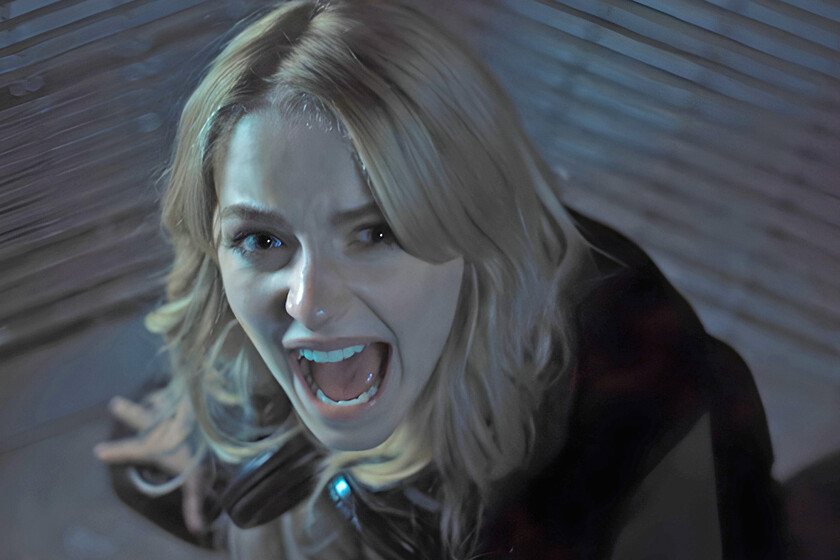
The development and release of the second installment followed an accelerated timeline to capitalize on the momentum of the first film. After the 2023 debut, Blumhouse Productions moved quickly into the production of the sequel, maintaining the core creative team, including director Emma Tammi and lead actor Josh Hutcherson.
The theatrical window for the second film served as a period of intense financial accumulation. While the initial surprise of the first film’s success had dissipated, the sequel maintained a strong hold on the box office, eventually crossing the $238 million mark. The decision to bring the film to HBO Max 238 days after its premiere follows a broader industry trend where studios balance the revenue of theatrical runs with the long-term subscription value of streaming platforms. This window allowed for a full cycle of premium video-on-demand (PVOD) sales before the title became available to subscribers at no additional cost.
The Critical Divide: Professional Skepticism vs. Audience Adoration
One of the most notable aspects of the Five Nights at Freddy’s cinematic journey is the persistent disconnect between professional film critics and the general public. On platforms such as Rotten Tomatoes, the sequel has experienced a notable dip in critical standing compared to the first film, with many reviewers citing a lack of narrative accessibility for non-fans and a reliance on internal references.
However, the audience score tells a different story. With an 82% approval rating from viewers, it is clear that the production team prioritized the expectations of the "FNAF" community over the standards of Hollywood’s critical establishment. This strategy involved a heavy emphasis on "Easter eggs"—hidden details that reference the games’ deep history—and a commitment to the aesthetic of the original source material. For the fanbase, the film is not merely a horror movie but a communal experience that rewards years of engagement with the franchise’s digital mysteries.

Technical Execution and the Use of Practical Effects
A defining characteristic of the Five Nights at Freddy’s films is the decision to utilize practical effects rather than relying solely on Computer-Generated Imagery (CGI). In an era where digital effects are the industry standard, Blumhouse opted to collaborate with Jim Henson’s Creature Shop to bring the iconic animatronics—Freddy Fazbear, Bonnie, Chica, and Foxy—to life.
This choice has been widely praised by both fans and technical analysts. The physical presence of the animatronics on set provides a sense of weight and tactile horror that is often missing from modern digital productions. For the sequel, the production expanded on these designs, introducing "Withered" versions of the characters that reflect the decaying, haunted nature of the setting. This commitment to practical craftsmanship has become a hallmark of the franchise, distinguishing it from other contemporary horror titles and providing a bridge between the digital world of the games and the physical reality of the film.
Financial Performance and Market Impact
The financial trajectory of the sequel reinforces the "Blumhouse Model": low-to-mid-budget productions that yield high-margin returns. By keeping production costs controlled, the franchise has achieved a level of profitability that rivals much larger blockbuster tentpoles.
Global Box Office Breakdown:
- Total Revenue: Over $238 million.
- Primary Markets: Strong performance in North America, Mexico, and the United Kingdom.
- Budget-to-Revenue Ratio: High profitability, following the $290 million success of the first film.
The success of these films has influenced how studios perceive the "Internet-to-Screen" pipeline. The rise of other digital-first horror phenomena, such as the Backrooms—which is currently being adapted into a feature film—suggests that the industry is shifting its focus toward properties that already possess a massive, pre-verified digital audience. This shift is also evident in the success of other gaming-related media, such as the Super Mario Bros. Movie and Sonic the Hedgehog, indicating a golden age for adaptations that respect the source material’s core identity.
Official Responses and Strategic Implications
While the studio has remained focused on the numbers, various stakeholders have commented on the franchise’s unique position. Jason Blum, the founder of Blumhouse, has frequently highlighted the importance of listening to the audience, suggesting that the success of FNAF is a blueprint for future fan-centric projects.
Industry analysts suggest that the arrival of the sequel on HBO Max is timed to bolster the platform’s horror catalog during a period of increased competition. By securing high-profile titles like FNAF and Alien: Romulus, streaming services are attempting to capture the "Gen Z" demographic, which has shown a particular affinity for horror and gaming content. The 238-day wait for streaming also suggests a more traditional, "patient" rollout intended to maximize every possible revenue stream before the film settles into its permanent home on Max.
Broader Implications for the Future of Horror Gaming
The continued success of the Five Nights at Freddy’s franchise signals a broader transformation in the horror genre. The films have successfully bridged the gap between different media formats, proving that a property can maintain its "indie" spirit while operating on a global scale.
As the second film begins its streaming life, the conversation has already turned toward the inevitable third installment. The narrative of the sequel, set a year after the events of the first film, has expanded the lore and introduced new characters that set the stage for a grand finale. With Josh Hutcherson confirmed to lead the franchise forward, the series is well-positioned to remain a cornerstone of modern pop culture.

In conclusion, the arrival of Five Nights at Freddy’s 2 on HBO Max is more than just a digital release; it is the culmination of a decade-long journey from a simple computer game to a dominant force in the film industry. By prioritizing practical effects, deep lore, and fan satisfaction over critical acclaim, the franchise has redefined what it means to be a successful adaptation in the 21st century. Whether viewed as a horror masterpiece or a niche fan service project, its impact on the box office and the streaming world is undeniable, ensuring that the shadows of Freddy Fazbear’s Pizza will continue to loom large over the entertainment landscape for years to come.

0 Comments