
The prestigious Visions du Réel International Film Festival Nyon has unveiled the selection for its professional arm, VdR-Industry, highlighting a significant presence of Latin American talent for its 24th edition. Scheduled to take place from April 19 to 22, 2024, the industry event remains a cornerstone for the global non-fiction film community, providing a platform for development, networking, and financing. Out of 31 projects selected globally, seven hail from Argentina, Bolivia, Chile, Colombia, El Salvador, and Mexico, underscoring the region’s continued vitality and its ability to secure a foothold in the competitive European market. These projects, distributed across various specialized sections, reflect a diverse range of themes, from personal memory and family disputes to the exploration of marginalized identities and post-colonial esotericism.
The Strategic Importance of VdR-Industry for Non-Fiction
Visions du Réel, established in 1969, has long been recognized as one of the world’s premier festivals for documentary and non-fiction filmmaking. Its industry section, VdR-Industry, serves as a vital bridge between the creative process and the commercial reality of international distribution. For Latin American filmmakers, being selected for this platform is more than an honor; it is a strategic milestone. It provides access to international co-producers, distributors, and festival programmers who can elevate a project from a local narrative to a global cinematic event.
The 2024 selection comes at a critical juncture for several Latin American film industries. In countries like Argentina, where state funding for the arts has faced recent scrutiny and budget constraints, the opportunity to secure international support and visibility in Switzerland is essential for the survival of independent cinema. The presence of seven projects indicates that despite domestic challenges, the creative output of the region remains robust and highly regarded by international curators.
VdR–Work in Progress: Finalizing High-Impact Narratives
The Work in Progress section is designed for films in the final stages of production or early stages of post-production. It allows directors to present excerpts to potential partners who can assist with finishing funds, sales, and festival placement.
In this category, Argentina is represented by "Las noches" (The Nights), the feature-length debut of Ana Bovino. Produced alongside Natalia de la Vega of Navega Cine, the film offers a poignant exploration of identity and storytelling. It follows a woman born into a marginalized neighborhood and a marginalized body who transforms her daily existence into a series of narratives every night. The project arrives in Nyon with significant momentum, having previously participated in the Docs in Progress FIDOCS+Conecta in late 2023. It has also received backing from Argentina’s National Fund for the Arts (Fondo Nacional de las Artes) and Cultural Patronage (Mecenazgo Cultural), and was developed through the La Bonne Audiovisual Residency and the Campus Latino laboratory.
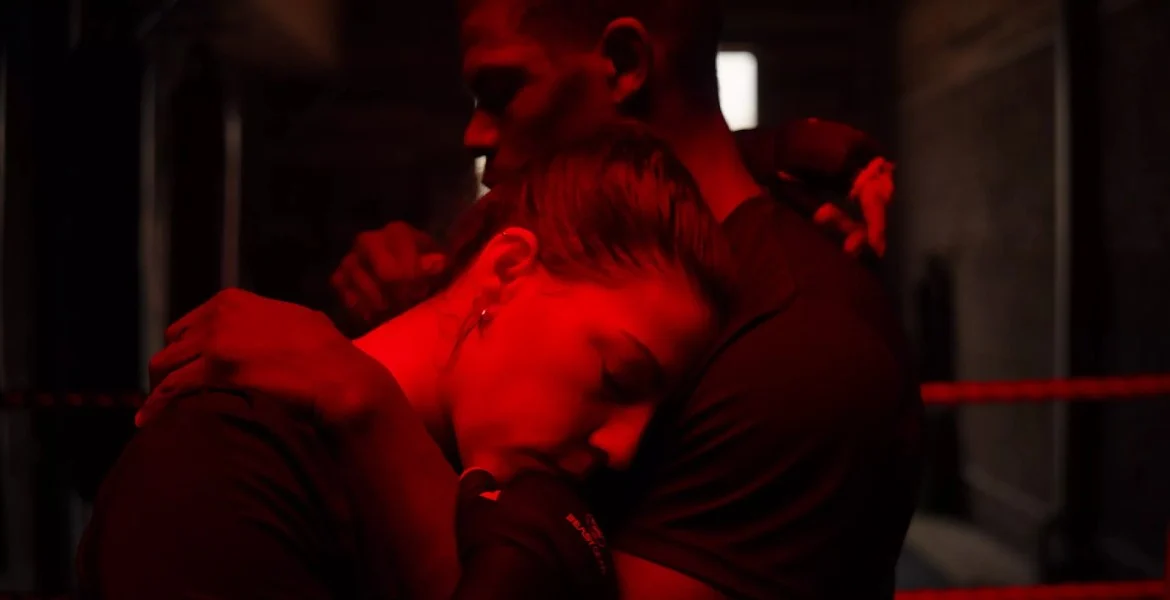
Joining the Work in Progress lineup is "BOOM!", a new project from Mexican director Laura Plancarte. Currently based in London, Plancarte’s film is a sophisticated tri-national co-production involving the United Kingdom (The Republic of Park Royal), France (Elda Productions), and Mexico. The documentary focuses on a couple who find community and identity through boxing in a London neighborhood. "BOOM!" has already garnered attention in international circles, having previously participated in pitch sessions at Fipadoc and DOCNYC, signaling strong cross-border appeal.
VdR–Rough Cut Lab: Refining the Vision
The Rough Cut Lab offers a more intimate setting where projects in the editing phase receive expert feedback from consultants to help shape the final narrative arc. This year, the lab features "Capitán" by Colombian director Laura Otálora. A co-production between Colombia (Tomato Content) and Spain (Playlab Films), this marks Otálora’s second documentary feature following "Chef’s Diaries Scotland."
"Capitán" is a deeply personal film that explores the director’s relationship with her father, a former merchant ship captain who now resides in a facility for Alzheimer’s patients. The project has seen extensive development through prestigious channels, including DocLab Navarra and Docs Barcelona Industry, and has received support from the Colombian Film Development Fund (FDC). The inclusion of "Capitán" in the Rough Cut Lab highlights a growing trend in Latin American non-fiction: the "essay film" or personal documentary that uses familial intimacy to explore broader human conditions like memory loss and the passage of time.
VdR–Pitching: Securing International Co-Production
The Pitching section is perhaps the most high-stakes environment of VdR-Industry, where filmmakers present projects in development to a panel of experts. Chilean filmmaker Francina Carbonell returns to the international stage with her second feature project. Following the critical success of her debut, "El cielo está rojo" (The Sky is Red)—which examined a tragic prison fire in Santiago—Carbonell’s new project shifts focus toward domestic drama and legal conflict.
The untitled project explores a complex family dispute over an inheritance that feels more like a mirage, involving arid lands and insurmountable debts. This project is a major regional collaboration, produced by María Paz González (María una Vez) from Chile in co-production with Argentine producers Gema Juárez Allen and Clarisa Oliveri of Gema Films. Such collaborations between Chile and Argentina have historically been fruitful, often resulting in films that perform well on the European festival circuit.
VdR–Development Lab: Nurturing Early-Stage Concepts
For projects in the earlier phases of creation, the Development Lab provides the necessary tools to solidify a concept. Representing Bolivia is "Augurios, sueños y suelos" (Omens, Dreams, and Soils) by Luciana Decker Orozco. Produced by Camila Molina through Ommcine, the film is an atmospheric exploration of the city of La Paz, following its hidden rivers and springs through a focus on ground-level imagery and soundscapes.
Decker Orozco is a rising star in Bolivian cinema, known for her award-winning short films such as "Puro andar" and "Lo que los humanos ven como sangre, los jaguares lo ven como chicha." This feature debut was previously part of the Arché-Work 2025 Residencies. Its selection for VdR-Industry is a testament to the growing international interest in sensory and environmental documentaries coming from the Andean region.
Story Lab Pitching: Exploring Hybridity and Memory
The final two Latin American projects are part of the Story Lab Pitching section, which often features more experimental or hybrid approaches to non-fiction storytelling.
"Spirits We Didn’t Ask For," directed by the Swiss-Argentine duo Jonathan Jäggi and Tobias Kubli, is a hybrid documentary set in Capilla del Monte, a town in Córdoba, Argentina, famous for its association with UFO sightings and esoteric mysticism. The film delves into the intersection of post-colonial memory and spiritualism. Produced by the Swiss companies Point de Vue and Primat Praxis Film, the project was previously pitched at the Locarno Film Festival, indicating a strong interest from the Swiss film industry in Argentine narratives.
Finally, "The Poem’s Journey" by Swiss-Salvadoran filmmaker Celina Escher completes the regional selection. Escher, who gained international acclaim for her documentary "Nuestra libertad" (Fly So Far), presents a co-production between Switzerland, El Salvador, and Sweden. Escher’s work is known for its strong social commitment and its focus on human rights, and "The Poem’s Journey" is expected to follow this tradition of impactful, globally-minded storytelling.
Chronology of the 2024 Selection Process
The road to VdR-Industry 2024 began months ago with an open call that attracted hundreds of applications from across the globe.
- December 2023 – February 2024: The selection committee, composed of international industry experts, reviewed submissions based on artistic merit, international potential, and the feasibility of the production plan.
- March 2024: The final 31 projects were officially announced, with Latin American films making up nearly 23% of the total selection.
- April 19-22, 2024: The selected filmmakers will travel to Nyon to participate in workshops, one-on-one meetings, and public pitching sessions.
- Post-April 2024: Following the festival, many of these projects will likely secure the remaining funding or distribution deals needed to reach completion and premiere in 2025 or 2026.
Analysis: Trends and Implications for Regional Cinema
The 2024 selection highlights several key trends in Latin American non-fiction. First, there is a clear move toward international co-production. Almost every project selected involves more than one country, suggesting that filmmakers are increasingly looking outside their borders to mitigate financial risks and expand their audience reach.
Second, the themes remain deeply rooted in social and personal realities. Whether it is the marginalized bodies in "Las noches," the boxing gyms of the diaspora in "BOOM!", or the ancestral waters of La Paz in "Augurios, sueños y suelos," these films are using documentary as a tool to map the complexities of contemporary life.
Furthermore, the significant representation of female directors in this selection—including Ana Bovino, Laura Plancarte, Laura Otálora, Francina Carbonell, Luciana Decker Orozco, and Celina Escher—points to a gender shift in the region’s documentary landscape. These women are leading some of the most innovative and anticipated projects in the industry today.
Conclusion: A Gateway to the World
The presence of seven Latin American projects at the 24th VdR-Industry confirms that the region remains a powerhouse of non-fiction cinema. For the filmmakers involved, the four days in Nyon represent a critical opportunity to transform their creative visions into tangible cinematic realities. As these projects move from the labs and pitching sessions of Switzerland to the screens of the world, they will undoubtedly contribute to the ongoing global dialogue about identity, history, and the human experience.
Visions du Réel continues to prove that it is not just a showcase for finished films, but a vital incubator where the future of non-fiction is forged. For the seven Latin American teams heading to Switzerland this April, the journey is just beginning.

0 Comments