
 Lina Irawan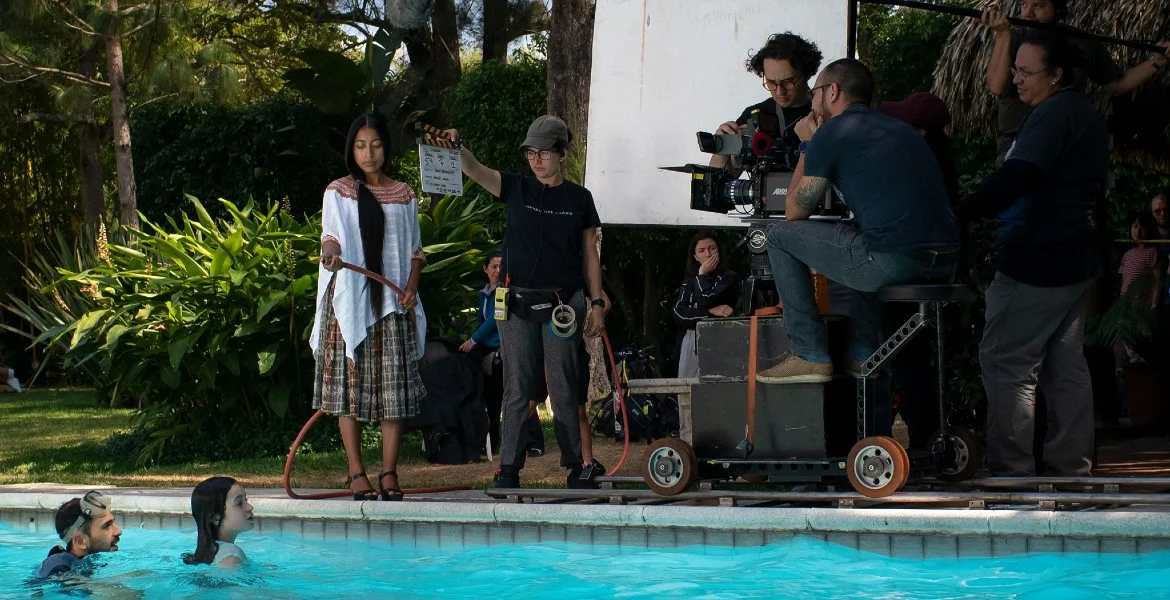
The Republic of Guatemala stands at a historic crossroads for its cultural and economic future as the national legislature nears the final approval of Initiative 5906, more commonly known as the Law for the Promotion of the Cinematographic and Audiovisual Industry. Following a successful second reading in the plenary of the Congress of the Republic on February 10, the bill now awaits a third and final debate. If passed, this legislation will establish the first comprehensive legal framework for the nation’s film sector, moving Guatemala from a state of informal artistic growth to a structured, globally competitive industry.
For years, the Guatemalan film community has operated in a legal vacuum, achieving international acclaim despite a lack of state-level institutional support. The urgency of the current legislative moment is underscored by a joint statement from the Guatemalan Film Academy and the Guatemalan Audiovisual and Cinematography Association (AGACINE), which emphasizes that filmmaking in the country is no longer a niche hobby but a "tangible reality." With professional film programs now established at various universities and production activities recorded in 21 of the country’s 22 departments, the industry has demonstrated a unique capacity to generate economic spillover across multiple sectors, including tourism, hospitality, transportation, and technical services.
The Institutional Architecture of Initiative 5906
The primary objective of the proposed law is to foster the "progressive, harmonious, and equitable development of national cinematography and the audiovisual industry." To achieve this, the legislation outlines the creation of a robust institutional ecosystem designed to professionalize every stage of the cinematic process, from education and production to preservation and international distribution.
At the heart of this new structure is the Guatemalan Institute of Film (Instituto Guatemalteco de Cine). This body will serve as the regulatory and promotional authority for the sector, providing a centralized point of contact for domestic filmmakers and international production companies. Complementing the Institute is the National Higher School of Film (Escuela Superior Nacional de Cine), which aims to standardize and elevate the quality of technical and artistic training in the country. This educational component is seen as vital for ensuring that the local workforce can meet the demands of large-scale international co-productions.
Furthermore, the law proposes the establishment of a Film Commission (Comisión Fílmica) and a National Cinematheque (Cinemateca Nacional). While the Film Commission will focus on marketing Guatemala as a premier filming destination—leveraging its diverse landscapes and cultural heritage—the Cinemateca will be tasked with the preservation of the nation’s visual history, ensuring that Guatemalan heritage is archived for future generations. Overseeing these entities will be the National Film Council, a strategic decision-making body composed of government ministers and industry representatives, ensuring that policy remains aligned with both state interests and the practical needs of creators.
Funding Mechanisms and the Aviation Contribution
One of the most debated and innovative aspects of Initiative 5906 is the creation of a sustainable funding model. The law envisions a Film Promotion Fund (Fondo de Fomento del Cine), which would be distributed through competitive grants and public contests. This model mirrors successful frameworks used in other Latin American "cinema powerhouses" like Colombia and Mexico, where transparent, merit-based funding has led to a surge in high-quality local content.
To finance these initiatives, the bill introduces a "Contribution to Cinema," a specific tax of one U.S. dollar applied to every international airline ticket. This proposal has been the subject of extensive negotiation between the government and private sectors. Mónica Walter Palmieri, President of the Guatemalan Academy of Cinematic Arts and Sciences and Treasurer of the Iberoamerican Federation of Academies (FIACINE), noted that the funding structure was refined through working groups led by Deputy Victoria Palala. These discussions included representatives from the aviation and tourism industries to ensure that the levy does not negatively impact travel volume while providing a consistent revenue stream for the arts.
Beyond the ticket tax, the legislation also opens the door for fiscal incentives and tax credits. These tools are essential for attracting foreign investment. In the global film market, countries compete to host major productions by offering "rebates" or tax breaks; by including these mechanisms, Guatemala signals its readiness to host multi-million dollar productions that bring significant foreign currency into the local economy.
A Decade of Advocacy: The Legislative Timeline
The current momentum behind Initiative 5906 is the result of over a decade of persistent advocacy by the Guatemalan creative community. The path to this third reading has been marked by several previous attempts to establish a legal framework, all of which stalled due to shifting political priorities or economic concerns.
The timeline of these efforts reflects the growing maturity of the industry:
- 2011: The first major push for a film law was introduced, highlighting the need for institutional recognition.
- 2014-2018: Multiple revised projects were presented to Congress, focusing on the economic potential of the "Orange Economy."
- 2021: Initiative 5906 was formally introduced, benefiting from a more organized and unified front from industry guilds like AGACINE.
- February 10: The bill passed its second reading, marking the furthest a film-related bill has ever progressed in the Guatemalan legislative process.
"As a cinematographic guild, we have been supporting the film law since its inception," says Mónica Walter Palmieri. She emphasizes that the law is not merely about art, but about economic revitalization. "We need a legal framework that strengthens the industry, among other things because it is a source of direct and indirect jobs that boost the local economy. Finally, we hope the law will enhance the country’s selection as a filming destination."
The "La Llorona" Effect and International Prestige
The push for the law comes at a time when Guatemalan cinema is enjoying unprecedented international success. The work of directors like Jayro Bustamante has placed the country on the global map. His film La Llorona (2019) achieved a historic nomination for a Golden Globe and was shortlisted for the Academy Awards, proving that Guatemalan stories have universal appeal.
However, industry experts argue that individual success is not sustainable without systemic support. Currently, filmmakers often rely on foreign grants (such as those from Europe or the Ibermedia program) to complete their projects. A national law would provide "seed money" and domestic backing, giving Guatemalan producers more leverage in international co-production deals. It would also allow the industry to move beyond "art-house" cinema into more diverse genres, including documentaries, animation, and commercial series, which require more significant infrastructure and long-term investment.
Economic Impact and the Orange Economy
The "Orange Economy"—a term used to describe sectors whose value is based on intellectual property—is one of the fastest-growing segments of the global economy. For a developing nation like Guatemala, the film industry offers a high return on investment. A single film production requires a vast array of services: carpenters and painters for set construction, makeup artists, electricians, caterers, lawyers for contracts, and accountants for financial management.
Data from other regional neighbors suggest that for every dollar invested in film through state incentives, the economy sees a return of three to seven dollars in local spending. By formalizing this sector, Guatemala can transition workers from the informal economy into stable, specialized employment. Moreover, the "screen tourism" effect cannot be overlooked; films that showcase Guatemala’s iconic landscapes, such as Lake Atitlán or the ruins of Tikal, serve as high-impact advertisements that draw international travelers.
Public Support and the Path Forward
The film community is not alone in its quest for legislation. A digital petition supporting the approval of Initiative 5906 has garnered over 4,000 signatures from citizens, students, and cultural advocates. This public backing is a critical signal to the Congress of the Republic that there is a broad social mandate for the law.
As the bill moves toward its third debate, the focus shifts to the implementation phase. If approved, the challenge will be the transparent and efficient setup of the new institutions. The industry remains optimistic but vigilant, calling on authorities and the citizenry to ensure that the final vote reflects the aspirations of a nation ready to tell its own stories to the world.
The approval of the Film Law would represent more than just a regulatory victory; it would be a formal recognition of the cultural identity of Guatemala. In a country with a complex history and diverse indigenous cultures, cinema serves as a powerful tool for social cohesion and national reflection. By providing the legal and financial tools necessary for filmmakers to work at home, Guatemala is investing in its own narrative sovereignty, ensuring that its voices are heard, its talents are nurtured, and its economy is diversified for the 21st century.




 Eva Lovia
 Julia Chirkova
 Julia Prastini
 Nila Kartika Wati
 Jia Lissa