
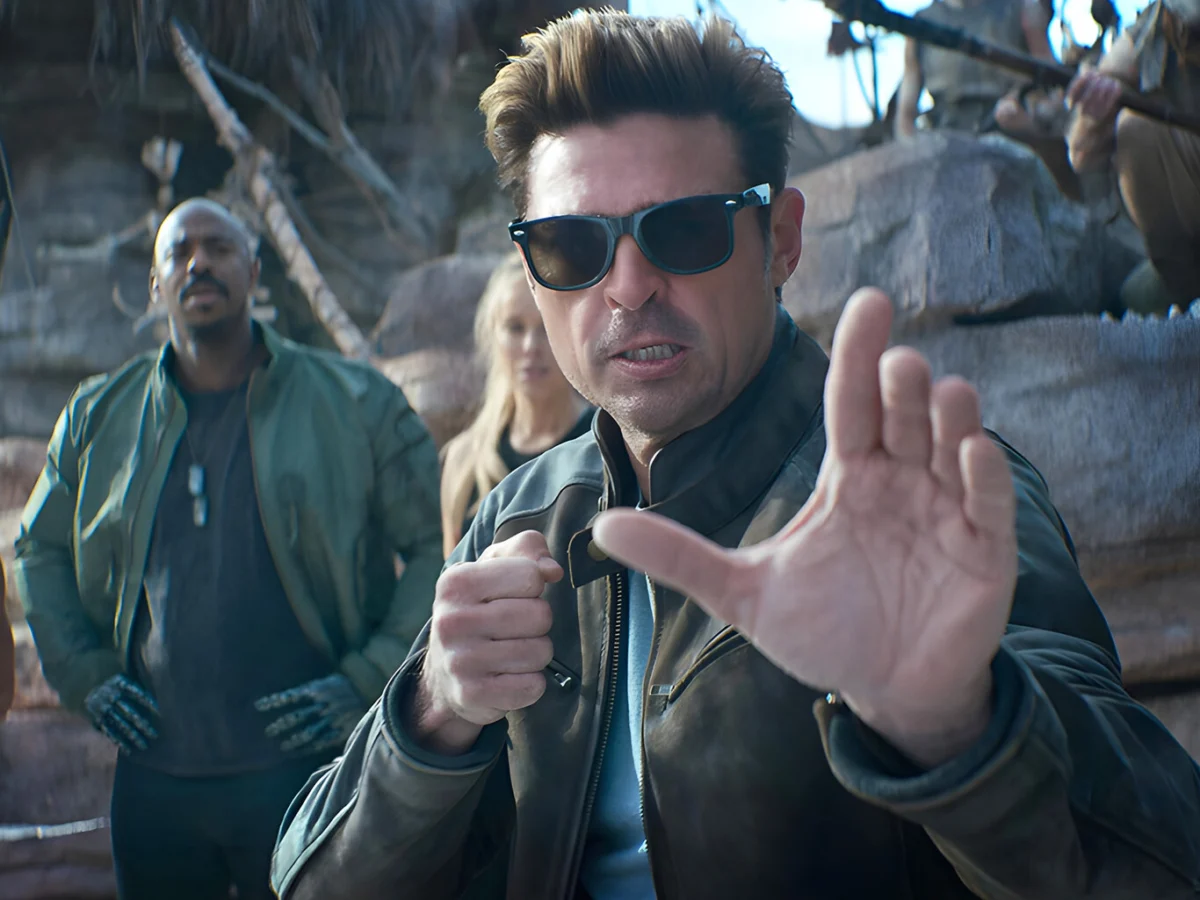
The highly anticipated sequel to the 2021 cinematic reboot of the Mortal Kombat franchise has officially made its debut on the HBO Max streaming platform, marking the end of a 1,928-day wait for fans of the storied fighting game series. Mortal Kombat 2 arrives on the service following a robust 78-day exclusive theatrical window, during which it garnered over $129 million at the global box office. This financial performance notably surpassed the earnings of the first installment, solidifying the franchise’s viability as a cornerstone of Warner Bros. Discovery’s action portfolio. The transition to streaming follows the trajectory of the 2021 film, which at the time of its release became the most-watched film on HBO Max, setting a high bar for audience engagement that the sequel aims to exceed through a more faithful adherence to the source material and an escalation of the series’ signature graphic violence.
A Strategic Shift Toward Game Fidelity and Lore
One of the primary objectives for the production of Mortal Kombat 2 was to address the critical feedback directed at the 2021 film. While the first movie was praised for its visual effects and martial arts choreography, it faced scrutiny from the core fanbase regarding the introduction of an original protagonist, Cole Young, and a perceived departure from the established "lore" or mythology of the video games created by Ed Boon and John Tobias. The sequel represents a deliberate pivot back toward the canonical narrative found in the NetherRealm Studios titles, specifically drawing inspiration from the storylines of Mortal Kombat 2, Mortal Kombat 3, and the modern reboots, Mortal Kombat 9 and Mortal Kombat 11.
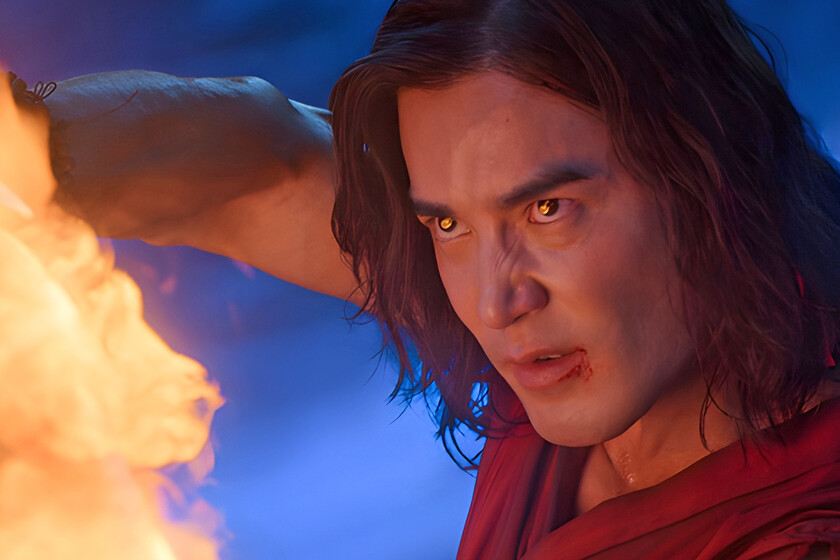
In this iteration, the narrative focus shifts away from introductory characters and places the established icons of the franchise at the center of the conflict. The plot centers on the high-stakes martial arts tournament known as Mortal Kombat, a mystical competition that determines the fate of various dimensions. The antagonist, Shao Kahn, a formidable conqueror of realms, stands on the precipice of total domination; having secured nine consecutive victories against Earthrealm, he requires only one final tournament win to legally merge the worlds and enslave humanity. Opposing him is the Thunder God Raiden, who has assembled a diverse group of champions for a final, desperate stand to preserve Earth’s sovereignty.
Chronology of Development and Production Milestones
The journey to the release of Mortal Kombat 2 was a protracted process spanning five years of development, casting, and post-production. Following the commercial success of the 2021 film—which achieved 5.6 million views on HBO Max within its initial release window despite the challenges of the global pandemic—Warner Bros. greenlit the sequel with a mandate to increase the scale of the production.
- April 2021: Mortal Kombat (2021) premieres simultaneously in theaters and on HBO Max, proving the brand’s streaming power.
- January 2022: New Line Cinema officially confirms the development of the sequel, with Jeremy Slater hired to pen the screenplay.
- May 2023: Principal photography begins, with a focus on integrating more complex "Fatalities" and character-specific special moves directly from the game engine.
- May 2026: Mortal Kombat 2 premieres in theaters worldwide, achieving a record-breaking opening weekend for the franchise.
- August 2026: Following a 78-day theatrical run and a $129 million box office haul, the film transitions to HBO Max for its streaming debut.
This timeline reflects a more traditional release strategy compared to the hybrid model used during the pandemic, allowing the film to build cultural momentum through theater-goers before becoming a permanent fixture in the streaming library.

Expanded Cast and the Introduction of Fan-Favorite Icons
The sequel’s success is largely attributed to its expanded roster of characters, which reads as a "who’s who" of the Mortal Kombat universe. The returning cast, including Raiden, Liu Kang, and Sonya Blade, is joined by a suite of characters that fans felt were conspicuously absent from the first film. Notable additions include the Outworld royalty Kitana and Jade, the monstrous Baraka, and the sorcerers Quan Chi and Shang Tsung.
However, the most significant addition to the cast is the character of Johnny Cage, portrayed by Karl Urban. The absence of Cage in the 2021 film was a point of contention for many, as the character provides a necessary element of levity and "Hollywood" artifice to the otherwise grim proceedings. Industry analysts and critics have noted that Urban’s portrayal captures the quintessential charisma and arrogance of the character, making him a standout performer in a cast dominated by stoic warriors. The film also delves deeper into the tragedy of the Sub-Zero lineage, exploring the transformation of Bi-Han into the shadow wraith Noob Saibot, a narrative arc that is central to the "lore" of the games.
Technical Execution: Violence, Choreography, and Ed Boon’s Involvement
Mortal Kombat 2 distinguishes itself from other video game adaptations through its uncompromising approach to on-screen violence. Adhering to the "M" for Mature rating of the games, the film features "Fatalities" that are nearly identical to their digital counterparts. This visceral realism is supported by advanced CGI and practical stunt work, ensuring that the fights feel grounded despite the supernatural abilities of the combatants.
A key factor in the sequel’s authenticity was the direct involvement of Ed Boon, the co-creator of the Mortal Kombat franchise. Boon served as a creative consultant on the project, ensuring that character motivations, dialogue, and fight styles remained consistent with the vision of NetherRealm Studios. Boon’s involvement extended to a cameo appearance, a gesture that served as a "seal of approval" for the longtime gaming community. Reports from the set suggest that Boon worked closely with the screenwriters to incorporate "Easter eggs" and specific dialogue cues that mirror the cinematic introductions found in the modern game entries. One specific sequence, a confrontation between Liu Kang and Kung Lao, has been highlighted by audiences as a masterclass in martial arts cinematography, blending high-speed choreography with the tactical use of special abilities.
Commercial Impact and the Future of the Mortal Kombat Cinematic Universe
The financial success of Mortal Kombat 2 carries significant implications for the future of the franchise. By outperforming the original film both in theaters and maintaining high anticipation for its streaming release, the sequel has validated the "cinematic universe" approach for gaming properties. The $129 million box office total, while modest compared to superhero blockbusters, represents a highly profitable margin for a production of its scale and genre.
The film’s conclusion serves as a clear harbinger for a third installment, leaving several narrative threads open regarding the ultimate fate of Earthrealm and the emergence of even greater threats from the Netherrealm. Warner Bros. Discovery has indicated that the Mortal Kombat brand remains a priority, with potential spin-off series or animated projects being considered to flesh out the backstories of the vast character roster.

Analysis of the Streaming Transition
The decision to move Mortal Kombat 2 to HBO Max after 78 days reflects a broader industry trend toward stabilizing the "theatrical-to-digital" pipeline. For a film rooted in a gaming community that is highly active online, the streaming release provides a second life where fans can analyze the film frame-by-frame, discovering the many references to the game’s history that Ed Boon and the production team included.
Furthermore, the availability of the film at no additional cost to HBO Max subscribers is expected to drive a surge in platform engagement. Data from previous releases suggests that high-octane action films with established fanbases have a high "re-watchability" factor, which is a key metric for streaming platforms seeking to reduce subscriber churn. Mortal Kombat 2 is positioned not just as a film, but as a digital event for the gaming world, bridging the gap between interactive entertainment and traditional cinema.
As the film begins its tenure on HBO Max, it stands as a testament to the evolving relationship between the gaming industry and Hollywood. By prioritizing the "lore" and the visceral expectations of the fans, the producers of Mortal Kombat 2 have created a blueprint for how to successfully adapt complex, long-running gaming franchises for a global audience. The 1,928-day wait has culminated in a product that both respects its origins and pushes the boundaries of the martial arts film genre.

0 Comments