
 Jia Lissa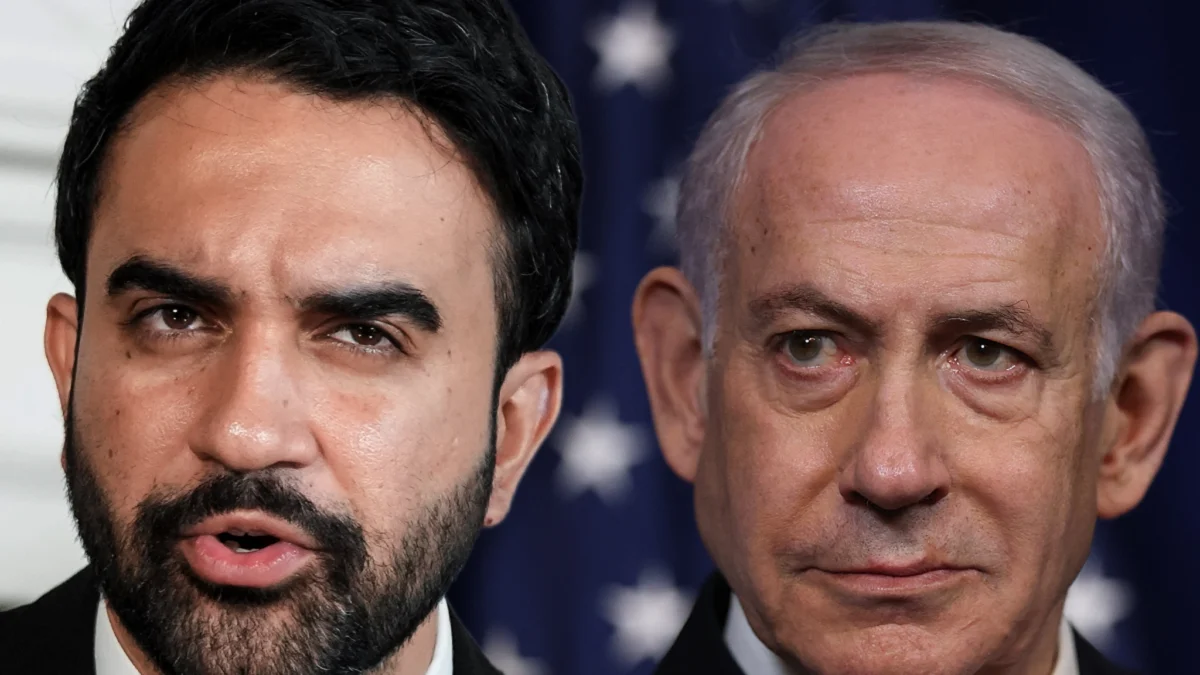
Mayor Mamdani’s Controversial Stance and the ICC Warrant
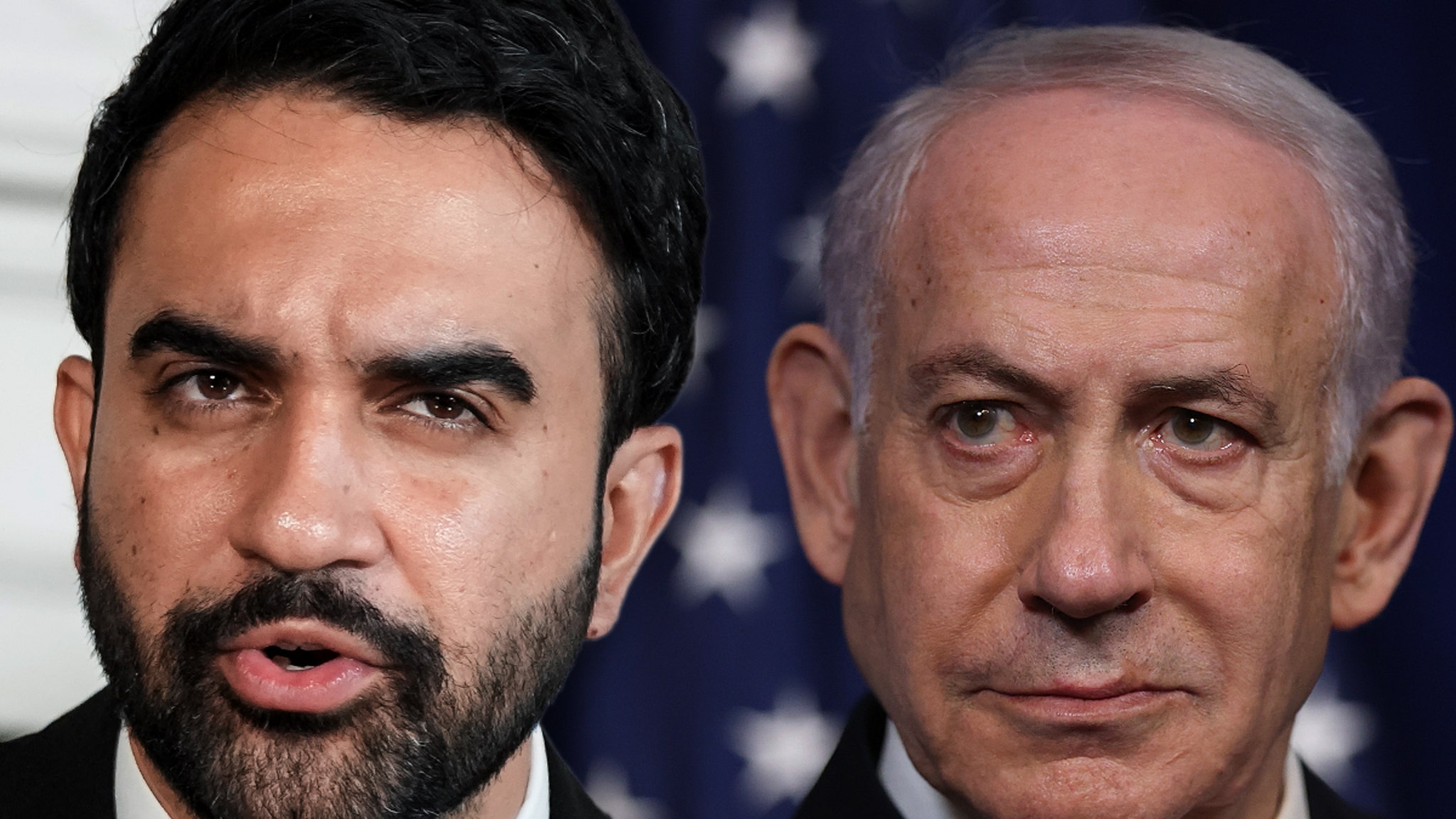
Mayor Mamdani’s assertion is rooted in the existing warrant for Netanyahu’s arrest issued by the International Criminal Court (ICC) at The Hague. The ICC, a permanent international court established to investigate individuals accused of genocide, war crimes, crimes against humanity, and the crime of aggression, issued its warrant against Prime Minister Netanyahu earlier this year. The charges stem from Israel’s military operations in the Gaza Strip, specifically alleging war crimes and crimes against humanity, including starvation of civilians as a method of warfare, willfully directing attacks against a civilian population, and intentionally causing great suffering or serious injury to body or health. While Israel, like the United States, does not recognize the ICC’s jurisdiction, the warrant remains active under international law for signatory states.
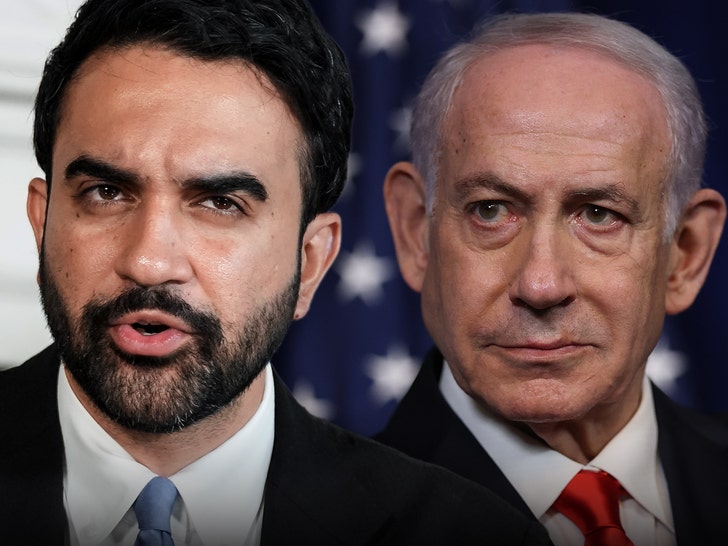
Mamdani, a vocal critic of Israel’s policies, stated unequivocally that Netanyahu "belongs in The Hague" and revealed that his administration is actively engaged in discussions with the city’s law department to ascertain the legal grounds, if any, for local law enforcement to execute such an arrest. This unprecedented move by a major U.S. city mayor against a sitting head of state has immediately thrust New York City into the complex and often contentious arena of international criminal justice and diplomatic protocols.
The Legal Labyrinth: Diplomatic Immunity vs. Local Jurisdiction
The Mayor’s statements immediately brought into sharp focus the intricate legal framework governing the presence of foreign heads of state on U.S. soil, particularly in a city hosting the United Nations Headquarters. The foundational document in question is the U.N. Headquarters Agreement, signed in 1947 between the United Nations and the United States. This agreement grants certain privileges and immunities to officials and delegates attending U.N. functions, including heads of government.
Furthermore, the Vienna Convention on Diplomatic Relations (1961) and the Vienna Convention on Consular Relations (1963) codify the principles of diplomatic immunity, which generally shield heads of state, diplomatic agents, and consular officers from arrest and prosecution in the host country. While these conventions primarily apply to accredited diplomats, customary international law extends similar protections to visiting heads of state, recognizing their sovereign status.
Legal experts are largely in agreement that Mayor Mamdani’s proposed action would face insurmountable legal hurdles. "The idea that a municipal police force could arrest a sitting head of state invited to the United Nations is, frankly, without precedent and runs contrary to decades of established international law and U.S. federal policy," explained Dr. Eleanor Vance, a professor of international law at Columbia University. "The U.N. Headquarters Agreement explicitly grants immunities necessary for the proper functioning of the organization, and that includes protecting visiting leaders from local legal actions that could disrupt diplomatic discourse."
The U.S. government, through the State Department, typically handles all matters pertaining to diplomatic immunity and the treatment of foreign dignitaries. Any attempt by a local jurisdiction to circumvent federal authority in such a sensitive area would not only be legally challenged but would also likely provoke a severe constitutional crisis regarding federal supremacy in foreign policy.
Reactions from Washington and Jerusalem
The immediate reaction from Washington was swift and dismissive. U.S. Ambassador to the United Nations, Mike Waltz, publicly blasted Mamdani’s remarks as "pure political theater." Waltz, in his own statement, reiterated the protections afforded by the U.N. Headquarters Agreement, emphasizing that visiting heads of government are immunized from arrest, effectively stating that Mamdani would "ain’t gonna see Bibi in handcuffs." This unequivocal stance from a high-ranking U.S. diplomat underscores the federal government’s commitment to upholding international protocols and preventing local interference in foreign affairs.
While an official statement from the Israeli government was pending, sources close to Prime Minister Netanyahu’s office indicated strong condemnation of Mamdani’s comments, characterizing them as "outrageous," "anti-Semitic," and a "provocation designed to undermine peace efforts." Such remarks are expected to be viewed by Israel as a hostile act from a major American city, potentially straining the already complex relationship between the two nations and highlighting the deep divisions within American political discourse regarding the Israeli-Palestinian conflict.
The U.S. State Department is expected to issue a more formal clarification reaffirming the principles of diplomatic immunity and the federal government’s sole authority over foreign policy matters, thereby aiming to de-escalate the diplomatic tension caused by Mamdani’s declaration. Such a statement would likely emphasize the importance of ensuring the safety and unimpeded participation of all member states’ representatives at the United Nations.
The Looming UN General Assembly: A Diplomatic Flashpoint?
The timing of Mayor Mamdani’s remarks is particularly significant as the annual United Nations General Assembly is scheduled to convene in September. The General Assembly is a high-profile event that traditionally draws heads of state and government from around the world, including Prime Minister Netanyahu. His potential visit to New York City for the session would put Mamdani’s controversial pledge to the ultimate test.
Should Netanyahu attend, the spotlight would not only be on the critical international issues discussed at the UN but also on the unprecedented standoff between a city mayor and a foreign head of state. The logistical and security implications for the U.S. Secret Service and New York City Police Department would be immense, as they are typically responsible for ensuring the safety and freedom of movement for all visiting dignitaries. An attempted arrest by local authorities would not only trigger a diplomatic incident of the highest order but could also lead to chaotic scenes and significant international embarrassment for the United States.
It is highly probable that the U.S. federal government would take extraordinary measures to ensure Netanyahu’s immunity is respected, potentially pre-empting any local action. This could involve direct communication with the Mayor’s office, or even federal intervention to secure the Prime Minister’s passage and stay within the U.N. district, which is considered international territory.
Historical Precedents and Challenges to Head-of-State Immunity
While Mayor Mamdani’s statement is unprecedented in its directness from a local official, the broader issue of challenging head-of-state immunity is not entirely new on the international stage. In recent decades, international courts, including the ICC, have sought to chip away at the absolute nature of immunity for leaders accused of grave crimes. Notable cases include former Serbian President Slobodan Milošević, who was tried by the International Criminal Tribunal for the former Yugoslavia, and former Sudanese President Omar al-Bashir, who faced an ICC arrest warrant for genocide and war crimes. However, these cases often involved leaders who had lost power or were traveling to non-signatory states, and even then, their arrests proved challenging.
The crucial distinction in Netanyahu’s case is his status as a sitting head of government and his potential visit to the United States, a non-signatory to the Rome Statute that established the ICC, but a nation that nonetheless hosts the ICC-recognized United Nations. While the U.S. has mechanisms for enforcing international criminal warrants in specific circumstances (e.g., against individuals already present in the U.S. or for crimes covered by U.S. law), applying such a warrant to a visiting head of state with diplomatic immunity is a different legal frontier.
Local Politics, Global Ramifications
Mayor Mamdani’s declaration cannot be divorced from the heated political climate in New York City, which has a significant Palestinian and Arab-American population, as well as a large and influential Jewish community. The Mayor, known for his progressive stance and advocacy for Palestinian rights, likely views this as a principled stand against what he perceives as impunity for international crimes. His statements resonate with a segment of his constituency that has been highly critical of Israel’s actions in Gaza and frustrated by the perceived inaction of international bodies.
However, the political ramifications extend far beyond local boundaries. Such a move risks alienating not only the Israeli government but also elements within the U.S. government who view strong U.S.-Israel ties as crucial for regional stability. It could also set a dangerous precedent, potentially inviting reciprocal actions against U.S. officials abroad or emboldening other local jurisdictions to challenge federal foreign policy.
The Mayor’s actions highlight the increasing intersection of local governance with complex international issues, particularly in global cities like New York. While symbolic in many ways, given the legal and diplomatic realities, Mamdani’s outspokenness underscores the deep moral and political divisions ignited by the ongoing conflict in the Middle East, even reaching the highest levels of city administration in the United States. The upcoming UN General Assembly will undoubtedly be a tense affair, with the world watching to see how this unprecedented challenge to diplomatic norms ultimately plays out.




 Eva Lovia
 Julia Chirkova
 Julia Prastini
 Candice Horbacz
 admin
admin