
The Republic of Panama has arrived at the 27th edition of the Málaga Film Festival with an unprecedented institutional and artistic presence, marking a definitive milestone in the nation’s cultural diplomacy. As the designated Guest Country of Honor, Panama is utilizing this prestigious European platform to showcase its rapidly maturing film industry, presenting a diverse selection of national titles and participating extensively in the Málaga Festival Industry Zone (MAFIZ). This strategic positioning reflects a broader effort by the Panamanian government to transform the Central American nation into a premier audiovisual hub for the Ibero-American region. The delegation, which consists of approximately 40 high-level professionals, includes key figures such as Sheila González, Director of the General Directorate of Cinema (DICINE); Arianne Benedetti, Vice Minister of Culture; and María Cecilia Arias, head of the Panama Film Commission. Their presence underscores a unified national commitment to fostering international partnerships and securing the long-term sustainability of the country’s creative economy.
The elevation of Panama to "Guest Country of Honor" status is not merely a symbolic gesture but a recognition of the significant strides the country has made in cinematic production over the last decade. Historically, Panamanian cinema was characterized by sporadic independent efforts; however, the establishment of the Film Fund and the implementation of Law 16 of 2012 have provided a structural foundation for growth. According to Sheila González, recent Panamanian films demonstrate a "notable growth in narrative, aesthetic, and international projection," a trend that has resulted in a consistent presence at A-list festivals worldwide. This evolution is being showcased in Málaga through a curated selection of films that reflect the country’s unique cultural identity, ranging from intimate social dramas to documentaries exploring the nation’s complex history and biodiversity.
Strengthening the Industry Value Chain and Legislative Reform
One of the central themes of Panama’s participation in Málaga is the transition from a nascent industry to a consolidated economic sector. While production volume has increased, the current focus of the General Directorate of Cinema is the professionalization of the entire value chain. Sheila González emphasized that the primary challenge facing the industry is not just increasing output but ensuring that works circulate effectively, reach diverse audiences, and achieve economic sustainability. To this end, Panama is currently in the process of updating its legal framework. The proposed legislative changes are designed to modernize existing incentives, streamline the professionalization of local crews, and, perhaps most importantly, attract international co-productions that can stimulate local development.
The focus on co-production is particularly relevant in the context of the Málaga Festival, which serves as a primary bridge between Latin American creators and European financiers. By updating its legal statutes, Panama aims to become a more competitive partner in the global market. The government’s strategy involves creating a "win-win" scenario where foreign producers benefit from Panama’s unique locations and tax incentives, while local talent gains exposure to international standards and high-budget production environments. This institutional push is backed by the Ministry of Culture, which views the audiovisual sector as a vital component of the nation’s "Orange Economy."
Strategic Industry Panels and the "Hub of Production" Concept
The industry-focused activities at MAFIZ are structured to present Panama as a multifaceted ally for international filmmakers. On Tuesday, March 10, the official programming commenced with the high-stakes panel entitled "Coproduce with Us: Panama is Your Ally." This session provided a deep dive into the specific advantages of partnering with Panamanian production houses. A major highlight of the discussion was the recent incorporation of a minority co-production category into Panama’s incentive scheme. This regulatory addition allows Panama to participate in international projects where it is not the lead producer, thereby diversifying the portfolio of local companies and fostering deeper ties with regional neighbors like Colombia, Mexico, and Spain.
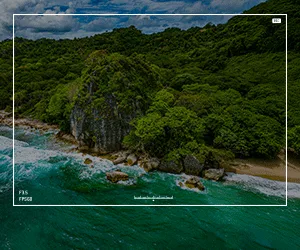
Furthering the "Hub of Production" narrative, the delegation highlighted the logistical advantages of filming in Panama. Beyond its geographic location as the "Bridge of the Americas," the country offers a robust dollarized economy, world-class telecommunications infrastructure, and a variety of landscapes—from dense tropical rainforests and Caribbean beaches to the hyper-modern skyline of Panama City—all within a short driving distance. The presentation of the "Country Brand" (Marca País) on Wednesday focused specifically on these fiscal incentives and the ease of doing business, positioning Panama not just as a filming location, but as a comprehensive service center for post-production and innovation.
Innovation and Infrastructure: The Role of Ciudad del Saber
A unique element of Panama’s pitch to the international community is the involvement of the Ciudad del Saber (City of Knowledge). This technological and business park, located on a former military base near the Panama Canal, plays a crucial role in the country’s innovation ecosystem. César Garrido, president of the Hoja de Bijao Foundation and coordinator of the Panama-MAFIZ agreement, noted that the panel discussions included delegates from the City of Knowledge to highlight the infrastructure available for international firms.
The City of Knowledge offers specialized spaces for companies looking to establish temporary post-production facilities or permanent innovation-focused businesses. By integrating this technological hub into the film industry’s pitch, Panama is signaling that it can support the technical requirements of modern cinema, including visual effects (VFX), sound engineering, and digital distribution. This infrastructure-led approach is intended to reassure international partners that Panama possesses the technical "backbone" necessary to handle complex, high-budget productions that require more than just scenic backdrops.
Chronology of Events and Diplomatic Milestones
The schedule for Panama’s week in Málaga was meticulously planned to maximize networking opportunities and institutional visibility. Following the initial panels on Tuesday, the official Panama Stand was inaugurated, serving as a central meeting point for producers, distributors, and festival programmers. This was followed by a high-profile networking event designed to facilitate direct dialogue between the 40-member Panamanian delegation and their international counterparts.
- Tuesday, March 10: Launch of the "Coproduce with Us" panel and the official opening of the Panama Stand at MAFIZ. This day focused on the legal and financial frameworks of the Panamanian film industry.
- Wednesday, March 11: Presentation of the "Somos Hub de Producción" (We are a Production Hub) panel. This session focused on fiscal incentives and the Country Brand, aimed at attracting foreign investment and production services.
- Thursday, March 12: Dedicated to the "Short Film Corner," featuring the talk "Panama Through its Shorts." This day highlighted the emerging talent and the vital role of short-form storytelling in the national industry.
- Closing Ceremonies: The week culminates with the presentation of the Biznaga de Honor to Panama. This award, the festival’s highest honorary recognition, cements Panama’s status as a key player in the Ibero-American cinematic landscape.
The Thursday sessions were particularly significant for the younger generation of Panamanian filmmakers. The exhibition of short films was accompanied by the announcement of a new strategic alliance between the Hayah International Short Film Festival of Panama, the global distribution platform Festhome, and the Málaga Film Festival. This partnership is expected to create a permanent pipeline for Panamanian short films to reach European markets and festivals, providing a critical stepping stone for directors early in their careers.
Supporting Data: The Growth of the Panamanian Audiovisual Sector
While the Málaga Film Festival serves as a promotional stage, the underlying data supports Panama’s claim of rapid industry growth. In the last five years, Panama has seen a steady increase in the number of national premieres and international awards. Projects like Abner Benaim’s Plaza Catedral (which made the Oscars shortlist for Best International Feature) and the documentary Invasión have demonstrated that Panamanian stories resonate with global audiences.
The Panama Film Commission has reported a significant uptick in foreign production spending within the country. Incentives such as the 25% cash rebate on qualified local spending have proven attractive to major studios and streaming platforms. Furthermore, the national Film Fund (DICINE) has been instrumental in providing seed money for development, production, and post-production. The total investment in the sector, combined with the rising number of co-production treaties, indicates that the industry is moving toward a self-sustaining model. The delegation in Málaga aims to capitalize on this momentum, seeking to double the number of international co-productions involving Panamanian companies by 2027.
Broader Impact and Regional Implications
Panama’s success in Málaga has broader implications for the Central American region, which has traditionally been underrepresented in the global film market. By positioning itself as a leader and a hub, Panama is effectively opening doors for its neighbors. The "Hub of Production" concept implies a regional synergy where Panama serves as the logistical and financial center for stories that span across Central America.
The "Biznaga de Honor" recognition is also a victory for cultural diplomacy. It reinforces Panama’s image as a stable, modern, and culturally vibrant nation, counteracting older stereotypes. For the Ministry of Culture, the festival is a platform to demonstrate that cinema is a powerful tool for soft power, capable of promoting tourism and attracting foreign investment far beyond the film sets.
As the festival concludes, the Panamanian delegation returns with a strengthened network of international contacts and a renewed mandate to finalize legislative reforms. The presence of 40 professionals in Málaga—ranging from government officials to independent producers—signifies a coordinated national strategy that views cinema not just as art, but as a vital pillar of 21st-century economic development. The alliance with the Málaga Film Festival and MAFIZ ensures that Panama’s cinematic voice will continue to be heard on the international stage, fostering a new era of Ibero-American collaboration.

0 Comments