
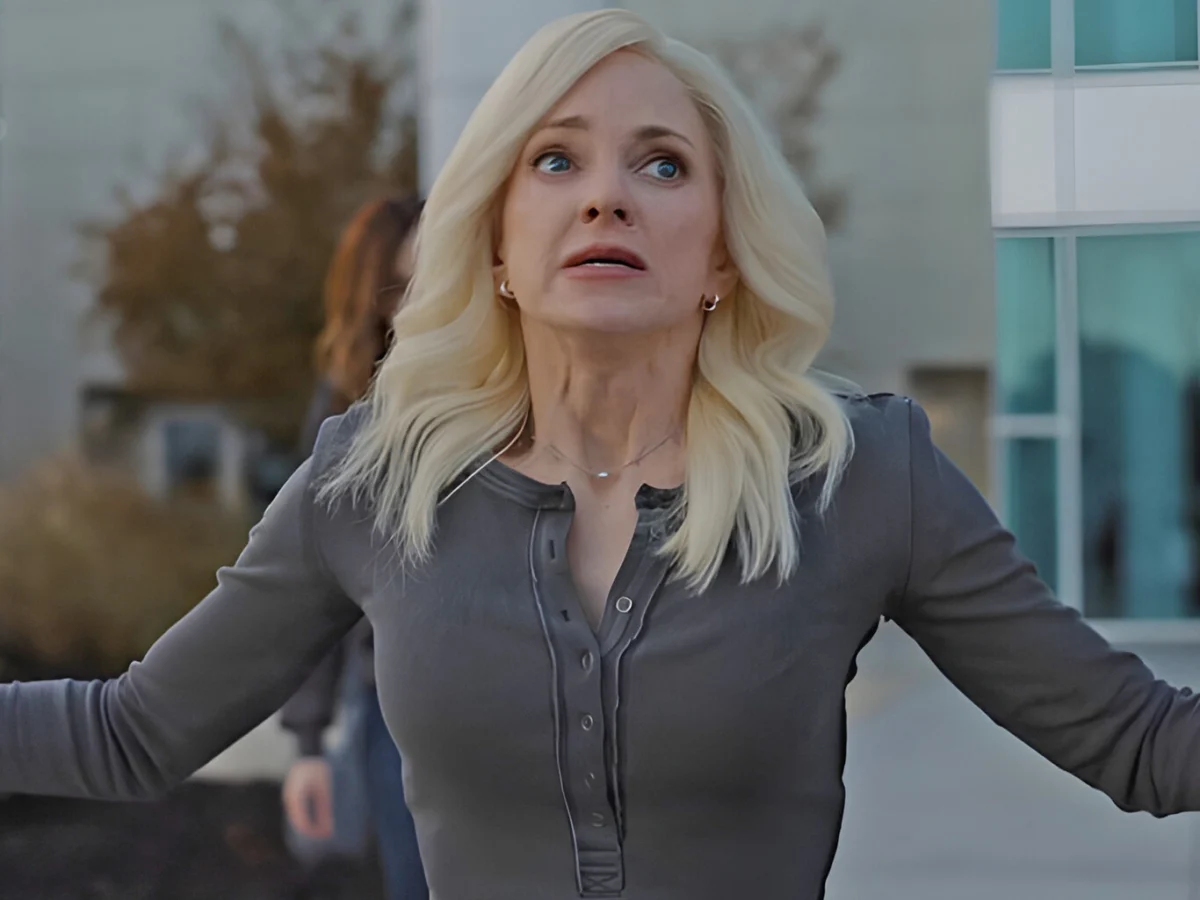
The cinematic landscape has witnessed the return of one of the most commercially successful and culturally polarizing franchises of the early 2000s, as Scary Movie 6 officially transitioned to digital platforms following its theatrical run. After a hiatus lasting exactly 13 years, one month, and 23 days, the Wayans brothers have reclaimed the series they originated, delivering a production that intentionally leans into the "incorrect humor" that defined the brand’s inception. Now available for rent or purchase on Prime Video in Ultra High Definition (UHD), the film’s arrival in the digital market serves as a focal point for a broader discussion regarding the evolution of comedy, the resilience of the spoof genre, and the widening gap between professional critical consensus and general audience reception.
The Historical Context of the Scary Movie Franchise
To understand the significance of Scary Movie 6, one must examine the trajectory of the franchise since its debut in the year 2000. Originally conceived by Keenen Ivory Wayans, Shawn Wayans, and Marlon Wayans, the first Scary Movie was a monumental success, grossing over $278 million worldwide against a modest $19 million budget. It served as a sharp, R-rated satire of the "slasher" revival of the late 90s, specifically targeting Scream and I Know What You Did Last Summer.
However, following Scary Movie 2, the Wayans brothers departed from the franchise due to creative and legal disputes with the studio, then Dimension Films. The subsequent installments, helmed by David Zucker and others, shifted toward a PG-13 rating and broader, more slapstick-oriented humor. While Scary Movie 3 was a financial hit, the quality and commercial returns of the fourth and fifth entries dwindled, leading many to believe the spoof genre had reached its expiration point. The 13-year gap between the fifth and sixth installments was characterized by a shift in cultural sensibilities, where the "gross-out" and "boundary-pushing" humor of the early 2000s was largely replaced by more sterilized, politically conscious comedy. The return of the Wayans brothers in 2026 was thus marketed not just as a sequel, but as a restoration of the franchise’s original, uncompromising DNA.
Chronology of Production and the 2026 Release
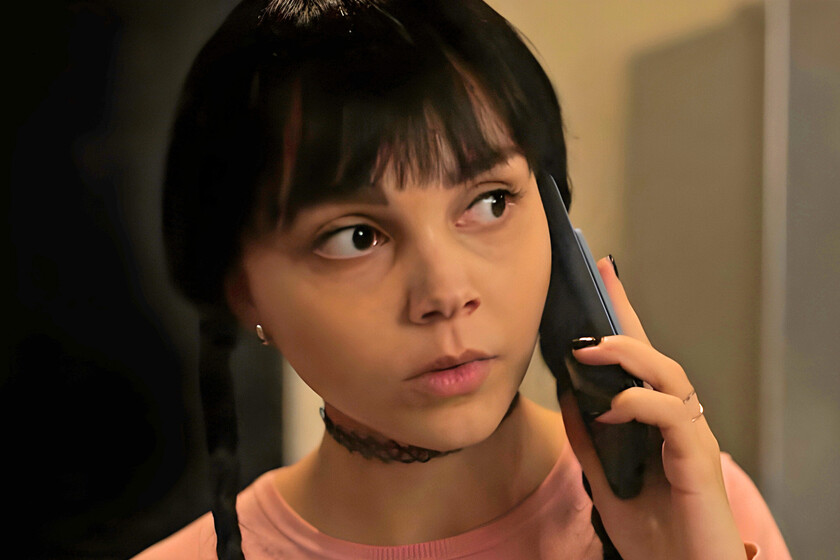
The development of Scary Movie 6 was shrouded in secrecy for several years before being officially fast-tracked in early 2025. The announcement that Anna Faris and Regina Hall would reprise their roles as Cindy Campbell and Brenda Meeks, respectively, served as the primary catalyst for public interest. Production commenced in late 2025 with a lean budget of $30 million—a figure that allowed the creative team significant autonomy while maintaining the "B-movie" aesthetic essential to the parody format.
The film saw its theatrical release in June 2026. Its promotional campaign was built entirely on the premise of being "terrorifically incorrect," a move that analysts suggest was designed to capitalize on "outrage marketing." By positioning the film as a rebellion against modern "cancel culture" and "political correctness," the studio successfully mobilized a nostalgic fanbase. This strategy bore fruit at the box office; despite opening against several high-profile superhero and science fiction blockbusters, Scary Movie 6 secured a global box office total exceeding $231 million. This performance represents a nearly eight-fold return on production costs, reinforcing the viability of mid-budget comedies in an era dominated by tentpole franchises.
A New Era of Parody: Targeting the "Prestige Horror" Wave
The core appeal of the Scary Movie series has always been its ability to distill current cinematic trends into absurd vignettes. Scary Movie 6 focuses its satirical lens on the "elevated horror" movement and the viral hits of the early 2020s. The film features elaborate parodies of critically acclaimed works such as Jordan Peele’s Get Out and Nope, as well as Ari Aster’s Hereditary. By mocking the self-serious nature of these "prestige" horror films, the Wayans brothers found a fresh reservoir of material that had previously been considered "untouchable" by mainstream satire.
Furthermore, the film lampoons recent box office successes and streaming sensations. Notable sequences include a reimagining of the AI-gone-wrong thriller M3GAN, the psychological tension of Smile, and the visceral body horror of the 2024 hit The Substance. The production also returns to its roots by parodying the meta-commentary found in Scream 5 and Scream 6. These references are not merely passing nods; they are deep-dive deconstructions of the tropes that have come to define modern horror, including the "trauma-as-a-metaphor" narrative device and the industry’s reliance on "legacy sequels."

The Critical-Audience Divide and Social Implications
Upon its release, Scary Movie 6 became a lightning rod for critical debate. Professional reviewers largely panned the film, with many arguing that its brand of humor felt dated and excessively reliant on "low-brow" gags. A common critique found in outlets such as Variety suggested that the film’s attempt to be "incorrect" felt forced in a landscape that has moved toward more sophisticated satire. Some critics argued that the film’s reliance on shock value overshadowed its potential for genuine wit.
Conversely, audience metrics told a different story. Exit polls and social media sentiment indicated that viewers appreciated the film’s refusal to adhere to modern social taboos. For many fans, the "outdated" nature of the humor was precisely the point; it served as a nostalgic throwback to an era of cinema where comedy was less scrutinized for its social implications. This divide highlights a growing trend in the entertainment industry where "critic-proof" films find massive success by targeting specific demographics that feel underserved by mainstream, "safe" content.
The Wayans brothers have addressed this friction in various press statements, suggesting that the goal of the film was never to appease the Academy or win critical favor. Instead, the objective was to provide "unfiltered entertainment" that mocks everyone equally. This philosophy of "equal-opportunity offending" has been a cornerstone of their careers, from In Living Color to White Chicks, and Scary Movie 6 represents the modern application of that ethos.
Technical Details and Digital Distribution
The transition to Prime Video marks the next phase of the film’s commercial life. The digital release is presented in UHD, offering a visual clarity that, ironically, highlights the film’s intentional use of practical effects and "cheap" visual gags. A significant draw for the digital version is the inclusion of "unrated" content that was deemed too controversial for the theatrical PG-13 or R-rated cuts in certain territories.
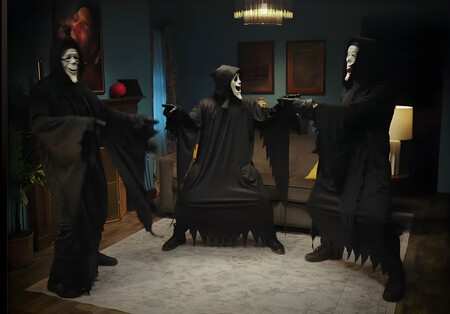
According to the studio, the digital version includes:
- Censored Jokes: Several minutes of dialogue and visual gags that were removed to ensure a wider theatrical distribution.
- Alternate Ending: A different conclusion to the Cindy and Brenda arc that reportedly features even more cameos from the original 2000 cast.
- Deleted Scenes: Extended parodies of films like Terrifier and Sinners that were trimmed for pacing.
The decision to offer these extras is a strategic move to encourage purchases over rentals, a common tactic in the current VOD (Video on Demand) market. For a film that prides itself on being "incorrect," the promise of "uncensored" content is a powerful marketing tool.
Financial Analysis and the Future of the Spoof Genre
The $231 million global take for Scary Movie 6 is a significant data point for industry analysts. It proves that there is still a massive market for theatrical comedy, a genre that many studios have relegated to streaming-only releases over the past decade. The film’s success is attributed to three main factors:
- IP Recognition: The Scary Movie brand remains one of the most recognizable names in comedy.
- Cast Reunion: The return of Anna Faris and Regina Hall provided a sense of legitimacy and "legacy" that Scary Movie 5 lacked.
- Low Production Risk: At a $30 million budget, the break-even point was relatively low, allowing for a high profit margin even with a polarizing reception.
This success is expected to trigger a resurgence in spoof movies. Reports indicate that other dormant parody franchises are currently being evaluated for potential reboots. The broader implication is that "incorrect" humor, when attached to a strong brand and a loyal cast, remains a lucrative asset in the global entertainment economy.

Conclusion: The Cultural Resonance of the Return
Scary Movie 6 is more than just a collection of parodies; it is a cultural artifact that reflects the tensions of the 2020s. By looking back at the 2000s for its comedic structure while looking at the 2020s for its targets, the film bridges two very different eras of Hollywood. Whether the film is viewed as a "regressive" step back for comedy or a "brave" stand against over-sensitization is a matter of individual perspective. However, the data—both financial and in terms of viewership—suggests that the audience’s appetite for the Wayans brothers’ specific brand of chaos has not diminished in the 13 years they were away.
As the film continues to circulate on digital platforms, its impact on the genre will become clearer. For now, Scary Movie 6 stands as a reminder that in the world of cinema, no trend is too prestigious to be mocked, and no franchise is ever truly dead if there is still a joke left to be made at the expense of the status quo. With its arrival on Prime Video, a new audience now has the opportunity to decide for themselves if the "incorrect" return of Cindy, Brenda, and the rest of the crew is the breath of fresh air the comedy genre needed, or a relic of a bygone era.

0 Comments