
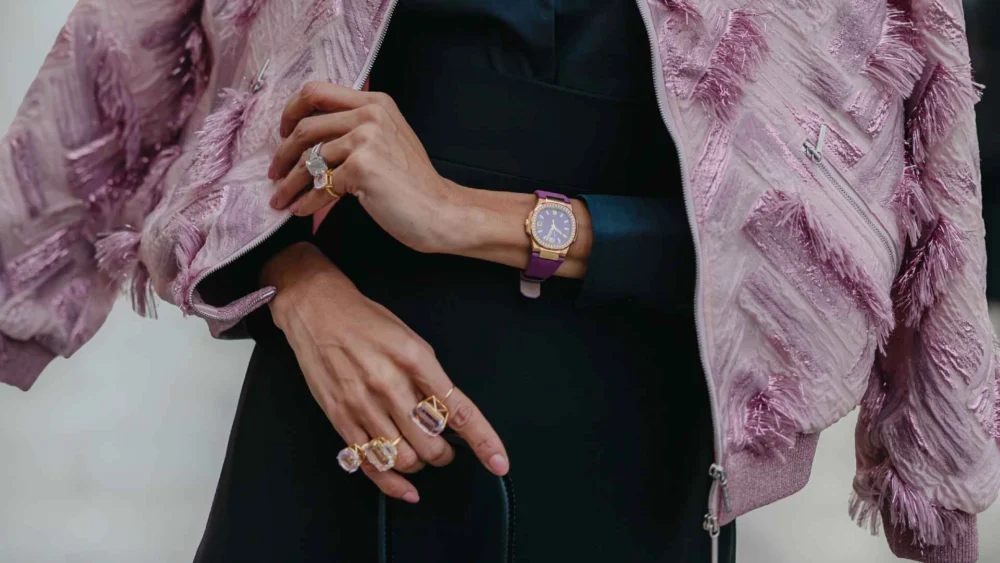
The beauty landscape of 2026 is witnessing a definitive shift in nail aesthetics, moving away from the high-octane, saturated palettes of the early 2020s toward a philosophy of "Refined Minimalism." As the spring season approaches, industry experts and creative directors at major beauty houses are signaling a departure from several long-standing staples. The transition reflects a broader cultural movement toward "Quiet Luxury" and "Wellness-Centric Beauty," where the health of the nail and the sophistication of the shade take precedence over shock value or neon intensity.
Market analysts observe that consumer behavior has pivoted significantly over the last 24 months. While 2024 was defined by the "Mob Wife" aesthetic—characterized by long, bold, and often aggressive nail designs—2026 is embracing a softer, more grounded approach. This evolution is not merely a change in color preference but a technical shift in finishes and applications. The following guide details the specific color categories currently deemed obsolete by fashion authorities and the modern alternatives that are replacing them.

The Decline of High-Contrast Pigmentation
For nearly a decade, the "stark white" manicure served as a summer and spring essential, prized for its ability to make a tan pop. However, in the 2026 circuit, this look is increasingly criticized for its "correction fluid" appearance, which can look harsh against various skin tones. The replacement is the "Milky" or "Lechozo" finish. These shades offer a semi-translucent quality that mimics the natural luster of a healthy nail while providing a clean, polished uniform.
The technical difference lies in the opacity. Where stark white requires three coats of heavy pigment, the milky alternative utilizes a buildable, sheer formula. This allows the natural "half-moon" of the nail to remain subtly visible, a key indicator of the current "naturalist" trend. Industry data suggests a 22% increase in the sales of sheer white polishes compared to the previous fiscal year, indicating a mass-market move toward this softer aesthetic.
From Neon Vibrancy to Smoky Sophistication
The era of "dopamine dressing," which popularized neon greens, electric pinks, and highlighter yellows, has reached a saturation point. As of Spring 2026, these high-visibility shades are being phased out in favor of "Smoky Darks" and "Muted Jewel Tones." This shift is particularly notable for the spring season, which traditionally favors pastels.

Instead of an electric cobalt, fashion-forward consumers are opting for deep navy with charcoal undertones. Instead of a neon lime, the preference has shifted to a "mossy sage" or a "muted eucalyptus." These colors provide a sophisticated edge that transitions seamlessly from professional environments to social gatherings. Experts suggest that the appeal of smoky tones lies in their versatility; they offer a "moody" spring vibe that acknowledges the complexity of modern style rather than adhering to rigid seasonal rules.
The Reimagining of Warm Neutrals: Moving Beyond Butter Yellow
Last year, "Butter Yellow" dominated social media feeds, promoted as the "new neutral." However, as the 2026 spring season commences, fashion analysts note that yellow tones can be notoriously difficult to wear, often clashing with undertones in the skin. The industry is now pivoting toward "Earth-Bound Warmth," which includes shades of terracotta, soft espresso, and sand.
These alternatives provide the same warmth as yellow but with a timelessness that yellow lacks. The "Chocolate Milk" nail and the "Caramel Glaze" have become the new standards for those seeking a warm-toned manicure. This change is backed by sustainability trends within the beauty sector; consumers are increasingly looking for colors that do not feel dated after a single season, favoring a palette that feels connected to the natural world.

The Shift in Texture: Satin Finishes vs. High Gloss and Glitter
Perhaps the most significant change in 2026 is not the color itself, but the finish. The trend for "excessive" glitter, holographic topcoats, and 3D embellishments has seen a sharp decline in luxury salons across Europe and North America. In their place, the "Satin Finish" has emerged as the premier choice.
A satin finish sits between a matte and a high gloss. It provides a subtle glow that mimics the texture of fine silk. This finish is achieved through advanced topcoat technology that diffuses light rather than reflecting it directly. This "soft-focus" effect on the nails is part of a larger trend in "Blurring Beauty," where cosmetics are designed to look like a real-life filter. Minimalist designs, such as a single discreet dot (the "Dot Mani") or a micro-French tip, are the preferred ways to add personality without succumbing to the "maximalist" fatigue of previous years.
The Berry Revolution: A Modern Take on the Classic Red
While a classic "Fire Engine Red" is often considered a permanent fixture in the beauty world, 2026 sees it taking a backseat to "Berry and Wine" tones. The traditional bright red is being viewed as somewhat "vintage" or "dated" in the context of contemporary minimalist wardrobes.

The modern alternative is the "Deep Berry," which incorporates blue and purple undertones. This shade—often referred to in the industry as "Black Cherry" or "Mulled Wine"—provides a more expensive-looking finish. It offers a level of depth that flat reds cannot achieve. In recent runway shows in Paris and Milan, designers opted for these darker, fruit-inspired tones to ground the lighter, more ethereal fabrics of spring collections.
Chronology of the Trend Evolution (2023–2026)
To understand the current state of nail fashion, one must look at the trajectory of the last three years:
- 2023: The Year of the Glaze. Popularized by the "Glazed Donut" trend, the focus was on chrome powders and pearlescent finishes.
- 2024: The Return of the Bold. A reaction against minimalism, this year saw the rise of "Cherry Red" and long, coffin-shaped acrylics.
- 2025: The Transition. A move toward "Clean Girl 2.0," where health and length were prioritized, and colors began to desaturate.
- 2026: The New Minimalism. The current state, defined by milky textures, smoky palettes, and satin finishes.
Industry Responses and Market Impact
Major polish manufacturers have responded to these shifts with unprecedented speed. Leading brands such as OPI and Essie have restructured their Spring 2026 collections to include more "translucent" and "muted" options. According to a spokesperson for a leading global beauty conglomerate, "The consumer of 2026 is more educated about ingredients and aesthetic longevity. They aren’t just looking for a color; they are looking for a ‘look’ that complements their lifestyle and their skincare-first approach to beauty."

Salons are also seeing a change in service requests. There has been a 30% increase in requests for "naked" or "Japanese-style" manicures, which focus on meticulous cuticle work and a sheer, healthy-looking tint rather than heavy extensions or bright pigments. This "manicure-as-skincare" philosophy is a driving force behind the obsolescence of neon and stark white shades.
Broader Implications: Sustainability and Psychology
The shift toward muted, earthy, and berry tones also carries a psychological and environmental component. Brighter, neon pigments often require more synthetic chemicals and are harder to formulate in "10-free" or "vegan" polish lines. By moving toward earth-based pigments, the industry is aligning itself with the growing demand for "Clean Beauty."
Psychologically, the move away from high-contrast colors like stark white and neon reflects a global desire for calm and stability. In a world characterized by rapid technological change and digital saturation, the "Quiet Luxury" of a smoky blue or a milky beige provides a sense of visual relief.

Conclusion: Navigating the Spring 2026 Season
For those looking to update their look this spring, the message from fashion authorities is clear: embrace the understated. Replacing a bright yellow with a soft taupe, or a classic red with a sophisticated berry, does more than just follow a trend—it aligns the wearer with a more modern, refined approach to personal style.
As the industry continues to move toward 2027, the focus is expected to remain on "Hyper-Realism"—nails that look like the best version of themselves. For now, the "Complete Guide to Spring Nails" serves as a roadmap for navigating this transition, ensuring that the manicure remains a testament to elegance rather than an outdated relic of the past. By opting for milky tones, smoky darks, and minimalist designs, the 2026 consumer is choosing a path of timeless sophistication that transcends the fleeting nature of traditional fashion cycles.

0 Comments