
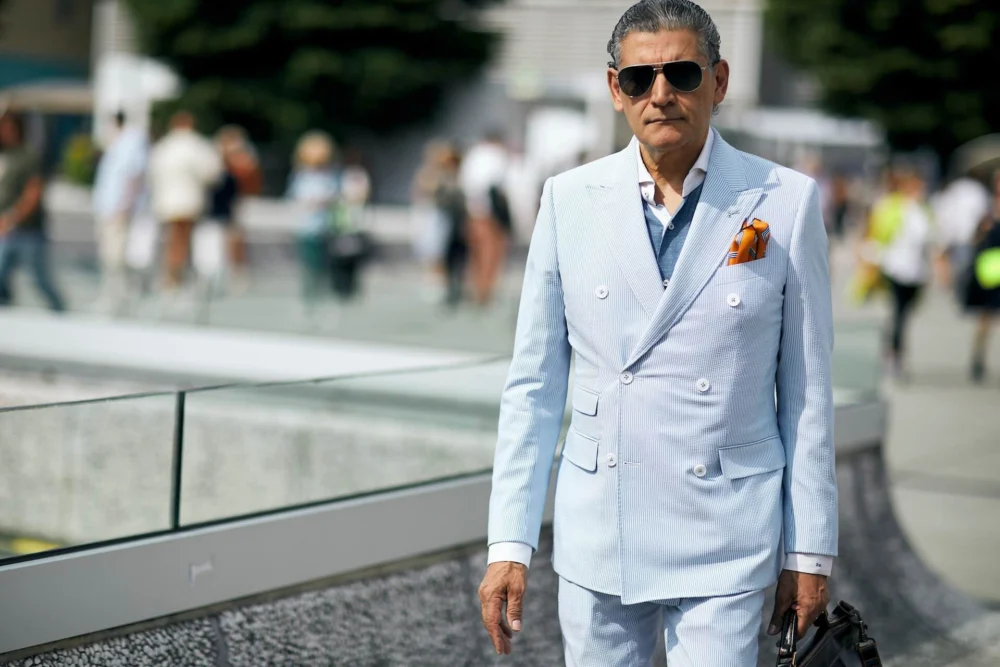
As the calendar turns toward mid-March, the global fragrance industry and retail sectors are witnessing a significant shift in consumer preferences ahead of Father’s Day on March 19. This year, the traditional reliance on safe, citrus-heavy scents is being supplanted by a demand for "presence-driven" fragrances characterized by complex gourmand notes, spicy roots, and synthetic wood molecules. Leading this transition are major fashion houses and specialized perfumery brands, which are increasingly targeting the "sophisticated urbanite" demographic—a consumer base that seeks versatility, longevity, and a distinct olfactory identity.
The commercial landscape for March 2026 highlights a strategic push toward fragrances that blend culinary elements, such as roasted coffee, with traditional resins and woods. Industry analysts note that the modern father is no longer viewed through a singular lens of traditionalism; instead, the market is catering to a multifaceted identity that balances professional environments with informal, high-energy social settings. This shift is exemplified by the recent market performance of flagship releases from Moschino and Halloween, both of which have utilized aggressive pricing strategies and innovative ingredient profiles to capture the seasonal surge in gift-buying.

The Strategic Shift in Masculine Olfactory Profiles
Historically, masculine perfumery was dominated by the "fougère" family—scents characterized by lavender, oakmoss, and coumarin—or heavy aquatic profiles that peaked in the late 1990s and early 2000s. However, the 2026 data suggests a maturation of the market. According to recent retail reports from major European distributors, there is a 15% year-over-year increase in the sale of "dark gourmand" scents for men. These compositions move away from the cloying sweetness often associated with feminine gourmands, instead utilizing bitter, toasted, or spicy edible notes to create a sense of warmth and authority.
The introduction of coffee as a central pillar in masculine fragrance is not entirely new, but its application in 2026 has become more nuanced. Rather than a simple "latte" accord, modern perfumers are utilizing CO2 extraction methods to replicate the scent of freshly ground beans or the dry, acidic profile of a dark roast. This provides a bridge between the invigorating freshness required for morning wear and the depth necessary for evening events.
Case Study: Moschino’s Toy Boy 2 and the Use of Akigalawood
Moschino, under its continued reputation for blending high-fashion irony with technical excellence, has positioned Toy Boy 2 as a cornerstone of the 2026 Father’s Day season. Encased in the brand’s signature black lacquered teddy bear bottle, the fragrance represents a technical achievement in the balance of spicy and woody accords.

The composition opens with a sharp, photorealistic ginger note. Unlike the candied ginger found in many mass-market releases, this iteration provides a "root-to-skin" experience, mimicking the piquancy of freshly sliced rhizomes. This is immediately supported by nutmeg, which introduces a dry, textured woodiness. The heart of the fragrance is where the strategic "coffee" note resides. By blending a roasted coffee accord with Akigalawood—a captive molecule developed by Givaudan through an enzymatic process on patchouli—the scent achieves a "peppered wood" finish that is both synthetic and deeply organic.
Akigalawood is particularly significant in the 2026 market. As a "clean" alternative to traditional patchouli, it offers the spiciness of oud and the earthiness of wood without the heavy, damp characteristics that can sometimes polarize consumers. The base of Toy Boy 2 utilizes myrrh and vetiver, providing a resinous, balsamic dry-down that ensures the fragrance remains on the skin for eight to ten hours—a key metric for consumers who prioritize "performance" in their luxury purchases.
Competitive Pricing and Retail Dynamics
The 2026 season is also defined by a fierce price war among prestige retailers. Data from Druni, one of Spain’s leading beauty retailers, shows that high-end masculine fragrances are being discounted by upwards of 50% to capture the early March shopping window. For instance, Moschino’s Toy Boy 2, originally positioned at a luxury price point of €121, has been seen retailing for approximately €49.95.

This aggressive discounting reflects a broader economic trend: while consumers are willing to invest in premium brands, they are increasingly price-sensitive and wait for seasonal "doorbuster" deals. Retailers have responded by bundling these fragrances with "gift with purchase" (GWP) items or loyalty point multipliers, further incentivizing the shift from traditional physical gifts (like apparel or electronics) toward the "liquid luxury" of perfume.
The Urban Nightlife Influence: Halloween Man X
While Moschino targets the "sophisticated" segment, the Halloween brand—originating from the creative house of Jesús del Pozo—continues to dominate the "urban nightlife" niche with Man X. This fragrance serves as a prime example of the "Addictive Oriental" category, which has seen a resurgence among younger fathers and millennial men.
Man X utilizes a complex layering of cardamom, lemon, and lavender in its opening to provide a "clean" facade. However, the heart of the fragrance introduces a "Black Jack" accord—a mixture of coffee, whisky, cinnamon, and leather. The use of a whisky note, which evokes the aroma of charred oak barrels and aged spirits, adds a layer of maturity that balances the sweetness of the cinnamon.

The base notes of tonka bean and incense provide a smoky, almond-like finish that mirrors the "ambery" trends seen in niche perfumery. Currently retailing at Primor for approximately €24.94 (down from a standard €56), Man X represents the high-value segment of the market, offering a complex, multi-stage olfactory journey at a fraction of the cost of artisanal brands.
Supporting Data: The Growth of Men’s Grooming
The focus on fragrance for Father’s Day is backed by robust industry growth. According to global market research, the men’s fragrance market is projected to reach an annual valuation of over $19 billion by the end of 2026. Within this, the "prestige" segment is growing at twice the rate of the "mass-market" segment, indicating that consumers are trading up for better ingredients and brand prestige.
Furthermore, consumer surveys conducted in early 2026 indicate that 68% of gift-buyers prefer perfume because it "carries an emotional memory." This psychological aspect of perfumery—the link between scent and the limbic system—is a primary driver for Father’s Day sales. A fragrance is not merely a cosmetic product; it is an invisible accessory that defines a father’s presence in the household and the workplace.

Environmental and Sustainability Implications
As the industry expands, the 2026 season has also brought a renewed focus on the sourcing of ingredients like vetiver and myrrh. Vetiver, a perennial grass native to India and widely cultivated in Haiti, is a staple of masculine scents. However, climate volatility has made its supply chain fragile. Leading fragrance houses have responded by implementing "Sourcing for Shared Value" programs, ensuring that the vetiver used in fragrances like Toy Boy 2 is harvested in a way that supports local farming communities and preserves soil health.
Similarly, the use of synthetic molecules like Akigalawood is being marketed as a "green" choice. Because these molecules are created in a laboratory setting using biotechnology, they reduce the need for large-scale land use and the over-harvesting of endangered wood species. This "Bio-Tech Beauty" narrative is increasingly resonating with the eco-conscious Gen Z and Millennial cohort, who are now the primary buyers of Father’s Day gifts.
Chronology of a Gift: From Launch to Legacy
The lifecycle of a Father’s Day fragrance usually begins in January, when brands announce new flankers or limited editions. By February, marketing campaigns featuring high-profile ambassadors—often athletes or actors—saturate social media and traditional media outlets. In March, the focus shifts to the "retail theater," where department stores and online platforms deploy deep discounts to clear inventory before the spring/summer transition.

The 2026 timeline shows that the most successful brands are those that have maintained a consistent "story" throughout the year. Moschino’s use of the teddy bear icon, for example, has created a collectible aspect to the brand. Many consumers who purchased the original Toy Boy are now returning for the second iteration, treating the bottle as a design object as much as a fragrance.
Analysis of the Broader Impact
The trends observed in March 2026 suggest that masculine perfumery is entering a "New Baroque" period. We are moving away from the minimalism of the 2010s toward scents that are unashamedly bold, complex, and high-performing. The popularity of ingredients like coffee and whisky reflects a desire for "comfort" and "familiarity" in an increasingly digital and fast-paced world.
For the retail sector, the success of these fragrances confirms that the "Father’s Day" peak is a critical liquidity event. It serves as a barometer for the health of the luxury goods market. If consumers are willing to spend on premium fragrances despite broader inflationary pressures, it indicates a resilient appetite for affordable luxuries.

As March 19 approaches, the convergence of innovative chemistry, strategic discounting, and a shift toward "urban elegance" has defined the 2026 landscape. Whether through the spicy, woody sophistication of Moschino or the leathery, caffeinated intensity of Halloween, the fragrances of this season are designed to leave a lasting impression—turning a simple gift into a permanent part of a father’s identity. The modern father, it seems, is no longer content with "nothing"; he is looking for a scent that tells a story of where he has been and where he is going.

0 Comments