
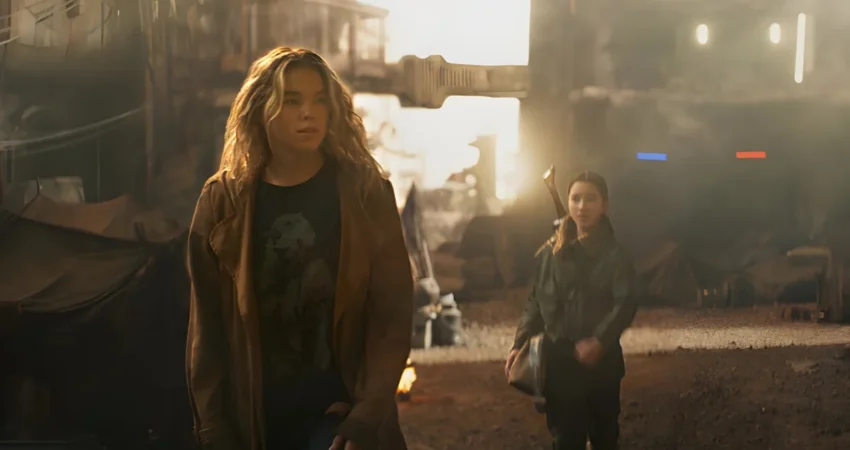
The cinematic landscape of the newly minted DC Universe (DCU) has encountered its first significant hurdle as Supergirl: Woman of Tomorrow, the second feature film under the leadership of James Gunn and Peter Safran, transitions to digital streaming. Following a theatrical run that failed to meet financial expectations, the film arrived on HBO Max 76 days after its initial premiere. Starring Milly Alcock in the titular role, the production represents a tonal departure from traditional superhero narratives, opting for a gritty, psychological "space western" aesthetic that has sparked intense debate among fans and industry analysts alike. While the film’s theatrical earnings were underwhelming, its arrival on streaming platforms marks a pivotal moment for DC Studios as it seeks to cultivate a dedicated audience for its long-term storytelling roadmap.
Financial Performance and the Summer 2026 Competitive Landscape
The commercial failure of Supergirl: Woman of Tomorrow has been a subject of extensive scrutiny within the film industry. Produced with a substantial budget of approximately $180 million—excluding marketing and distribution costs—the film grossed only $126 million globally. By traditional Hollywood accounting standards, which generally require a film to earn 2.5 times its production budget to reach a break-even point, the project represents a significant loss for Warner Bros. Discovery and DC Studios.
Several external factors contributed to this financial shortfall. The summer of 2026 was notably crowded with high-profile releases that vied for the same demographic. Supergirl faced direct competition from established family-friendly franchises such as Toy Story 5 and Minions & Monsters, as well as high-concept sci-fi and action entries like Disclosure Day and the rebooted Masters of the Universe. This saturation of the "tentpole" market led to a fragmented audience, making it difficult for a darker, more experimental superhero film to gain the necessary momentum. Additionally, industry experts point toward a persisting "superhero fatigue," where audiences have become increasingly selective about which comic book adaptations they support theatrically, often favoring established sequels over new iterations or tonal shifts.

A Narrative Departure: Adapting the Vision of Tom King
Despite its financial struggles, Supergirl: Woman of Tomorrow has garnered a vocal contingent of defenders who praise the film’s adherence to its source material. The movie is a near-literal adaptation of the critically acclaimed 2021-2022 comic book miniseries written by Tom King and illustrated by Bilquis Evely. Unlike previous iterations of Kara Zor-El, which often portrayed her as a more youthful or optimistic counterpart to her cousin, Superman, King’s version—and consequently Alcock’s portrayal—is defined by trauma and world-weariness.
The narrative centers on a Kara Zor-El who is vastly different from Clark Kent. While Clark was sent to Earth as an infant and raised in a nurturing environment, Kara spent the first fourteen years of her life on a drifting fragment of Krypton, witnessing the slow, agonizing death of her civilization and everyone she knew. This backstory results in a character who is cynical, prone to alcohol use, and emotionally distant. The film captures this "broken" state, presenting a protagonist who is ruda (rough) and resentful, yet fundamentally driven by a lingering sense of justice.
The story follows Kara and a young alien girl named Ruthye, who is seeking revenge against a villainous brigand named Krem of the Yellow Hills. Krem is responsible for the murder of Ruthye’s father and the poisoning of Krypto the Superdog. The film’s structure as a space western—complete with desolate landscapes, bounty-hunting themes, and a focus on personal honor—distinguishes it from the bright, urban heroics typically associated with the DC brand.
Chronology of Development and Release
The journey of Supergirl: Woman of Tomorrow began shortly after James Gunn and Peter Safran were appointed co-CEOs of DC Studios in late 2022. As part of their "Chapter One: Gods and Monsters" announcement in early 2023, the project was highlighted as a cornerstone of the new continuity.

- January 2023: DC Studios officially announces Supergirl: Woman of Tomorrow as part of the initial DCU slate.
- January 2024: Following an extensive casting search, Milly Alcock, known for her breakout role in House of the Dragon, is cast as Kara Zor-El.
- Late 2024 – Early 2025: Principal photography takes place, utilizing advanced virtual production technology to bring the surreal alien worlds of Tom King’s comic to life.
- June 2026: The film premieres in theaters worldwide. Initial tracking suggests a modest opening, but the film struggles to maintain legs against summer blockbusters.
- August 2026: After 76 days of theatrical exclusivity, the film is released on HBO Max (and other regional streaming equivalents) for home viewing.
This timeline reflects a relatively efficient production cycle for a modern blockbuster, yet the 76-day window to streaming indicates a strategic shift by Warner Bros. Discovery to recoup losses and capitalize on the film’s potential as a "cult classic" in the digital space.
Critical Reception vs. Audience Sentiment
The reception of the film has been characterized by a notable divide between professional critics and the general public. On review aggregator sites like Rotten Tomatoes, Supergirl: Woman of Tomorrow holds a 53% "Rotten" rating from critics, contrasted with a 72% "Fresh" audience score.
Critics largely took issue with the film’s pacing and its bleak tone, with some arguing that the "space western" aesthetic felt disconnected from the broader DC Universe. Reviews frequently cited the film’s violence and psychological weight as potential deterrents for younger viewers who might have expected a more traditional Supergirl adventure.
Conversely, audiences and comic book aficionados have championed the film for its bravery. Supporters argue that the film’s refusal to sanitize Kara’s trauma is its greatest strength. Many have noted that Milly Alcock’s performance captures the nuance of a character who is "totally broken" but still chooses to do what is right. The chemistry between Alcock and the actress playing Ruthye has also been highlighted as a high point, providing the film with an emotional core that transcends its genre trappings.
Broader Implications for the DC Universe
The underperformance of Supergirl: Woman of Tomorrow raises questions regarding the future strategy of DC Studios. As the second film in the new DCU, following the 2025 Superman reboot, its failure to capture the box office suggests that the "Gunn-verse" may face an uphill battle in regaining the trust of a cynical public. The previous decade of DC films was marked by inconsistent quality and frequent leadership changes, creating a "brand tax" that new projects must now overcome.
However, industry analysts suggest that the film’s performance might not be a total indictment of Gunn’s vision. The decision to lead with a high-concept, auteur-driven adaptation like Woman of Tomorrow demonstrates a willingness to take creative risks that could pay off in the long run by establishing the DCU as a home for diverse storytelling styles. If the film finds a substantial and loyal audience on HBO Max, it could validate the studio’s "quality over quantity" approach, even if the initial theatrical numbers were disappointing.
The film’s arrival on streaming serves as a litmus test for the viability of the DCU’s secondary characters. While Superman and Batman remain safe bets for theatrical success, characters like Supergirl require a different metric of engagement. The data gathered from HBO Max viewership—including completion rates and repeat viewings—will likely influence how DC Studios handles future "risky" projects, such as The Authority or Swamp Thing.
Conclusion and Future Outlook
Supergirl: Woman of Tomorrow remains a polarizing entry in the modern superhero canon. Its transition to HBO Max represents a second chance for a film that dared to be different in an era of formulaic blockbusters. Whether it will be remembered as a noble failure or a misunderstood masterpiece depends largely on its reception in the streaming era. For now, it stands as a testament to James Gunn’s commitment to adapting comic books with a specific, uncompromising voice, even when that voice challenges the expectations of the mainstream market. As DC Studios moves forward with its ambitious slate, the lessons learned from Kara Zor-El’s journey across the stars will undoubtedly shape the trajectory of the heroes yet to come.

0 Comments