
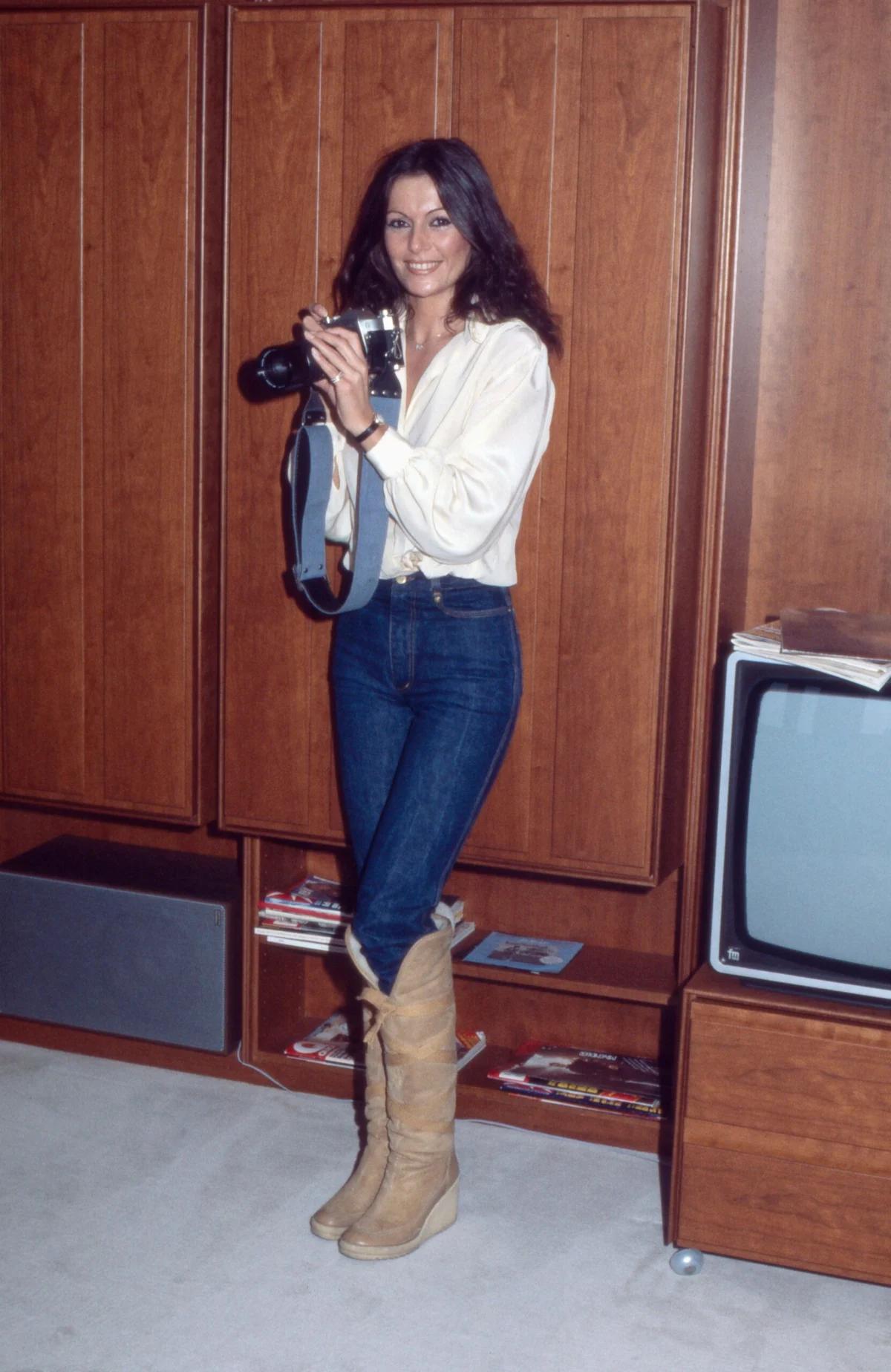
The global fashion landscape for the Spring-Summer 2026 season is undergoing a significant transformation, characterized by a deliberate return to the aesthetic principles of the 1970s. This shift, observed across major international runways from Paris to New York, marks a departure from the minimalist, streamlined silhouettes of previous years, favoring instead the liberated proportions and dramatic flair that defined the mid-to-late 20th century. Industry analysts and creative directors alike are noting that the "more is more" philosophy is reclaiming its place in the modern wardrobe, particularly through the strategic pairing of high-heeled boots, oversized denim, and intricate blouses.

The Aesthetic Shift: Embracing 1970s Liberated Proportions
The re-emergence of 1970s fashion in 2026 is not merely a nostalgic exercise but a sophisticated reinterpretation of the decade’s core values: freedom of movement, exaggerated scale, and a lack of inhibition in self-presentation. During the original era, fashion served as a vehicle for individual expression following the rigid structures of previous decades. Today, designers are tapping into that same desire for liberation, utilizing denim as a primary medium for this exploration.
The Spring-Summer 2026 collections demonstrate a move toward wider legs, higher waists, and textural diversity. The revival emphasizes a silhouette that demands attention, contrasting the casual nature of denim with the formal elevation of high-heeled footwear. This juxtaposition is the cornerstone of the season, creating a look that is both relaxed and meticulously curated.

Runway Precedents: Marc Jacobs and Proenza Schouler Lead the Footwear Charge
The definitive signal for this trend appeared on the runways of Proenza Schouler and Marc Jacobs, where footwear played a pivotal role in anchoring the 70s-inspired ensembles. These designers have successfully reintroduced the high-heeled boot as a essential summer accessory, effectively challenging the long-standing industry norm that boots are reserved exclusively for the autumn and winter months.
Proenza Schouler’s collection highlighted sleek, pointed-toe boots that offered a sharp contrast to the softened edges of contemporary sportswear. Meanwhile, Marc Jacobs leaned into the theatricality of the 70s, utilizing block heels and vibrant textures to complement oversized trousers. The presence of these iconic footwear styles on the runway confirms that the industry is prioritizing a "sexy and slightly dramatic" aesthetic for 2026, one that elevates even the most utilitarian denim pieces into high-fashion statements.

The Evolution of Denim: From Functional to Formidable
For Spring-Summer 2026, denim is being treated with the reverence typically reserved for evening wear. The trends indicate three primary cuts that will dominate the market: flared, straight, and exaggeratedly baggy.
- Flared Jeans: The quintessential 70s staple, the flare, has returned with a focus on lengthening the leg. When paired with a heel, the hemline often skims the floor, creating an unbroken vertical line that provides a statuesque appearance.
- Straight-Leg Jeans: For those seeking a more classic approach, the high-waisted straight-leg jean offers a vintage reference that remains highly versatile. This cut serves as a canvas for more elaborate tops and structured footwear.
- Baggy and Wide-Leg Jeans: The "relaxed" movement continues to gain momentum, but with a refined twist. The baggy jeans of 2026 are not merely oversized; they are architecturally constructed to provide volume without sacrificing style. The contrast between the ruggedness of distressed denim and the elegance of a stiletto or block-heeled boot is a defining characteristic of the current season.
Industry data suggests that consumer interest in "relaxed fit" and "wide leg" denim has increased by 45% compared to the same period in 2024, indicating a decisive move away from the skinny jean silhouette that dominated the early 2010s.

The Summer Boot Phenomenon: Challenging Seasonal Orthodoxy
One of the most notable developments in the Spring-Summer 2026 season is the normalization of high boots in warm-weather climates. Historically, summer footwear has been dominated by sandals, espadrilles, and lightweight sneakers. However, the current trend cycle favors the "summer boot"—a concept that relies on textural contrast and stylistic bravado.
Fashion historians note that the 1970s were the first era to truly embrace the boot as a year-round accessory, often seen paired with miniskirts or tucked into wide trousers. By reintroducing this in 2026, designers are breaking the seasonal barrier once again. These boots are often rendered in lighter shades—beige, camel, and cream—or crafted from breathable suedes and treated leathers to accommodate higher temperatures. The psychological impact of the boot in summer is one of intentionality; it suggests a wearer who is willing to prioritize aesthetic impact over traditional comfort.

Elegant Counterpoints: Blouses as the Balancing Element
To prevent the heavy denim and bold footwear from feeling overly masculine or utilitarian, the Spring-Summer 2026 trend relies heavily on the "elegant blouse." These garments provide a necessary softness to the 70s-inspired look. Key design elements include:
- Lace and Transparencies: Utilizing delicate fabrics to create a romantic, bohemian feel.
- Pussy-Bows and Ties: Adding a touch of 70s office-wear sophistication.
- Volume Sleeves: Bishop and bell sleeves that mirror the volume of the flared jeans.
- Drapery: Soft folds that add movement and a sense of luxury.
The integration of these feminine structures ensures that the overall outfit remains balanced. A high-heeled boot can feel "heavy" in a summer context, but when paired with a sheer lace blouse or a silk draped top, the ensemble achieves a sophisticated equilibrium.

Curated Ensembles: Five Definitive Looks for Spring-Summer 2026
The following combinations have been identified by fashion editors and stylists as the blueprint for the 1970s revival this season.
1. The Romantic Flare
This look pairs brown suede boots with high-waisted flared jeans and a white lace blouse. The boots are largely hidden beneath the flare, appearing only during movement, which serves to elongate the wearer’s proportions. This ensemble successfully bridges the gap between bohemian ease and polished elegance.

2. The Architectural Baggy
In a move that challenges traditional proportions, baggy jeans are tucked into tall beige boots. This creates an intentional volume at the knee and calf, which is then balanced by a draped cream blouse and a structured blazer. This look is cited as a prime example of how 70s references are being adapted for a 2026 audience.
3. The Modern Edgy
Combining distressed wide-leg jeans with sharp, pointed-toe black boots and a graphic or semi-transparent tee. This outfit leans into the "rock and roll" side of the 1970s, prioritizing contrast and texture. The sleekness of the boot prevents the oversized denim from appearing unkempt.

4. The Classic Professional
Straight-leg indigo jeans paired with brown block-heel boots and a checkered blouse featuring a neck tie. This is a highly functional look suitable for professional environments, offering a vintage-inspired alternative to the standard suit while maintaining a high level of sophistication.
5. The Minimalist Maximalist
Wide-leg jeans paired with a structured white shirt and an overlay top. The boots in this instance are used to anchor the layers, providing a solid foundation for an outfit that plays with multiple hemlines and textures.

Market Implications and the "More is More" Philosophy
The shift toward 1970s maximalism has significant implications for the retail sector. High-end brands such as Valentino, Saint Laurent, and Aquazurra are reporting a surge in demand for knee-high and over-the-knee boots in their spring pre-orders. Retailers are also adjusting their inventory to include a higher percentage of wide-leg denim, with some major chains reducing their stock of slim-fit trousers by as much as 30%.
This trend also reflects a broader cultural desire for "effortful" dressing. Following years of "athleisure" and "quiet luxury," consumers are demonstrating a renewed interest in outfits that feel "dressed up." The 1970s attitude—where getting ready was an event in itself—is resonating with a generation that views fashion as a form of performance and personal branding.

Sustainable Denim and the Vintage Resale Surge
An additional factor driving the 70s revival is the growth of the vintage and resale market. Platforms like Depop, Vestiaire Collective, and The RealReal have seen a 60% increase in searches for "70s vintage denim" and "block heel boots" over the last six months. This consumer behavior aligns with a growing emphasis on sustainability; rather than purchasing new "retro-style" garments, many are seeking original pieces from the era.
Furthermore, denim manufacturers are responding to this trend by developing more sustainable washing and distressing techniques. The "vintage look" of Spring-Summer 2026 is often achieved through laser-aging and eco-friendly dyes, allowing consumers to embrace the 70s aesthetic without the environmental footprint associated with traditional denim production.

Conclusion: A Decade Redefined
The Spring-Summer 2026 season marks a definitive turning point in contemporary fashion. By embracing the dramatic silhouettes of the 1970s, the industry is moving toward a more expressive, inclusive, and visually stimulating future. The combination of jeans, boots, and elegant blouses is more than just a trend; it is a statement on the enduring power of classic proportions and the cyclical nature of style. As the season progresses, the influence of the "Me Decade" is expected to expand, further cementing its role as the primary inspiration for the mid-2020s fashion landscape.

0 Comments