
The fashion landscape of late 2026 is poised to undergo a significant transformation as the industry fully embraces a maximalist resurgence, specifically drawing from the vibrant and empowering aesthetics of the 1980s. According to market forecasts and the recently unveiled Autumn-Winter 2026 Ready-to-Wear guides, the centerpiece of this movement is the return of the colored blouse, reimagined for a modern audience through strategic pairings with straight-leg, flared, and baggy denim. This shift marks a departure from the "quiet luxury" and minimalism that dominated the early 2020s, signaling a consumer desire for self-expression, bold color palettes, and sartorial empowerment.

The 1980s represented a pivotal era of color, innovation, and social change. It was a decade where the "power suit" and Lycra redefined the silhouette, and the global population began to experiment with clothing as a tool for personal agency. As we approach September 2026, these historical influences are converging with contemporary textile technology to create versatile looks that transition seamlessly from professional environments to casual social settings. The revival is not merely a nostalgic exercise but a calculated response to a decade-long cycle in fashion, where the rebellious spirit of the 80s provides a necessary antithesis to the sterile digital aesthetics of the recent past.
The Historical Context of the 1980s Fashion Revolution
To understand why the 1980s aesthetic is dominating the 2026 runways, one must look at the socio-economic factors of that era. The 80s were characterized by "Power Dressing," a movement that allowed women to assert their presence in corporate spaces previously dominated by men. Icons such as Lady Diana, Madonna, and Grace Jones utilized fashion to project strength and individuality. The colored blouse, often featuring structured shoulders, intricate draping, or provocative textures like sequins and lace, was the cornerstone of this wardrobe.

Fashion historians note that the 20-year and 40-year cycles are currently aligning. While the early 2000s (Y2K) trend has seen its peak, the 40-year "grand cycle" brings the 1980s back into focus. Analysts suggest that the economic climate of 2026, much like the mid-80s, is driving consumers toward "dopamine dressing"—the use of bright colors and bold patterns to improve mood and project confidence. The return of these styles in September 2026 reflects a broader cultural shift toward reclaiming physical spaces and personal identity in an increasingly automated world.
Sequined Brilliance: The Jane Fonda Influence and Baggy Denim
One of the most prominent trends for the Autumn-Winter 2026 season is the integration of sequins into daytime wardrobes. Traditionally reserved for evening galas and red carpets—a standard set by 80s icons like Jane Fonda—the sequined blouse is being recontextualized for 2026 through the use of baggy jeans. Jane Fonda’s influence on the 80s was multifaceted, blending the high-glamour of Hollywood with the burgeoning fitness movement. Her ability to transition between these worlds is the blueprint for the modern "high-low" fashion mix.

The 2026 iteration of this look involves a multi-colored sequined blouse paired with oversized, baggy denim. This combination balances the inherent "weight" and shine of the sequins with the casual, grounded nature of the baggy silhouette. Data from retail trend reports suggests that baggy jeans have seen a 35% increase in market share over the last two years, as consumers prioritize comfort without sacrificing style. By pairing these with sequins, designers are offering a "day-to-night" solution that allows the wearer to move from a creative office environment to a social event without a change of attire. Brands like Dries van Noten have already begun showcasing these textures, emphasizing that sequins are no longer a seasonal or time-specific embellishment but a staple of the modern expressive wardrobe.
The Victorian Revival: Prince and the Neutrality of Straight Jeans
The 1980s were also a decade of romanticism and gender-fluidity, pioneered by artists like Prince. The "Purple Rain" singer was a master of the Victorian-style blouse, characterized by high collars, ruffles, and intricate lace. In September 2026, the Victorian blouse is returning as a sophisticated alternative to the basic button-down. While these blouses are often rendered in classic white, they serve as a versatile canvas for the bold accessories and heavy outerwear typical of the Autumn-Winter season.

The recommended pairing for the Victorian blouse in 2026 is the straight-leg jean. Unlike the baggy or flared variants, the straight-leg jean provides a neutral, structured base that directs visual attention to the blouse’s complex textures. This combination bridges the gap between historical costume and contemporary streetwear. Fashion analysts observe that the straight-leg jean remains the most stable denim silhouette in terms of consumer sales, appealing to a wide demographic ranging from Gen Z to Baby Boomers. The inclusion of the Victorian blouse adds a layer of "soft power" to the look, allowing for an aesthetic that is both disciplined and artistic.
Draped Silhouettes and the Return of the Flare
Draped blouses featuring vibrant, multi-colored stripes are another essential element of the 2026 revival. Popularized by 80s muses such as Susan Anton, these pieces offer a lighter, more fluid aesthetic compared to the structured power suit. The draping technique, which emphasizes the natural movement of the fabric, is being paired with flared jeans to create a "total look" that elongates the figure and references the late-disco influence of the early 80s.

The flared jean, or "bootcut," serves a functional purpose in this ensemble. When paired with high boots—another 80s staple—the look becomes an "all-terrain" outfit suitable for the colder months of September and October. Retail data indicates that the "flare" silhouette is particularly popular in the premium denim sector, where consumers are willing to invest in high-quality fabrics that maintain their shape. The synergy between the draped blouse and the flared jean creates a sense of effortless chic, a "refined retro" that appeals to the 2026 consumer’s desire for timeless yet distinct clothing.
Transparency and Provocation: The Tina Turner Legacy
Tina Turner’s influence on 80s fashion was defined by her use of dark colors, leather, and sheer fabrics. Her "Rock ‘n’ Roll" aesthetic challenged the conventions of the time, proving that dark tones could be just as impactful as neon. For the Autumn-Winter 2026 season, sheer black blouses are emerging as a key trend, supported by runway presentations from major fashion houses such as Chloé, Miu Miu, and Givenchy.

In the 2026 context, transparency is being handled with a sophisticated balance of provocation and modesty. These blouses are frequently styled with high-waisted, straight-leg jeans in dark washes or black denim. The use of high-waisted silhouettes allows the wearer to control the level of exposure, while the addition of blazers with pronounced shoulder pads—another hallmark of the Turner era—adds a layer of structural authority. This look is particularly resonant in the current "office-to-club" culture, where the boundaries between professional and personal life are increasingly blurred.
Red Power Blouses and the Lady Di Factor
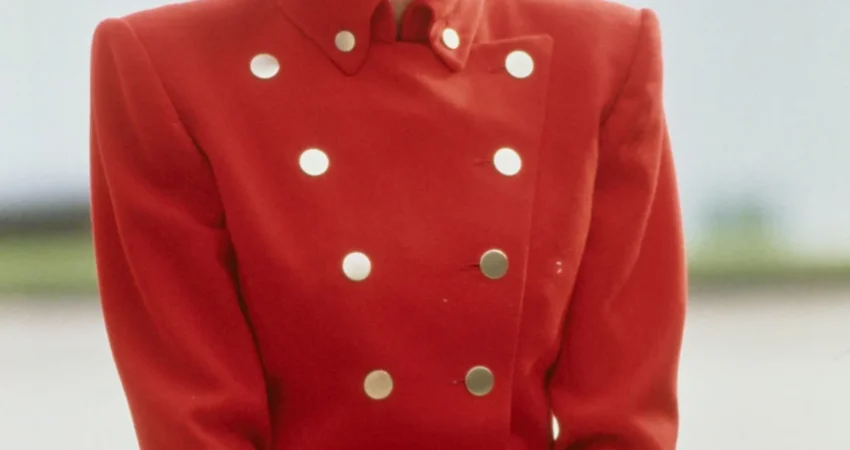
No discussion of 80s fashion is complete without the influence of Diana, Princess of Wales. Known for her "power blouses" in bold primary colors, particularly red, Lady Diana used color to project confidence and strength during her public appearances. The red blouse, often featuring pussy-bow collars or exaggerated shoulders, is set to be a best-seller in September 2026.

Psychological studies on color theory suggest that red is perceived as a "power color," associated with leadership and energy. In the competitive job market of 2026, these 80s-inspired red blouses are being marketed as "statement pieces" for the modern professional. When paired with flared jeans, the look creates a balanced silhouette that mirrors the proportions of the 1980s but utilizes 2026’s stretch-denim technology for improved comfort. This combination is expected to dominate the "smart-casual" segment of the market, providing a vibrant alternative to the traditional suit.
Market Data and Consumer Trends for 2026
The shift toward 80s-inspired denim and blouse combinations is backed by significant market data. According to industry reports:

- Vintage-Core Growth: The "vintage-inspired" apparel sector is projected to grow by 12% annually through 2027, driven by younger consumers who view the 80s as an era of authentic self-expression.
- Denim Diversification: While skinny jeans dominated the 2010s, the 2026 market is highly fragmented, with baggy and straight-leg styles accounting for 60% of new denim production.
- Sustainable Innovation: Many of the "80s return" pieces are being produced using circular fashion principles. Recycled sequins and organic denim are becoming industry standards, allowing consumers to embrace retro aesthetics without the environmental guilt associated with fast fashion.
Broader Implications and Analysis
The return of 80s fashion in September 2026 is more than a fleeting trend; it is a reflection of a society looking for resilience. The 1980s were a time of "bigness"—big hair, big shoulders, and big ambitions. As the world navigates the complexities of the late 2020s, the revival of these styles suggests a collective desire to take up space and project a sense of indestructible confidence.
Furthermore, the versatility of these blouse-and-jeans combinations addresses a practical need. In an era where the "special occasion" is becoming less frequent and daily life is more fluid, fashion must be adaptable. By taking the high-glamour elements of the 80s (sequins, silk, ruffles) and grounding them with the ultimate democratic garment (jeans), the industry is creating a wardrobe that is both aspirational and accessible.

In conclusion, the Autumn-Winter 2026 season will be defined by a vibrant dialogue between the past and the present. By drawing inspiration from icons like Madonna, Prince, and Lady Di, and applying those lessons to the modern denim landscape, fashion is providing a roadmap for empowerment. As we move into September 2026, the colored blouse will stand as a symbol of a new era of sartorial freedom—one that honors the boldness of the 80s while meeting the technological and ethical demands of the future.

0 Comments