
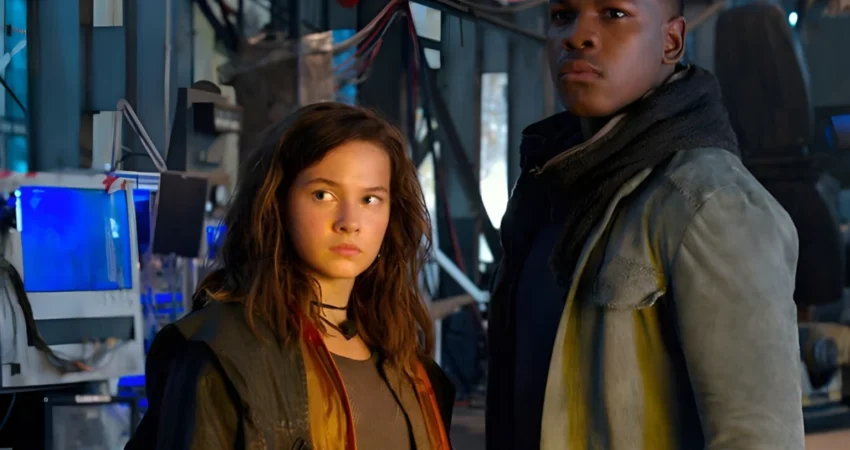
The cinematic landscape is littered with sequels that failed to capture the magic of their predecessors, but few stories of franchise decline are as rooted in mundane administrative errors as that of Pacific Rim Uprising. Released in 2018, the sequel to Guillermo del Toro’s 2013 mecha-versus-monster epic was intended to solidify a new pillar in the science fiction genre. Instead, it became a cautionary tale of how a single missed deadline can alter the trajectory of film history. While the original Pacific Rim was celebrated for its weight, scale, and auteur-driven vision, its successor struggled to find its footing, ultimately leading to a commercial disappointment that effectively mothballed the live-action franchise. The catalyst for this shift was not a creative disagreement or a lack of funding, but a failure to secure studio space in Toronto before a 5:00 PM deadline, an oversight that forced Guillermo del Toro to vacate the director’s chair and pursue the project that would eventually define his career.
The Genesis of a Modern Cult Classic
To understand the magnitude of the sequel’s failure, one must first examine the foundation laid by the original Pacific Rim. Released in July 2013, the film was Guillermo del Toro’s love letter to the kaiju and mecha genres. With a production budget of $190 million, it was a massive gamble for Legendary Pictures and Warner Bros. Unlike many contemporary blockbusters that relied on rapid-fire editing and weightless CGI, del Toro insisted on a sense of "tactile reality." The Jaegers—massive humanoid robots piloted by two humans linked via a neural bridge—moved with a lumbering, hydraulic heaviness that conveyed their immense scale.
The film was a moderate success in the United States, earning $101 million, but it found its true audience internationally, particularly in China. With a global total of $411 million, it earned enough of a following to justify a sequel. Fans were enamored with the lore of the "Drift," the biological horror of the Kaiju, and the distinct visual language del Toro brought to the screen. By 2014, a sequel was officially in development, with del Toro and screenwriter Zak Penn crafting a story that would expand the mythology of the Precursors and the Breach.
The 5:00 PM Deadline: The Turning Point
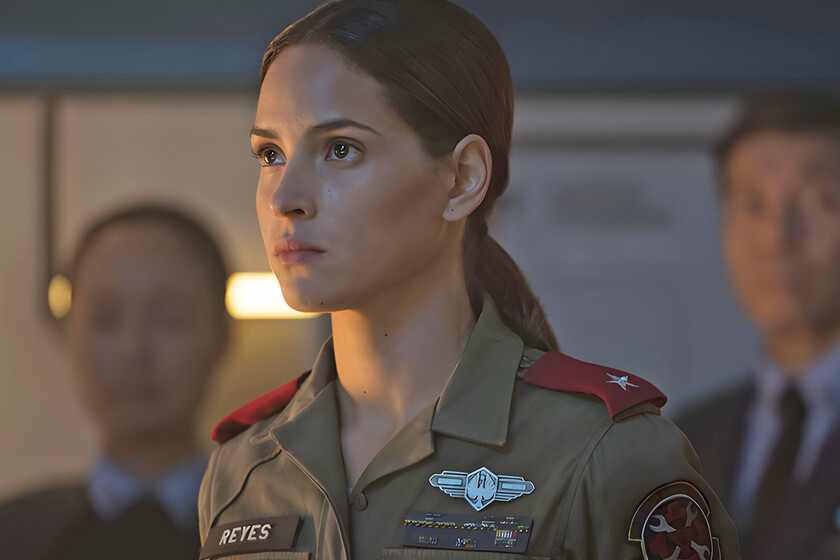
The transition from Pacific Rim to Pacific Rim Uprising was marred by production delays and corporate restructuring. During the development phase, Legendary Pictures was in the process of being acquired by the Chinese conglomerate Wanda Group. This transition created a period of uncertainty regarding production schedules. In a 2023 interview with Variety, Guillermo del Toro revealed the specific, almost surreal reason he ultimately left the project he had spent years developing.
According to del Toro, the production team failed to place a deposit on the soundstages at Pinewood Toronto Studios by a strict 5:00 PM deadline. In the high-stakes world of international film production, studio space is a premium commodity. When the deadline passed without the necessary paperwork and payment, the studios were immediately leased to another production. This error meant that the filming of Pacific Rim 2 would have to be delayed by several months.
Faced with a sudden vacuum in his schedule, del Toro was presented with a choice: wait for the studio space to become available again or move forward with a smaller, more personal project he had been developing titled The Shape of Water. He chose the latter. While he remained on Pacific Rim Uprising as a producer, his departure as director meant the film lost its primary creative architect. Steven S. DeKnight, known for his work on Daredevil and Spartacus, was brought in to helm the sequel, marking his feature film directorial debut.
A Shift in Creative Philosophy and Aesthetic
When Pacific Rim Uprising finally arrived in theaters in March 2018, the difference in vision was immediately apparent. While the first film felt like a dark, rain-soaked industrial opera, Uprising adopted the brighter, more saturated palette of a traditional summer blockbuster. The Jaegers, which previously required immense effort to move, were now depicted as agile and acrobatic, leaping through cities with a grace that many fans felt betrayed the "realistic" physics established by del Toro.

The narrative also underwent significant changes. The sequel moved the focus to a younger generation of pilots, led by John Boyega as Jake Pentecost, the estranged son of Idris Elba’s Stacker Pentecost. While Boyega’s performance was generally praised for its charisma, the film struggled to balance its "young adult" tone with the existential dread of the first installment. The exclusion of Charlie Hunnam’s Raleigh Becket due to scheduling conflicts further severed the connection to the original film’s heart.
The Financial Reality: A Franchise in Jeopardy
The commercial performance of Pacific Rim Uprising was the final blow to the prospect of a live-action trilogy. The film was produced on a reported budget of $150 million—a significant sum, though $40 million less than its predecessor. However, the rule of thumb for modern blockbusters is that they must earn approximately 2.5 times their production budget to break even, accounting for marketing costs and the percentage of revenue taken by theater owners. For Uprising, that break-even point sat between $350 million and $450 million.
The film opened to a modest $28 million in the United States. While it momentarily unseated Black Panther from the top of the box office, it lacked the "legs" to sustain a long theatrical run. It ultimately grossed $59 million domestically and $231 million internationally, for a global total of $290.5 million. Compared to the original’s $411 million, this represented a nearly 30% drop in revenue. Crucially, the film’s performance in China—the market that had saved the first film—was underwhelming, signaling that the brand had lost its luster.
Critical reception was equally tepid. On Rotten Tomatoes, the film holds a 42% approval rating, with critics noting that while the action was competent, the film lacked the soul and unique visual flair that del Toro provided. The "Insurrection" (as it was titled in some markets) had failed to spark a revolution.
The Silver Lining: The Shape of Water and the Oscar Win
While the loss of Guillermo del Toro was a disaster for the Pacific Rim franchise, it was a triumph for cinema history. The project del Toro chose to film instead, The Shape of Water, became a critical juggernaut. The film, a poetic fairy tale about the relationship between a mute janitor and an amphibious creature, was a stark contrast to the metal-on-monster carnage of Pacific Rim.
At the 90th Academy Awards, The Shape of Water received 13 nominations and won four Oscars, including Best Picture and Best Director for del Toro. Had the production team in Toronto remembered to book the studio space before 5:00 PM, del Toro likely would have been deep in the production of Pacific Rim Uprising during the window he used to film his masterpiece. The administrative error that "killed" the Jaegers effectively birthed one of the most celebrated films of the 21st century.
The Legacy and Future of the Breach
In the years following the release of Uprising, the Pacific Rim franchise has largely migrated to other mediums. Legendary Entertainment pivoted to animation, partnering with Netflix for the anime series Pacific Rim: The Black. The series, which ran for two seasons, was praised for returning to the darker, more atmospheric roots of the original film and exploring the lore of a post-apocalyptic Australia overrun by Kaiju.
Despite the commercial failure of the second film, Pacific Rim Uprising remains a staple of streaming platforms like Netflix and HBO Max (Max). For many viewers, the film serves as a "guilty pleasure"—a visually impressive, if narratively thin, action spectacle that provides exactly what it promises: giant robots fighting giant monsters. Freed from the high expectations of being a genre-defining sequel, it has found a secondary life as an entertaining popcorn flick for a rainy afternoon.

Conclusion: A Lesson in Production Logistics
The story of Pacific Rim: Uprising serves as a stark reminder that the fate of multi-million dollar franchises often rests on the most mundane details. A missed deadline, a forgotten email, or a late deposit can ripple through a production, leading to the departure of key talent and a fundamental shift in creative direction.
Guillermo del Toro’s "Pacific Rim 2" remains one of the great "what ifs" of modern science fiction. While fans may never see his full vision for the continued battle between humanity and the Precursors, the existing films stand as a testament to the volatility of the film industry. One film became a cult classic that pushed the boundaries of visual effects; the other became a lesson in the importance of administrative diligence. Ultimately, the "Insurrection" may have failed to conquer the box office, but the franchise continues to live on in the hearts of those who still believe in the power of the Drift.

0 Comments