
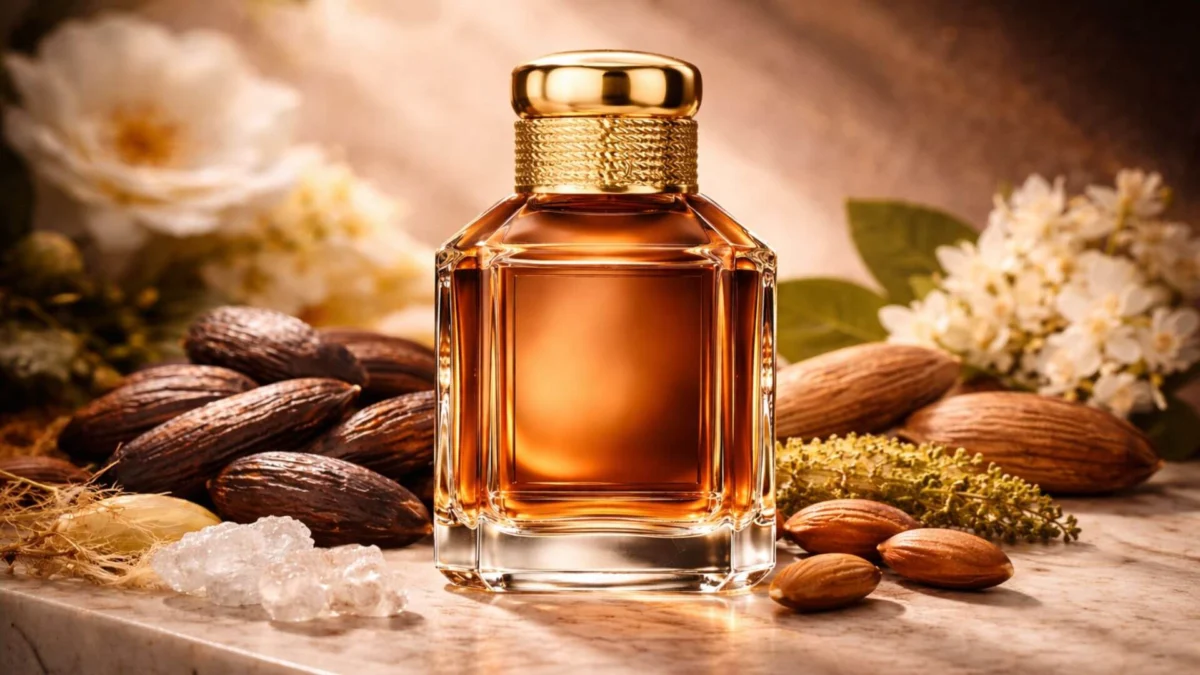
As the fragrance industry transitions into the spring 2026 season, a singular ingredient has emerged from the dense rainforests of the Orinoco basin to dominate the olfactory landscape: the tonka bean. Historically utilized as a secondary blending agent, the seed of the Dipteryx odorata tree is currently experiencing a "golden age," transitioning from a background fixative to a structural protagonist in luxury perfumery. This shift reflects a broader consumer evolution where longevity and "olfactory architecture" are prioritized over fleeting, explosive top notes.
The tonka bean is native to the tropical regions of Central and South America, particularly the lands surrounding the Orinoco River in Venezuela and parts of Brazil. For centuries, the seeds have been harvested, dried, and cured—often through a process involving soaking in rum—to allow the development of coumarin crystals. These crystals provide the bean’s signature scent: a complex, multi-faceted profile that occupies the intersection of spicy, balsamic, and gourmand territories.

The Technical Necessity of Performance and Longevity
In the current market, consumer demand has coalesced around a single, non-negotiable metric: "performance." Industry data indicates that modern fragrance users, particularly those navigating professional and social environments from early morning until late evening, increasingly demand scents that maintain their integrity for ten hours or more. While citrus and light floral notes are synonymous with spring, their molecular weight often results in rapid evaporation.
The tonka bean addresses this technical deficit. Miguel Bartolomé, Marketing and Communication Manager at the luxury fragrance distributor Isolée, notes that while tonka may lack the immediate "expansiveness" of synthetic molecules like hedione or the traditional familiarity of lavender, its value lies in its ability to provide structural support. Bartolomé suggests that the current success of the note is rooted in its subtlety; it does not seek "easy attention" but instead rounds out formulas, softens transitions between volatile notes, and provides a sense of volume without the cloying sweetness often associated with pure vanilla.
From a technical standpoint, the tonka bean is prized for its fixative properties. It anchors lighter molecules to the skin, ensuring that the "dry down"—the final phase of a perfume’s evolution—remains rich and present. This capacity to balance a fragrance without saturating the senses has become a cornerstone of the 2026 "Quiet Luxury" movement in perfumery.

Olfactory Profile and the Role of Coumarin
The scent of the tonka bean is frequently compared to vanilla, yet such comparisons overlook its inherent complexity. According to the Academia del Perfume, the ingredient deploys a spicy, peppery aroma with exotic, warm nuances. Its base often reveals notes of tobacco and hay, bearing similarities to cinnamon or cloves.
The primary chemical constituent of the tonka bean is coumarin, a compound first isolated in 1820 and synthesized in 1868. Coumarin was the catalyst for the "Modern Perfumery" era, notably featuring in Paul Parquet’s Fougère Royale in 1882. In 2026, perfumers are returning to this classic molecule but with a focus on high-concentration natural extracts that highlight its bitter almond and "fresh-cut hay" facets rather than just its sweetness.
A Comparative Analysis of the Season’s Leading Fragrances
As the spring season commences, several major perfume houses have released or highlighted tonka-centric compositions that illustrate the ingredient’s versatility. These releases span a spectrum from "solar gourmands" to "woody-leathery" hybrids.

1. Vanilla Powder Extrait by Matiere Premiere
Under the direction of perfumer Aurélien Guichard, the French house Matiere Premiere has sought to deconstruct the "juvenile" stigma of vanilla. By utilizing a high concentration of Madagascan vanilla absolute alongside Venezuelan tonka bean absolute, Vanilla Powder creates a sophisticated, voluptuous profile. The addition of tonka introduces a dark, spicy undertone that prevents the fragrance from becoming overly saccharine, targeting a demographic that seeks intensity without stridency.
2. Lift Me Up by Initio Parfums Privés
Representing the "solar" trend of 2026, Lift Me Up utilizes tonka bean to anchor a bright, citrus-heavy opening. In this composition, the bean is paired with magnolia and musk to simulate the sensation of sun-warmed skin. This application demonstrates tonka’s ability to function in a "luminous" context, proving that the note is not restricted to heavy winter orientals but can be adapted for the brighter, more optimistic atmosphere of spring.
3. Vanillary by Lush
Lush’s Vanillary represents the "gourmand" end of the spectrum, designed for consumers who favor edible, comforting scents. By blending tonka with jasmine and vanilla absolute, the fragrance achieves a "crème brûlée" accord. This release highlights the economic range of the tonka trend, making the high-performance note accessible at a lower price point while maintaining the "caramelized" depth that defines the ingredient.

4. Sequence by Amouage
The Omani house Amouage has integrated tonka into a more complex, avant-garde framework. In Sequence, tonka is contrasted with tart fruit notes like raspberry and lychee, then layered over a base of leather and oud. This "dance of incense and tonka" illustrates the ingredient’s utility as a bridge between high-frequency fruits and low-frequency resins, resulting in a unique, long-lasting sillage that caters to the niche collector market.
5. Tonka Sarrapia Extrait 75 by Guerlain
Part of the prestigious L’Art & La Matière collection, Guerlain’s Tonka Sarrapia Extrait 75 is perhaps the most direct "love letter" to the ingredient. Created by Delphine Jelk and Thierry Wasser, it emphasizes the almond-like bitterness of the bean. The formula includes a specific micro-dose of coumarin to enhance the "fresh hay" sensation, resulting in a fragrance that is both heritage-focused and modern.
Chronology of the Tonka Renaissance
The trajectory of the tonka bean from a blending staple to a 2026 trend-setter can be traced through several key industry shifts over the past decade:

- 2014–2018: The rise of "Beast Mode" fragrances. Tonka was used heavily in masculine "clubbing" scents for its projection and sweetness.
- 2019–2022: Regulatory scrutiny. The International Fragrance Association (IFRA) maintained strict limits on coumarin due to potential skin sensitization, forcing perfumers to innovate with cleaner, safer tonka extracts.
- 2023–2025: The "New Gourmand" era. Consumers began moving away from "sugar-bomb" scents toward "savory" or "complex" sweets. Tonka, with its bitter and spicy facets, became the ideal substitute for simple ethyl maltol (sugar) notes.
- 2026: The Year of Structure. Longevity becomes the primary KPI for fragrance success. Tonka’s role as a fixative and its "Quiet Luxury" profile align perfectly with the current cultural zeitgeist.
Economic and Environmental Implications
The surging demand for tonka beans has significant implications for the Orinoco region. Unlike synthetic substitutes, high-quality natural tonka requires a labor-intensive harvesting process. The beans are gathered from the forest floor after the fruit of the Dipteryx odorata falls.
Sustainability initiatives have become central to the supply chain. Major fragrance houses like Givaudan and Firmenich have established "fair trade" agreements with local communities in Venezuela and Brazil to ensure that the increased demand does not lead to over-exploitation of the rainforest. These programs often include technical training for harvesters and guaranteed minimum prices, which stabilize the local economy while securing the long-term availability of the raw material.
Furthermore, the price of these fragrances—ranging from 70 euros for commercial options to over 550 euros for "Extrait" concentrations—reflects the rising cost of natural raw materials. As consumers become more educated about "absolute" concentrations and the origins of their scents, they are showing a greater willingness to invest in ingredients with a clear provenance and proven performance.

Future Outlook: Beyond Spring 2026
The "Tonka Revolution" is unlikely to fade with the passing of spring. As the industry looks toward the latter half of the decade, the lessons learned from the tonka bean’s success—specifically the value of structural integrity and multi-faceted sweetness—will likely influence the development of other botanical resins and seeds.
The broader implication for the fragrance market is a move toward "slow perfumery." Just as the tonka bean requires a slow curing process to reveal its crystals, consumers are gravitating toward scents that reveal themselves slowly over many hours. The era of the "one-hour wonder" fragrance appears to be concluding, replaced by a preference for the enduring, structured, and deeply rooted presence of the tonka bean. In a world characterized by rapid change, the lasting power of the Orinoco’s most famous export provides a sense of olfactory permanence that resonates deeply with the modern consumer.

0 Comments