
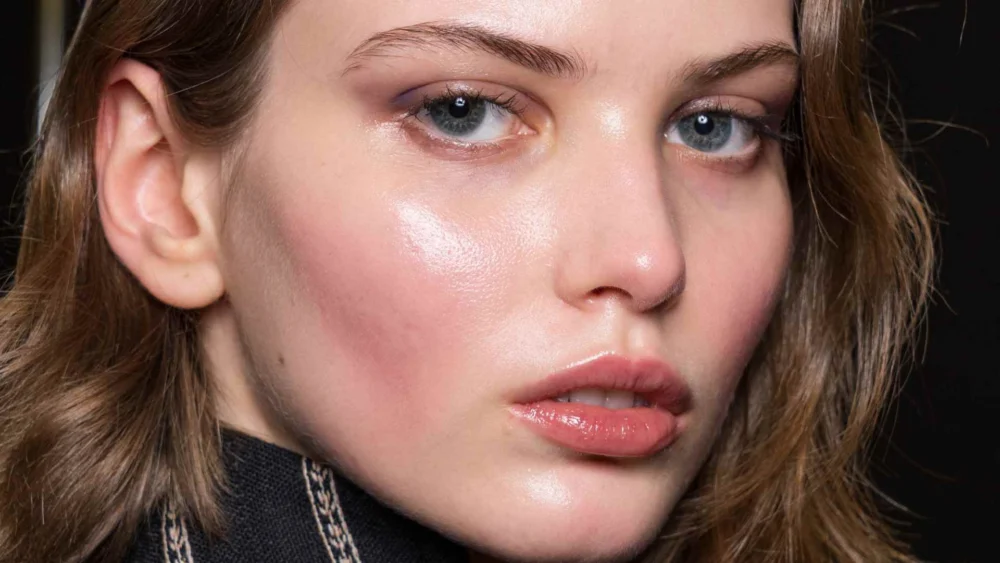
Paris Fashion Week has once again solidified its position as the global epicenter of aesthetic evolution, establishing the "Butter Blonde" or "Champagne Blonde" hue as the undisputed hair color of the Spring-Summer 2026 season. While previous years were defined by high-contrast bleaches and experimental neon palettes, the runways of the French capital have signaled a decisive return to sophisticated naturalism. This trend, observed across the collections of major fashion houses, represents a broader shift in the beauty industry toward "quiet luxury" in hair care—a movement that prioritizes the appearance of health, vitality, and effortless elegance over artificial intensity.
As the Spring-Summer 2026 collections unfolded, the presence of this creamy, multidimensional blonde was not merely incidental but a coordinated thematic element. From the romantic silhouettes of Zimmermann to the avant-garde structures of Ottolinger and the minimalist precision of Situationist, the "Butter Blonde" aesthetic served as a versatile anchor, bridging the gap between high-fashion editorial looks and wearable street style.

The Aesthetic Shift: Understanding Butter Blonde and Champagne Tones
The transition to Butter Blonde marks a significant departure from the icy, ashy platinums that have dominated the industry for nearly a decade. Unlike its predecessors, which often required aggressive chemical processing and high maintenance to avoid brassy undertones, Butter Blonde embraces warmth. It is characterized by a harmonious blend of honey, gold, and cream tones, mimicking the natural variations of hair lightened by the sun.
Iván Navarta, an Education Specialist for Goldwell & Kerasilk, notes that this specific tonal range "evokes hair health, naturalness, and sophistication." According to industry experts, the "Champagne" variation of this trend adds a layer of beige or slightly iridescent pigment, which prevents the gold from becoming too yellow, resulting in a finish that looks expensive and well-maintained.
The primary appeal of this color lies in its "anti-aging" properties. Unlike cooler tones, which can sometimes highlight skin imperfections or cast a gray shadow on the complexion, the warmth of Butter Blonde reflects light back onto the face. This creates a luminous, "lit-from-within" effect that rejuvenates the wearer’s appearance, a factor that has contributed significantly to its rapid adoption by both runway stylists and celebrity colorists.

Chronology of a Trend: From the Lab to the Paris Runways
The emergence of Butter Blonde as the 2026 frontrunner can be traced through a specific timeline of industry shifts and runway presentations:
- Late 2025: The Rise of Hair Health Awareness. Following a period of heavy experimentation with "fantasy colors," the global beauty market saw a 15% increase in demand for "repair-centric" color services. This set the stage for a trend that looks healthy rather than processed.
- January 2026: Pre-Season Teasers. Early sightings of warm blonde transitions were noted during the Couture shows in Paris, where stylists began moving away from monochromatic shades in favor of "melted" dimensions.
- March 2026: Paris Fashion Week SS26.
- Zimmermann: The Australian house utilized Butter Blonde to complement its ethereal, floral-heavy collection. The soft, buttery tones mirrored the lightness of the fabrics, creating a cohesive visual narrative of spring vitality.
- Ottolinger: Even within more aggressive and deconstructed fashion contexts, the Champagne Blonde provided a sophisticated contrast to edgy garments, proving the color’s versatility.
- Situationist: The Georgian label used the shade to enhance its minimalist aesthetic, showing that the color holds enough depth to stand alone without complex styling.
Supporting Data: The Economics of the Blonde Market
The dominance of Butter Blonde is backed by significant market data. According to beauty industry analytics, "blonde" remains the most requested color category in professional salons, accounting for approximately 45% of total color service revenue globally. However, the type of blonde requested has shifted.
In the first quarter of 2026, searches for "warm blonde" and "natural blonde highlights" increased by 60% on visual discovery platforms. Furthermore, the professional hair care sector has responded with a surge in "toning shampoos" specifically formulated for warm-gold palettes rather than the traditional purple shampoos used to neutralize yellow.

Market analysts suggest that the "Butter Blonde" trend is also a response to the economic climate. As consumers seek "investment beauty," they are gravitating toward colors that grow out gracefully. The multidimensional nature of Champagne Blonde, which often incorporates the wearer’s natural base color through "root smudging" or "balayage" techniques, allows for longer intervals between salon visits compared to the rigid maintenance of platinum or solid-tinted hair.
Technical Insights and Professional Analysis
Achieving the Spring-Summer 2026 look requires a sophisticated technical approach. Professionals are moving away from traditional foil highlights in favor of "hair painting" or "foilyage" to create the seamless transitions seen on the Paris runways.
The "Butter" effect is achieved through a specific ratio of gold to beige toners. Experts emphasize that the key is "controlled warmth." If the hair is too gold, it looks dated; if it is too beige, it loses the "butter" luminosity. The goal is a creamy consistency that suits light to medium skin tones, providing a fresh and rejuvenated look without losing the inherent elegance of a classic blonde.

Iván Navarta highlights that this trend is not just about the pigment but the texture. "The color is designed to look like the hair is in its best possible condition," he explains. This is achieved by using high-shine glazes and acid-based toners that seal the hair cuticle, reflecting maximum light.
Industry Reactions and Broader Implications
The reception from the international beauty community has been overwhelmingly positive. Lead stylists at Paris Fashion Week have reported that the Butter Blonde trend has simplified the "backstage" process, as the color inherently looks good under various lighting conditions—from the harsh strobes of the runway to the natural light of street style photography.
Retailers are also pivoting their inventories. Major professional brands are launching "Spring 2026" collections featuring "Nectar," "Honey," and "Champagne" glosses. This shift is expected to influence the drugstore market by late 2026, as home-coloring kits begin to reflect the demand for warmer, more natural tones.

Beyond the salon, the trend has cultural implications. It signals a move away from the "artificiality" of the early 2020s (characterized by heavy filters and vivid, synthetic colors) and toward an era of "enhanced reality." The Butter Blonde aesthetic suggests a lifestyle of wellness, outdoor activity, and understated wealth—aligning perfectly with the broader fashion industry’s current obsession with "Old Money" and "Quiet Luxury" aesthetics.
Conclusion: The Longevity of the Butter Blonde Trend
As Paris Fashion Week concludes, it is clear that Butter Blonde is not a fleeting fad but a calculated evolution of the blonde identity. By prioritizing hair health and skin-flattering warmth, the trend addresses the modern consumer’s desire for beauty that is both high-impact and low-stress.
For the Spring-Summer 2026 season, the message from the runways is definitive: elegance is found in the balance of naturalism and luxury. Whether seen on the models for Zimmermann or the streets of the Marais, Butter Blonde has established itself as the color of the moment—a hue that promises to define the visual landscape of the year to come. As salons worldwide prepare for the seasonal surge, the "Parisian Gold" standard has been set, marking a bright, warm, and sophisticated chapter in the history of hair color.

0 Comments