
The expansion of the global footwear market has reached a new milestone with the official arrival of Ecco, the heritage Danish footwear brand, into the Mexican retail landscape. Known for a design philosophy that prioritizes ergonomic integrity over transient aesthetic whims, Ecco’s entry into Mexico signals a shift in consumer demand toward high-performance, minimalist Scandinavian design. This arrival coincides with the emerging trends for the Fall 2026 season, where the intersection of "Quiet Luxury" and "Gorpcore" functionality has created a unique niche for footwear that transitions seamlessly from professional environments to urban exploration. By integrating advanced anatomical research with premium materials, Ecco seeks to redefine the standards of the "comfort shoe" category, proving that orthopedic support and high-fashion relevance are no longer mutually exclusive.

The Evolution of Scandinavian Footwear: A Legacy of Anatomical Design
To understand the impact of Ecco’s arrival in Mexico, one must look at the brand’s foundational history. Founded in 1963 by Karl Toosbuy in the small town of Bredebro, Denmark, Ecco was built on a singular, revolutionary premise: the shoe must follow the foot. At a time when the footwear industry was dominated by rigid, traditional construction methods that forced the foot to adapt to the shoe, Toosbuy utilized his background in shoemaking to challenge the status quo. He envisioned a brand that controlled every step of the production process, a vision that eventually led Ecco to become one of the few major shoe manufacturers in the world to own and operate its own tanneries and production facilities.
This vertical integration has allowed the brand to innovate at a pace that few competitors can match. Over the decades, Ecco has pioneered technologies such as FLUIDFORM™ Direct Comfort Technology, which uses a specialized liquid material to follow the anatomical curves of the foot, creating a bond between the sole and the upper without the need for glue or stitching. This process not only increases the durability of the footwear but also provides a level of cushioning and flexibility that has become a hallmark of the Danish aesthetic. As the brand enters the Mexican market, it brings with it over sixty years of research into human movement, positioning itself as a leader in the "Biom" category—footwear designed to promote natural motion.

Chronology of Innovation and Global Expansion
The journey of Ecco from a local Danish workshop to a global powerhouse is marked by several key milestones that have shaped its current identity. In the 1970s, the brand achieved international recognition with the launch of the "Ecco Joke," a shoe that epitomized the brand’s commitment to comfort and became a cult classic. By the 1980s, Ecco had expanded its operations across Europe and into Asia, establishing a global footprint that emphasized consistent quality across different markets.
The 1990s and early 2000s saw the brand lean heavily into technical innovation. The introduction of the BIOM Project in 2009, developed in collaboration with the German Sport University Cologne, utilized scans of over 2,500 feet to create a last that mirrored the natural shape of the human foot. This focus on "Natural Motion" became the backbone of the brand’s performance and lifestyle lines. In the 2020s, the brand underwent a stylistic rejuvenation, collaborating with high-fashion designers such as Natacha Ramsay-Levi, formerly of Chloé, to infuse its technical silhouettes with a contemporary, avant-garde edge. The 2026 arrival in Mexico represents the latest chapter in this expansion, targeting a growing demographic of professional consumers who value both health-conscious design and sophisticated style.

Technical Analysis: The Science of the Fall 2026 Collection
The Fall 2026 collection, which serves as the centerpiece for the brand’s Mexican launch, is anchored by the BIOM series. These sneakers are not merely lifestyle products but are engineered tools for urban navigation. The technical specifications of the models featured in this season’s trends highlight the brand’s commitment to material science.
- FLUIDFORM™ Technology: Unlike traditional footwear that relies on mechanical bonding (gluing or sewing), Ecco uses a process of direct injection. A functional, durable material is injected into a mold that joins the upper to the sole, ensuring an airtight seal and a more lightweight profile.
- DriTan™ Leather: Sustainability is a core pillar of the 2026 strategy. Ecco’s tanneries utilize DriTan™ technology, which significantly reduces the amount of water used in the tanning process by leveraging the moisture already present in the hides. This results in premium leather that maintains its aesthetic appeal while minimizing environmental impact.
- Anatomical Lasts: Every sneaker in the collection is built on an anatomical last that supports the three main sections of the foot: the heel, the arch, and the toes. This reduces muscle fatigue and allows for extended periods of walking without discomfort.
Curated Styling: Integrating Danish Sneakers into Fall 2026 Trends
The versatility of the Ecco silhouette is demonstrated through four distinct styling combinations that reflect the forecasted aesthetic for Fall 2026. These looks emphasize a move away from the "disposable fashion" of previous years toward a more curated, "investment-piece" wardrobe.

The Contrast of Vibrancy: Midi Dresses and Flexible Soles
One of the most prominent trends for Fall 2026 is the use of high-contrast color palettes, a style heavily influenced by the street style seen at Copenhagen Fashion Week. A red midi dress, such as those seen in recent Zara collections, provides a bold, feminine silhouette that is grounded by the Ecco Biom 720 W. This specific model, designed in collaboration with Natacha Ramsay-Levi, features a flexible sole and a palette of pink and brown. This combination challenges traditional color theories and embraces the "dad shoe" trend with a sophisticated, designer-led twist. It is a look designed for the "flâneur"—the urban wanderer who requires a shoe that can handle miles of city pavement without sacrificing visual impact.
Understated Masculinity: Straight-Leg Jeans and Flat Soles
For a more classical approach, the Fall 2026 season sees a return to 1990s minimalism. Straight-leg jeans in charcoal or faded black, a staple of brands like Levi’s, are paired with the Ecco Biom Lite in a bone or off-white hue. This look is the epitome of "Quiet Luxury." When paired with a crisp white shirt or a high-quality jersey t-shirt, the outfit becomes a uniform for the modern professional. The addition of a leather bomber jacket in black or burgundy adds a layer of texture that complements the smooth leather of the sneakers, creating a balanced, gender-neutral aesthetic that prioritizes clean lines.

The Romantic Revival: 90s Heritage and Flowing Silhouettes
The resurgence of 1990s nostalgia continues to influence the Fall 2026 runways. The Ecco Soft 11, inspired by classic 90s handball sneakers, offers a retro-sport aesthetic that provides a necessary counterpoint to romantic, flowing dresses. Using a deep burgundy or "wine" colorway, these sneakers can be paired with an Altuzarra-inspired romantic dress. This juxtaposition of the delicate and the durable reflects a broader cultural shift toward practicality in evening and social wear. It is a styling choice that speaks to a Friday schedule—moving from office meetings to a sun-drenched lunch without the need for a change of footwear.
Vanguard Urbanism: The Monochrome Midi Skirt
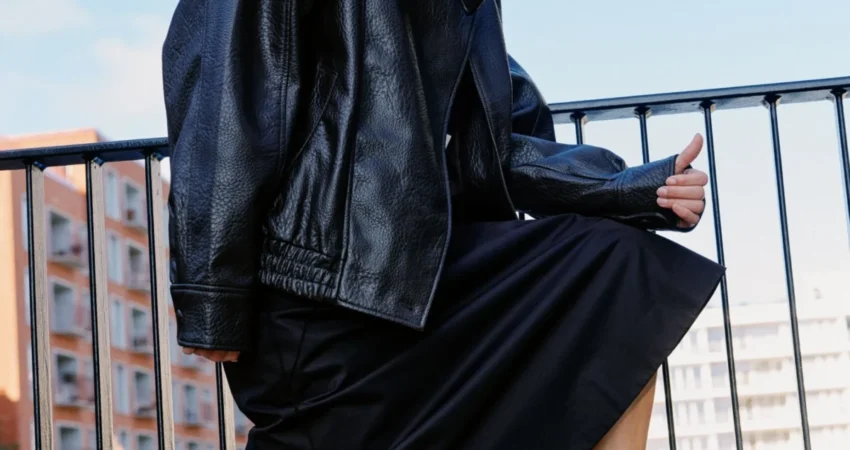
Finally, the collection addresses the vanguard of fashion through a monochromatic, architectural lens. A black midi skirt from a brand like COS serves as the foundation for a look that is both futuristic and functional. The Ecco Biom Aex, with its more aggressive, technical aesthetic, is designed to follow the natural strike of the foot. This combination is particularly effective for those navigating the "megacity" environment. By pairing the sneaker with tank tops or structured shirts, the wearer achieves a look that is rooted in Danish functionalism—where every element of the outfit serves a purpose, and comfort is the ultimate luxury.

Market Implications: The "Comfort Economy" in Mexico
The introduction of Ecco to Mexico is more than a retail expansion; it is a response to the "Comfort Economy." Data from global retail analysts suggest that since 2020, there has been a 35% increase in consumer spending on footwear that lists "ergonomic support" as a primary feature. In Mexico’s major urban centers, such as Mexico City, Monterrey, and Guadalajara, where walking is a primary mode of transit for the professional class, the demand for high-quality walking shoes has reached an all-time high.
Industry experts suggest that Ecco’s arrival will likely challenge established luxury athletic brands. Unlike brands that focus on "hype" or limited-release drops, Ecco’s value proposition lies in longevity and physical well-being. This appeals to a more mature, discerning consumer who is less interested in brand logos and more invested in the "cost-per-wear" ratio of their purchases.

Statements and Future Outlook
While official statements from the brand emphasize their excitement about the "vibrant energy of the Mexican market," the broader implication is a strategic move to capture the Latin American premium sector. Analysts believe that if Ecco finds success in Mexico, it will serve as a blueprint for further expansion into Brazil and Chile.
As we look toward the remainder of the 2026 fashion cycle, the "Danish sneaker" is poised to become a staple of the international wardrobe. By merging the heritage of Scandinavian craftsmanship with the rigorous demands of modern foot health, Ecco has positioned itself at the forefront of a movement that refuses to choose between looking good and feeling good. For the Mexican consumer, this means access to a new standard of footwear—one where the shoe finally adapts to the life of the wearer, rather than the other way around.

0 Comments