
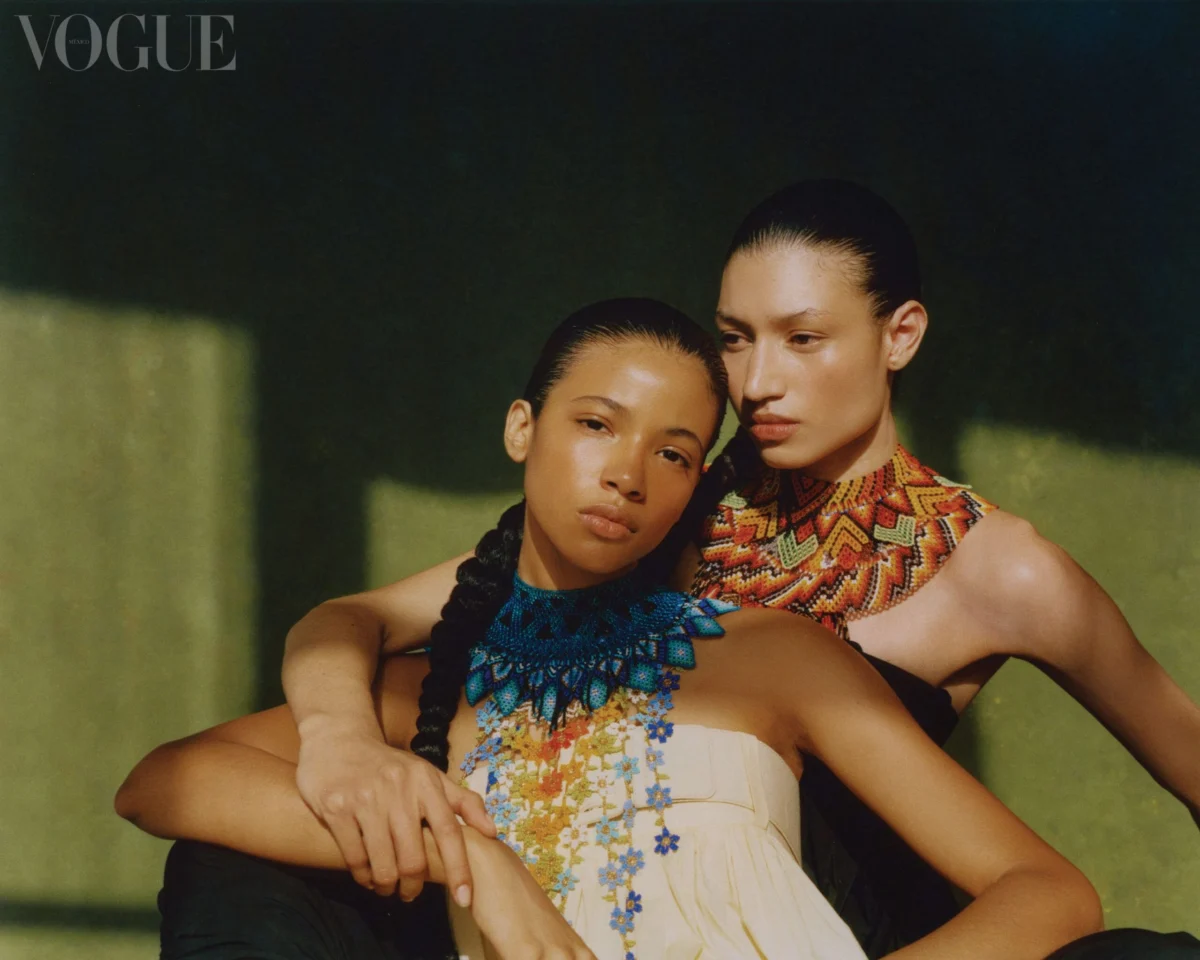
The global fashion landscape has witnessed a significant shift in the luxury resort wear sector, with Colombia emerging as a primary hub for high-end swimwear design and manufacturing. What was once a localized industry has transformed into an international powerhouse, driven by a combination of artisanal craftsmanship, innovative sizing strategies, and a deep-seated understanding of diverse body types. This evolution is perhaps most visible in Cartagena, a city that has transitioned from a historical colonial port to a premier destination for fashion-conscious travelers seeking high-quality apparel that prioritizes both aesthetic appeal and functional fit.
The Colombian textile industry, particularly in regions such as Medellín and Bogotá, has long been a cornerstone of the national economy. However, the recent surge in the "Made in Colombia" label’s prestige is largely attributed to brands that have successfully merged traditional techniques with modern retail philosophies. Industry analysts point to a growing trend where consumers, particularly from North America and Europe, are bypassing traditional mass-market brands in favor of Colombian labels that offer a more personalized and inclusive shopping experience.
The Strategic Shift Toward Inclusive Design and "The Perfect Fit"
One of the most significant hurdles in the global swimwear market has historically been the "standardized" sizing model, which often fails to account for the anatomical diversity of the global population. Colombian brands have addressed this discrepancy by adopting a "mix-and-match" retail strategy. Unlike many international retailers that sell bikinis as fixed sets, premium Colombian labels such as Agua by Agua Bendita allow customers to select different sizes for tops and bottoms. This approach acknowledges the reality of varying proportions—a move that has been lauded by fashion editors and consumers alike for fostering body positivity and reducing the frustration often associated with swimwear shopping.
Furthermore, the industry in Colombia has integrated a unique cultural service into the retail experience: the professional alteration of swimwear. In cities like Cartagena, it is standard practice for boutiques to recommend specialized seamstresses who focus exclusively on the "esculpido" (sculpting) or adjustment of lycra and elastane fabrics. Because swimwear materials behave differently than standard cotton or wool, this niche expertise allows for a bespoke fit that mass-produced items cannot replicate. Experts suggest purchasing a slightly larger size to provide these artisans with enough fabric to make precise adjustments, ensuring the garment contours to the individual’s frame perfectly.
Economic Impact and Market Growth Data
According to data from ProColombia, the government agency responsible for promoting non-traditional exports, the Colombian fashion sector has seen consistent growth over the last decade. Swimwear, in particular, has become one of the country’s most successful export products. In recent fiscal years, Colombian swimwear exports reached over 100 countries, with the United States, Mexico, and Panama serving as the primary markets.

The success of the sector is rooted in its vertical integration. Colombia is one of the few countries in the region with a complete textile chain, from fiber production to finished garments. This allows brands to maintain high standards of quality control and rapid turnaround times for new collections. In 2023, the Colombian textile and apparel industry accounted for approximately 9.4% of the country’s manufacturing GDP and employed over 600,000 people, a significant portion of whom are female heads of households working in artisanal workshops.
Chronology of the Colombian Fashion Rise
The trajectory of Colombia’s dominance in the resort wear space can be traced through several key milestones:
- Early 2000s: The Boutique Explosion. Emerging designers in Medellín began experimenting with hand-embroidered details on swimwear, moving away from the utilitarian designs of the 1990s.
- 2010-2015: International Recognition. Brands like Agua Bendita gained global attention after being featured in high-profile international publications and worn by global icons. This period marked the transition from local favorites to international luxury contenders.
- 2018-Present: The Luxury Resort Wear Boom. The launch of high-end lines like "Agua" by Agua Bendita signaled a shift toward "slow fashion." These collections focus on sustainability, artisanal craftsmanship, and timeless designs rather than fast-fashion trends.
- 2020s: The Cartagena Retail Hub. Cartagena solidified its status as a "shopping pilgrimage" site. The city’s historic center now hosts flagship stores that serve as the primary touchpoint for international tourists to experience the brand’s ideology firsthand.
Case Study: Agua by Agua Bendita and the Ideology of Quality
The brand Agua by Agua Bendita serves as a representative example of the broader industry’s success. Founded by Catalina Álvarez and Mariana Hinestroza, the brand began with a focus on vibrant, hand-crafted pieces. Their premium line, Agua, was developed to cater to a more minimalist and sophisticated market, emphasizing classic colors like black and earth tones, accented with subtle gold or artisanal details.
The brand’s philosophy centers on the idea that the garment should adapt to the body, rather than the body adapting to the garment. This ideological shift is critical in an era where consumers are increasingly critical of "fast fashion" and are looking for pieces that offer longevity. By utilizing high-grade Italian fabrics and combining them with Colombian hand-embroidery, the brand has positioned itself in the same luxury tier as established European houses.
Technical Maintenance and Fabric Longevity
A critical component of the professional discourse surrounding Colombian swimwear is the education of the consumer on garment care. High-end swimwear is constructed using delicate synthetic fibers designed for elasticity and UV resistance. However, these fibers are highly susceptible to heat damage.
Fashion experts and manufacturers issue a consistent warning: swimwear should never be placed in a mechanical dryer. The high temperatures in a dryer break down the elastic polymers (spandex/elastane) within the fabric, leading to a loss of shape, thinning of the material, and eventual structural failure. To preserve the "perfect fit" achieved at the point of purchase, garments should be rinsed in fresh water after exposure to chlorine or salt and air-dried in the shade. This technical advice is essential for maintaining the integrity of an investment piece that often retails at a premium price point.

Regional Specialization: Beyond Cartagena
While Cartagena is the most visible face of Colombian swimwear to the international community, the industry is supported by a robust network across the country:
- Medellín: Known as the "Capital of Fashion," it hosts Colombiamoda, the most important fashion trade show in Latin America. Most of the technical production and fabric innovation occurs here.
- Bogotá: The capital serves as the corporate and design heart, where many brands develop their marketing strategies and international distribution networks.
- Artisanal Communities: Many brands outsource their embroidery and beadwork to indigenous and rural communities, providing a sustainable income and preserving traditional Colombian craft techniques.
Broader Implications for Latin American Fashion
The success of the Colombian swimwear model has broader implications for the Latin American fashion industry at large. It demonstrates that regional brands can compete on a global scale by leaning into their unique cultural heritage rather than attempting to replicate Western fast-fashion models. The emphasis on "falsas fallas" (false flaws) and body inclusivity has resonated with a global audience that is increasingly disillusioned with airbrushed standards of beauty.
As Colombian brands continue to expand their footprint in international department stores and e-commerce platforms, the focus remains on the "fit." The ability to provide a tailored, high-quality experience in a segment as notoriously difficult as swimwear has set a new benchmark for the industry.
In conclusion, the rise of Colombian swimwear is not merely a trend but a structural shift in how resort wear is designed, sold, and maintained. By combining economic strategy with a deep respect for artisanal labor and a practical approach to body diversity, Colombia has secured its position as a leader in the global fashion dialogue. For the consumer, the journey to finding the "perfect" garment is now facilitated by a sophisticated ecosystem of designers, retailers, and tailors who prioritize the individual over the standard.

0 Comments