
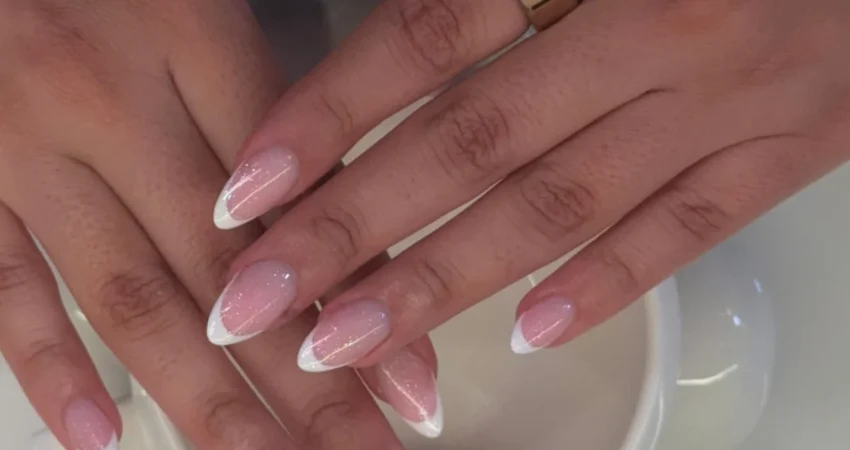
The Russian manicure has emerged as a transformative force within the global beauty industry, transitioning from a niche technique utilized primarily in Eastern Europe to a dominant international trend that has redefined consumer expectations for precision and longevity. Over the past two years, and accelerating through 2024 into 2025, the demand for this "dry manicure" technique has surged, driven largely by the visual-centric nature of social media platforms like Instagram and TikTok. While traditional manicures focused on basic grooming and polish application, the Russian manicure—also known as an E-file or hardware manicure—emphasizes a meticulous, near-surgical approach to cuticle care and nail bed preparation. This shift represents a broader movement in the aesthetic sector away from "fast beauty" toward specialized, high-skill services that prioritize durability and an ultra-refined finish.
The Technical Foundation: Understanding the Dry Manicure Process
The core distinction of the Russian manicure lies in its "dry" methodology. Unlike the standard Western manicure, which typically involves soaking the hands in water or oils to soften the skin, the Russian technique eschews moisture entirely. This is a strategic choice rooted in the biology of the nail. When the nail plate is soaked, it absorbs water and expands; if polish is applied while the nail is in this swollen state, it will eventually contract as it dries, leading to premature chipping and lifting of the lacquer. By maintaining a dry environment, technicians ensure the nail plate remains stable, providing a superior surface for the adhesion of gel or polish.
The process is characterized by the use of an electric file (E-file) equipped with various specialized diamond-tipped bits. A qualified technician uses these tools to gently lift and remove the dead skin of the cuticle and the pterygium (the thin layer of skin that sticks to the nail plate). This allows the technician to clean the area under the proximal nail fold with extreme precision. The result is a perfectly smooth canvas that allows for "under-the-skin" color application. By applying the polish slightly beneath the edge of the cuticle fold, the growth gap that typically appears after a week is significantly delayed, often extending the "fresh" look of the manicure to four weeks or more.

Chronology of a Global Phenomenon: From Moscow to the Mainstream
The trajectory of the Russian manicure’s popularity can be traced through several distinct phases of market adoption and cultural influence:
- The Eastern European Origins (Pre-2015): For decades, technicians in Russia, Ukraine, and Belarus developed and refined the hardware manicure. In these regions, high standards for aesthetic grooming and a rigorous approach to vocational training made the E-file technique the industry standard.
- The Early Adopter Phase (2016–2021): The technique began to migrate westward as Eastern European technicians opened salons in major fashion hubs like London, New York, and Dubai. During this period, the service remained "insider knowledge," sought out by beauty enthusiasts who noticed the superior finish on the hands of celebrities and influencers.
- The Social Media Catalyst (2022–2023): Macro-trends on Instagram, specifically the "Clean Girl" aesthetic and the rise of macro-photography in nail art, brought the Russian manicure to the forefront. High-definition videos showing the satisfying removal of cuticles and the flawless application of "milky" nudes garnered millions of views, creating a massive consumer pull.
- The Peak Demand and Professionalization (2024–2025): By early 2024, the Russian manicure moved from a luxury curiosity to a staple request. Salons across North America and Western Europe began investing heavily in specialized training for their staff to meet the 40% year-over-year increase in search volume for "E-file manicures."
Supporting Data: The Economics of Precision
The rise of the Russian manicure is supported by significant shifts in consumer spending and salon revenue models. According to market analysis of the professional nail care sector, the average price of a Russian manicure in urban centers ranges from $80 to $180, compared to $35 to $60 for a standard gel manicure. This price premium is justified by the time and skill required.
A standard manicure typically takes 30 to 45 minutes. In contrast, a Russian manicure requires a minimum of 90 minutes, often stretching to three hours if combined with complex nail art or extensions. Industry data from 2024 indicates that despite the higher price point and time commitment, client retention for Russian manicures is 25% higher than for traditional services. Consumers report that the longevity of the results—often lasting 30 days without lifting—offsets the initial cost and the time spent in the salon chair.
Furthermore, the global market for E-files and diamond bits has seen a projected compound annual growth rate (CAGR) of 7.2% through 2025. This reflects not only the increase in professional services but also a growing segment of "prosumers" attempting to replicate the technique at home, a trend that has prompted warnings from medical professionals.

Safety, Regulation, and Professional Statements
The invasive nature of the Russian manicure has sparked a rigorous debate within the dermatological and regulatory communities. Because the technique involves the removal of the cuticle—which serves as a natural protective seal for the nail matrix—there is an inherent risk of infection or permanent nail damage if performed incorrectly.
In a statement regarding the safety of hardware manicures, the American Academy of Dermatology (AAD) has traditionally advised against cutting cuticles, noting that they protect the nail from bacteria and fungus. However, proponents of the Russian technique argue that when performed by a "qualified professional," the process only removes non-living tissue and does not compromise the health of the nail.
"The Russian manicure is not just a beauty service; it is a technical procedure," says Elena Voronina, a master educator in the E-file method. "The risk is not in the tool, but in the hand that holds it. We are seeing a significant push for mandatory certification in hardware techniques because an untrained technician can cause onycholysis (separation of the nail from the bed) or thin the nail plate to a dangerous degree."
In response to these risks, many top-tier salons have implemented "medical-grade" sterilization protocols. This includes the use of autoclaves—the same devices used in dental offices—to ensure that every bit and tool is completely sterile. The shift toward hygiene transparency has become a key marketing point for salons in 2025, with many displaying their sterilization logs to reassure health-conscious clients.

Aesthetic Trends and the "Clean" Paradigm
While the Russian manicure can be paired with any color, the 2024-2025 trend cycle has favored a specific palette that highlights the technique’s precision. Nude tones, soft "ballet slipper" pinks, and "vanilla chrome" finishes have dominated the market. These colors emphasize the cleanliness of the cuticle work and the symmetry of the nail shape.
The "Chrome Sunset" and "Milky White" trends, often seen on celebrities like Selena Gomez, rely heavily on the flawless canvas provided by a Russian manicure. When the skin around the nail is perfectly smooth and free of hangnails or redness, the light reflects more evenly off the polish, creating a "photoshopped" effect in real life. This obsession with perfection is a hallmark of the mid-2020s beauty era, where the focus has shifted from camouflage to structural enhancement.
Broader Impact and Industry Implications
The "boom" of the Russian manicure has necessitated a restructuring of the beauty salon business model. Salon owners are moving away from the "high-volume, low-margin" approach of the early 2000s toward a "high-skill, high-margin" boutique model. This has several implications for the future of the industry:
- Education Reform: Nail technician schools are under pressure to update their curricula. In many jurisdictions, standard licensing does not cover the use of E-files for cuticle work, leading to a gap between legal certification and market demand.
- Labor Shifts: Technicians who master the Russian technique are seeing higher wages and greater autonomy. There is a growing "talent war" for E-file specialists, leading to better working conditions and higher professional status for nail artists.
- Consumer Literacy: The modern beauty consumer is more educated than ever. Clients now ask about the grit of the bits used, the RPM of the E-file, and the specific sterilization chemicals employed. This "educated consumer" trend is forcing lower-end salons to either upgrade their services or risk obsolescence.
As we look toward 2026, the Russian manicure is expected to remain a cornerstone of the luxury beauty market. While new trends in color and shape will inevitably emerge, the fundamental shift toward the precision of the hardware-based, dry manicure appears to be a permanent evolution in how the world approaches nail health and aesthetics. The focus remains clear: beauty is no longer just about the application of color, but about the meticulous preparation of the canvas.

0 Comments