
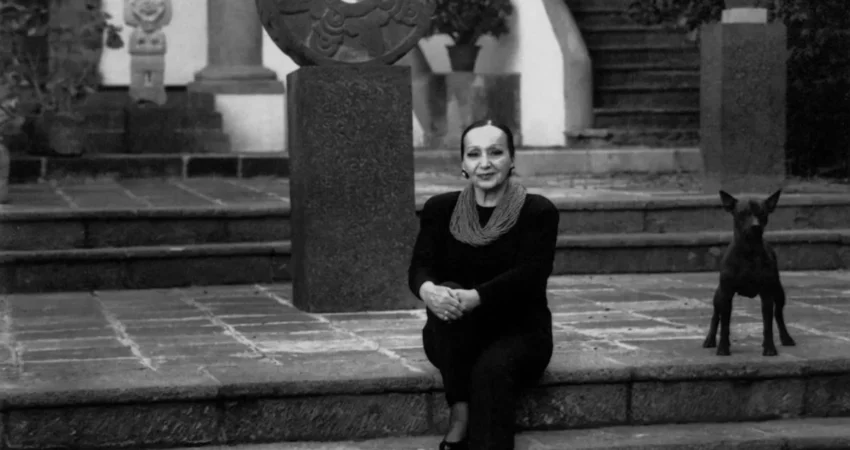
The heavy wooden gates of the La Noria estate in Xochimilco have swung open once again, signaling a new chapter for one of Mexico City’s most significant cultural landmarks. The reopening of the Dolores Olmedo Museum is not merely a return to business as usual; it represents the resolution of a protracted period of uncertainty regarding the future of one of the world’s most important private art collections. While the public returns to catch a glimpse of the iconic works of Frida Kahlo and Diego Rivera, the museum’s new iteration makes a concerted effort to shift the spotlight toward the woman behind the walls: María de los Dolores Olmedo Patiño y Suárez.

For years, the fate of the collection remained a subject of intense debate within Mexico’s cultural and political spheres. Following the museum’s temporary closure and rumors regarding the permanent relocation of its masterpieces to the new Aztlán Urban Park in Chapultepec, the reopening of the 16th-century hacienda in Xochimilco serves as a definitive statement on the importance of place. The return of the "Riveras," the "Kahlos," and the living fixtures of the estate—the peacocks and the prehistoric Xoloitzcuintle dogs—reaffirms Olmedo’s original vision of a holistic Mexican heritage site where art, architecture, and nature converge.
A Matriarchal Foundation and the Construction of a Fortune
To understand the Dolores Olmedo Museum, one must first understand the pragmatic and fiercely independent woman who founded it. Born in 1908 in Tacubaya, just before the outbreak of the Mexican Revolution, Olmedo was raised in an environment defined by female resilience. Following the early death of her father, her mother, María Patiño Suárez, a schoolteacher, became the central pillar of the household. This upbringing in a "matriarchy of necessity," where men were often absent due to the revolution, forged Olmedo’s character as a leader and a strategist.

Olmedo’s path to becoming a world-renowned patron of the arts was paved with industrial grit. Long before she was acquiring canvases at Sotheby’s and Christie’s, she was establishing herself in the male-dominated world of Mexican industry. Her business career began with the sale of creams and even school lunches, but it reached its zenith in the construction sector. In the 1940s and 1950s, Olmedo became a primary contractor for the Mexican federal government after acquiring a brick factory in Naucalpan. Her ability to navigate the complexities of post-revolutionary Mexican politics and business allowed her to amass a fortune that she would later use to "buy back" Mexico’s heritage.
"I never let a deal get away; I tie them all down," she once told the journalist Elena Poniatowska. This unsentimental business acumen is what allowed her to act as a "Mexican Peggy Guggenheim," though with the distinction that Olmedo built her wealth from the ground up rather than inheriting it.

The Rivera-Kahlo Collection: Preservation Through Obstinacy
The core of the museum’s prestige lies in its unparalleled collection of works by Diego Rivera and Frida Kahlo. However, the museum’s reopening emphasizes that these works did not arrive at La Noria by accident. Olmedo’s relationship with Rivera began when she was a teenager and he was painting murals at the Ministry of Public Education. While rumors of a romance persisted throughout their lives, Olmedo maintained that their bond was one of profound platonic love and mutual intellectual respect.
Olmedo’s acquisition of Rivera’s work was a lifelong project. She sought to create a comprehensive record of his artistic evolution, including his often-overlooked Cubist period spent in Europe. One of the most significant pieces in the collection, Frozen Assets (1931), a monumental fresco painted in New York, took years of negotiation to acquire. The work, which critiques the stratified layers of capitalist society, serves as a poignant irony within the collection: a communist masterpiece preserved and protected by a quintessential capitalist.

The presence of Frida Kahlo in the museum is perhaps more complex. Olmedo famously stated that she purchased Kahlo’s works largely at the request of Rivera, who was concerned about the legacy of his late wife. While Olmedo was instrumental in the global "Fridamania" by lending her collection to international museums for decades, she remained a staunch defender of Rivera’s technical superiority. In the newly reopened La Noria, Kahlo is treated as a "distinguished guest" rather than a permanent resident, reflecting Olmedo’s belief that Rivera was the true genius of the era. Nevertheless, the museum houses 26 of Kahlo’s most vital works, including The Broken Column, which has been granted a central, meditative space in the new layout.
Chronology of a Cultural Legacy
The timeline of the Dolores Olmedo Museum reflects the broader shifts in Mexican cultural policy over the last century:

- 1908: Birth of Dolores Olmedo in Tacubaya, Mexico City.
- 1930s: Initial meetings with Diego Rivera; Olmedo begins her foray into business and art appreciation.
- 1962: Olmedo acquires the La Noria hacienda, a dilapidated 16th-century estate, and begins an extensive restoration process.
- 1950s-1970s: Olmedo aggressively acquires works by Rivera and Kahlo, as well as thousands of pre-Hispanic artifacts and pieces of Mexican folk art.
- 1994: The Dolores Olmedo Museum officially opens to the public in Xochimilco.
- 2002: Death of Dolores Olmedo; the museum passes to a trust managed by her descendants.
- 2020-2023: Period of transition and controversy regarding the potential relocation of the collection.
- Present Day: Reopening of the La Noria site with a renewed focus on Olmedo’s biography and her role as a cultural architect.
The Domesticity of Art: "As She Lived"
One of the most striking aspects of the reopened museum is the preservation of the private quarters of the hacienda. Guadalupe Phillips, Olmedo’s granddaughter and a key figure in the museum’s management, has emphasized that the goal was not to create a sterile gallery but to maintain the environment exactly as Olmedo left it. "We haven’t touched anything," Phillips noted during a recent tour.
The main living room remains a crowded testament to Olmedo’s eclectic tastes. It is a space where a Chinese throne sits alongside Michoacán pottery, and portraits of Olmedo by artists like David Hockney and Howard S. Phillips hang near photographs of world leaders and popes. This lack of academic categorization is intentional; it reflects a personal "offering to Mexicanity." For Olmedo, art was not a series of isolated objects but a continuous conversation about the identity of her country.

The museum also continues to celebrate the living traditions that Olmedo championed, most notably the Day of the Dead. Her elaborate ofrendas (altars) became a major draw for the museum, often attracting visitors who were more interested in the folk traditions than the high art on the walls. By integrating these traditions, Olmedo ensured that her museum remained a popular destination for all Mexicans, not just the aesthetic elite.
Implications and Future Outlook
The reopening of the Dolores Olmedo Museum at its original site carries significant implications for the cultural landscape of Mexico City. First, it validates the importance of "geographical heritage." The hacienda of La Noria, with its colonial history and its location in the ancient canal district of Xochimilco, provides a context for the art that a modern gallery in Chapultepec could not replicate.

Secondly, the move to place Dolores Olmedo at the center of the narrative reflects a broader global trend of reevaluating the role of female collectors. Often dismissed as "muses" or "patrons," women like Olmedo were, in fact, strategic architects of cultural memory. Without her intervention, many of the works now considered national treasures might have been scattered across private collections worldwide.
Curator Aldo Sánchez points out that Olmedo’s "absolute skill" in business was the very thing that allowed her to be a successful steward of art. Her "feudal" management style, which drew criticism from some historians during her life, is now being viewed through a lens of protective preservation. She understood that in the volatile world of art and politics, a collection is only as strong as the walls—and the legal trusts—that surround it.

As rain falls over the lush gardens of La Noria, and the peacocks retreat to the stone corridors of the old convent, the message of the museum remains clear. It is inscribed in the tiles of the courtyard, quoting Olmedo’s mother: "Everything you have, share it with your fellow men." By reopening the doors to her home, the legacy of Dolores Olmedo ensures that her "frozen assets" remain a living, breathing part of Mexico’s public soul.

0 Comments