
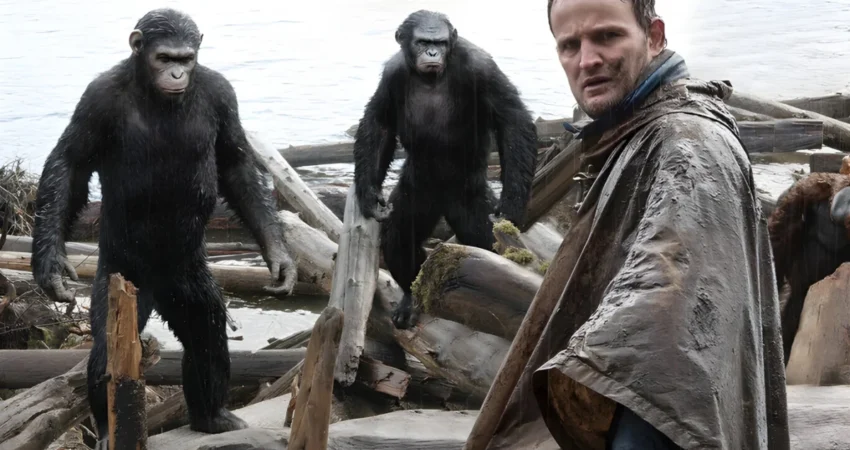
The digital streaming landscape is preparing for a significant shift in content availability as three major installments of the "Planet of the Apes" franchise are scheduled to depart the HBO Max library on September 7. This transition involves "Dawn of the Planet of the Apes," "War for the Planet of the Apes," and the most recent theatrical release, "Kingdom of the Planet of the Apes." The departure marks the end of a specific licensing window and highlights the ongoing consolidation of intellectual property following the acquisition of 20th Century Fox by The Walt Disney Company. For subscribers of the Warner Bros. Discovery-owned platform, this provides a final seven-day window to view these critically acclaimed science fiction works before they transition exclusively to Disney+ and digital purchase platforms.
The "Planet of the Apes" franchise has long been a cornerstone of the science fiction genre, but its modern iteration, which began in 2011, has redefined the standards for both visual effects and philosophical storytelling in blockbuster cinema. Collectively, the modern series has grossed over $1.6 billion at the global box office, proving that high-concept science fiction can achieve both commercial dominance and critical prestige. The departure of these three films from HBO Max represents a significant loss of "prestige" genre content for the service, as the trilogy is frequently cited by film historians and critics as one of the most consistent and technically impressive series of the 21st century.

Historical Context and the Modern Reboot Era
To understand the significance of the films leaving HBO Max, one must look at the trajectory of the franchise. While the original 1968 film starring Charlton Heston remains a landmark of cinema, the modern reboot era—often referred to as the "Caesar Trilogy" plus its subsequent sequels—shifted the focus from human protagonists to the apes themselves. This was made possible through the pioneering motion-capture work of Weta FX and the performance of Andy Serkis, who portrayed the lead ape, Caesar.
The narrative arc follows a catastrophic event where a laboratory-created virus, the ALZ-113 (colloquially known as the "Simian Flu"), grants primates enhanced intelligence while simultaneously decimating the global human population. This premise serves as the foundation for the three films currently under the spotlight. Unlike many contemporary franchises that rely on repetitive action tropes, this series has been lauded for its exploration of complex themes such as tribalism, the ethics of science, the cycle of violence, and the burden of leadership.
Analysis of the Departing Titles
Dawn of the Planet of the Apes (2014)
Directed by Matt Reeves, who would later go on to helm "The Batman," this second installment in the reboot series is often considered the franchise’s high-water mark. Set ten years after the initial outbreak, the film depicts a fragile peace between Caesar’s growing colony of intelligent apes and a desperate group of human survivors in San Francisco.

The film was a massive financial success, earning $710.6 million globally against a budget of approximately $170 million. Critically, it holds a 91% approval rating on Rotten Tomatoes. Industry analysts point to "Dawn" as the moment the franchise matured, moving away from the "origin story" mechanics of its predecessor and into a Shakespearean drama about the inevitability of conflict. The film’s technical achievement in rendering apes in outdoor, natural lighting was considered a breakthrough in 2014, earning an Academy Award nomination for Best Visual Effects.
War for the Planet of the Apes (2017)
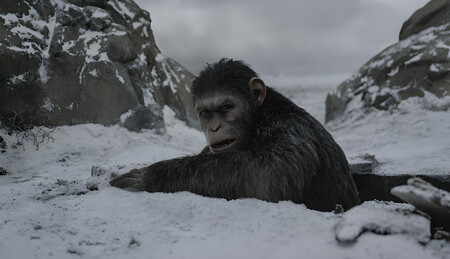
The conclusion of the Caesar-led trilogy, also directed by Matt Reeves, took the franchise into the territory of a war epic and a biblical exodus story. The narrative focuses on an obsessed human Colonel (played by Woody Harrelson) attempting to exterminate the apes to ensure human survival.
Financially, "War" earned $490.7 million. While this was a decrease from "Dawn," the film received even higher critical marks, boasting a 94% approval rating. Critics praised the emotional depth of the story and Andy Serkis’s performance, which sparked a multi-year industry debate regarding whether performance-capture acting should be eligible for Academy Awards. The film concluded Caesar’s journey, cementing his status as one of the most well-developed characters in modern science fiction.
Kingdom of the Planet of the Apes (2024)
The most recent addition to the saga, directed by Wes Ball (known for the "Maze Runner" trilogy), takes place several centuries after the death of Caesar. In this era, apes have become the dominant species, divided into various clans, while humans have regressed into a feral state. The plot follows a young ape named Noa who must challenge a tyrannical leader, Proximus Caesar, who has perverted the original Caesar’s teachings to build an empire.
Released in May 2024, "Kingdom" grossed $397.3 million. While it faced a more crowded theatrical marketplace and the lingering effects of the 2023 industry strikes, it maintained the franchise’s reputation for quality, securing an 80% critical approval rating. The film’s inclusion on HBO Max was part of a legacy agreement that allowed certain 20th Century Studios titles to stream on the platform before returning to Disney.
The Streaming Migration and Industry Implications
The movement of these titles is a direct result of the complex licensing agreements established during the Disney-Fox merger. Historically, 20th Century Fox had a "Pay-One" output deal with HBO, ensuring that their theatrical releases would stream on HBO and its digital counterparts for a set period. Following Disney’s $71.3 billion acquisition of Fox in 2019, Disney has been working to reclaim these rights to bolster its own streaming service, Disney+.
For HBO Max (now rebranded as Max in many territories), the loss of these titles represents the thinning of its third-party library. For Disney+, the acquisition of these films consolidates the entire "Planet of the Apes" catalog—including the 1968 original and its four sequels, the 1974 television series, and the 2001 Tim Burton remake—under one digital roof. This consolidation is a key strategy for Disney as it seeks to leverage its massive library of "Legacy IP" to maintain subscriber retention.
Chronology of the Modern Franchise
To assist viewers in their final week of streaming on HBO Max, the following chronology outlines the narrative progression of the modern series:
- Rise of the Planet of the Apes (2011): The origin of the Simian Flu and the birth of Caesar. (Currently primarily on Disney+).
- Dawn of the Planet of the Apes (2014): The first major conflict between apes and humans in the post-apocalyptic world. (Leaving HBO Max Sept 7).
- War for the Planet of the Apes (2017): The final stand of Caesar and the transition of the Earth to a "Planet of the Apes." (Leaving HBO Max Sept 7).
- Kingdom of the Planet of the Apes (2024): The distant future where ape civilizations have risen and human history has become myth. (Leaving HBO Max Sept 7).
Broader Cultural Impact and Legacy
The "Planet of the Apes" films leaving HBO Max are more than mere entertainment; they are studies in sociopolitical commentary. Throughout its history, the franchise has used the mirror of primate society to reflect human failings, including racism, militarism, and environmental neglect. The modern films specifically addressed the fear of pandemics and the fragility of modern infrastructure, themes that resonated deeply with global audiences over the last decade.

The technical legacy of these films cannot be overstated. The collaboration between actors like Andy Serkis and Karin Konoval with the digital artists at Weta FX created a new form of digital humanity. By the time of "Kingdom of the Planet of the Apes," the technology had advanced to a point where digital characters could convey subtle emotional cues previously thought impossible for CGI.
Conclusion for Subscribers
As the September 7 deadline approaches, the window for viewing these three significant cinematic achievements on HBO Max is closing. While they will remain available on Disney+, the shift highlights the increasingly fragmented nature of streaming rights. For fans of high-quality science fiction and technical filmmaking, the next seven days offer a final opportunity to experience the evolution and eventual triumph of the ape civilization within the HBO Max ecosystem. Following their departure, the platform will lose a significant portion of its science fiction prestige, further defining the boundaries between the major streaming giants.

0 Comments