
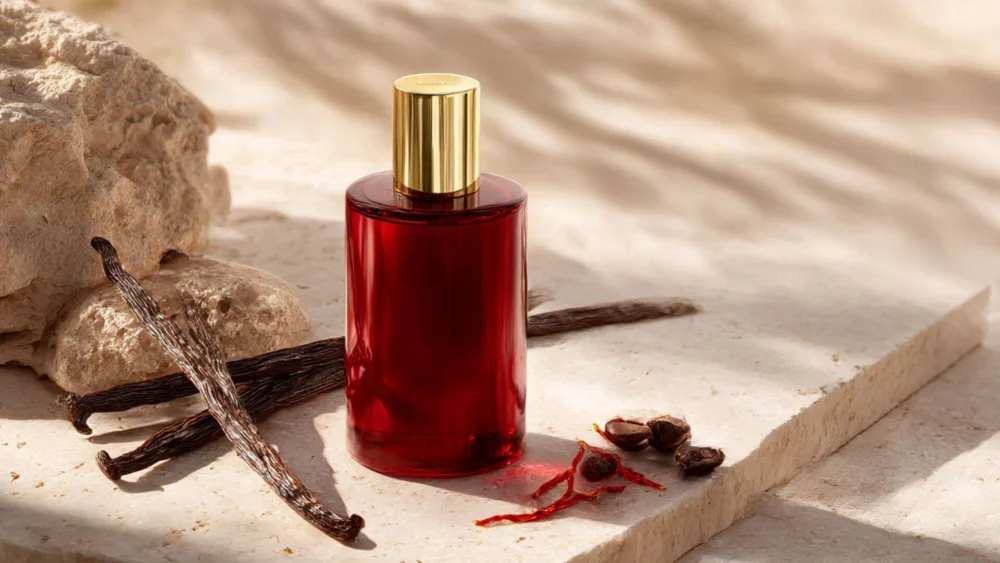
The Evolution of Zara’s Olfactory Strategy
For decades, the fragrance offerings within fast-fashion retail were largely functional, designed to mimic popular trends with low-cost ingredients and minimal staying power. However, the last five years have witnessed a radical transformation in Zara’s approach to perfumery. Recognizing the high profit margins and brand loyalty associated with the beauty sector, Inditex has invested heavily in research, development, and high-profile collaborations.
The journey toward the Red Temptation Vanille Extrait began with the brand’s decision to partner with world-renowned perfumers, such as Jo Malone CBE, whose "Zara Emotions" collection in 2019 redefined consumer expectations for high-street scents. This strategic move moved Zara away from "dupe culture"—the practice of creating inexpensive imitations of luxury scents—and toward a more original, artisanal identity. Today, the brand’s perfume department is a standalone pillar of its business model, contributing significantly to its annual revenue and attracting a demographic that previously shopped exclusively at high-end department stores.

Technical Analysis of Red Temptation Vanille Extrait
The Red Temptation Vanille Extrait distinguishes itself through its technical composition, specifically its 35% concentration. In the world of perfumery, concentration levels dictate both the intensity and the longevity of a scent. While an Eau de Toilette typically contains 5% to 15% perfume oil and an Eau de Parfum ranges from 15% to 20%, an Extrait de Parfum—often referred to as "pure perfume"—sits at the top of the hierarchy, usually exceeding 20% and, in this case, reaching a formidable 35%.
This high concentration serves a dual purpose. First, it ensures that the fragrance possesses a significant "sillage"—the trail left by a perfume as it evaporates off the skin. Second, it guarantees longevity, allowing the scent to remain detectable for twelve hours or more. For the consumer, this represents a high value-to-cost ratio, as fewer sprays are required to achieve a lasting effect.
The olfactory pyramid of Red Temptation Vanille Extrait is meticulously balanced to appeal to the modern "gourmand" preference, a category of fragrances characterized by edible-smelling notes.

The Top Notes: Saffron and Spice
The fragrance opens with saffron, often referred to as "red gold" in both the culinary and perfumery worlds. Saffron provides a leathery, slightly metallic, and earthy sweetness that immediately elevates the composition. It acts as a bridge between the spicy and the sweet, preventing the fragrance from becoming cloying.
The Heart Notes: Cacao and Floral Elegance
As the initial spice settles, the heart reveals a sophisticated blend of dark cacao and jasmine. The cacao used here is not the sugary variety found in milk chocolate but rather a bitter, powdery, and rich aroma that evokes freshly grated cocoa beans. This is paired with jasmine, a "white floral" that adds a clean, airy dimension. The inclusion of vanilla orchid—a specific variety that bridges the gap between floral and gourmand—adds a creamy texture that prepares the senses for the base.
The Base Notes: Amber and Vanilla Absolute
The dry-down of the fragrance is where its "Extrait" nature truly shines. The base is built upon a foundation of amber and vanilla. The amber provides a warm, resinous quality that acts as a fixative, binding the other notes to the skin. The vanilla note is interpreted not as a simple synthetic sweetener but as a deep, woody, and almost boozy essence reminiscent of a freshly sliced vanilla bean.

The Global Vanilla Trend and Market Context
The release of a vanilla-centric extrait is a calculated response to current global fragrance trends. Market data from 2024 and 2025 indicates a massive resurgence in vanilla-based scents, driven largely by a consumer desire for "comfort scents" in a post-pandemic world. Vanilla, scientifically associated with feelings of security and nostalgia, has moved beyond its reputation as a "basic" scent to become the centerpiece of sophisticated, unisex compositions.
Competitors in the mid-range market have also noted this shift. Equivalenza, another significant player in the accessible fragrance market, has seen similar success with its Vanille Noire fragrance. While Equivalenza’s offering focuses on a blend of hibiscus, tea, and wood notes at a price point of 19.95 euros, Zara’s Red Temptation Vanille Extrait targets a slightly more premium segment of the mass market, pricing its 50ml bottle at 25.95 euros. This five-euro difference reflects the higher concentration and the more complex "Extrait" formulation.
Economic Implications for the Inditex Group
The expansion of the Red Temptation line into various flankers—including Summer, Winter, and now the Vanille Extrait—mirrors the release cycles of luxury houses like Dior or Chanel. By creating a "franchise" around a successful scent profile, Zara maximizes the lifetime value of its customers.

Fragrance is an exceptionally lucrative category for fashion retailers because it requires no fitting rooms, has no "size" constraints, and possesses a much longer shelf life than seasonal apparel. For Inditex, the perfumery section acts as a gateway for new customers. A consumer who may not find their size in a Zara dress can still walk away with a 25-euro luxury-feeling perfume, maintaining a brand connection that is both emotional and financial.
Industry analysts suggest that the success of these high-concentration fragrances has forced traditional luxury brands to reconsider their entry-level pricing. When a retailer can offer a 35% concentration fragrance for under 30 euros, it puts pressure on prestige brands whose Eau de Parfums often start at 120 euros for a similar volume.
Social Media and the "Dupe" Discourse
The viral nature of the Red Temptation collection cannot be overstated. On platforms like TikTok and Instagram, the original Red Temptation was famously compared to Maison Francis Kurkdjian’s Baccarat Rouge 540, one of the most expensive and sought-after fragrances in the world. This comparison acted as a catalyst, propelling Zara’s beauty department into the global spotlight.

However, with the Vanille Extrait, Zara appears to be moving toward a more distinct identity. While it retains the "DNA" of the original Red Temptation (the saffron and amber), the heavy emphasis on cacao and orchid positions it as a unique creation rather than a mere alternative to a luxury product. This shift is crucial for the long-term sustainability of Zara Beauty, as it builds a reputation for original olfactory excellence.
Sustainability and Manufacturing Standards
As the beauty industry faces increasing scrutiny over its environmental impact, Zara has begun implementing more sustainable practices within its fragrance production. The Red Temptation Vanille Extrait is produced in Europe, adhering to the strict safety and quality standards set by the International Fragrance Association (IFRA).
Furthermore, Zara has introduced refillable options for several of its major scent lines, although the Extrait versions currently remain in specialized glass bottles designed to protect the high-concentration oils from UV degradation. The heavy, minimalist aesthetic of the bottle reflects a "quiet luxury" approach, designed to look as high-end on a vanity as it smells on the skin.

Conclusion and Future Outlook
The launch of Red Temptation Vanille Extrait is a testament to the maturation of the fast-fashion beauty sector. By prioritizing high oil concentrations, collaborating with elite perfumers, and identifying global scent trends with precision, Zara has successfully blurred the lines between the high street and the high-end.
For the consumer, the availability of an Extrait de Parfum at a 25.95 euro price point democratizes the luxury experience, allowing a wider audience to enjoy the complexity and longevity previously reserved for the elite. As the "gourmand" trend continues to evolve, it is likely that Inditex will continue to expand its "Extrait" offerings, further cementing its position as a dominant force in the global fragrance industry. The broader implication for the market is clear: the value of a fragrance is no longer determined solely by the logo on the bottle, but by the technical mastery and olfactory depth of the juice inside.

0 Comments