
 Rifan Muazin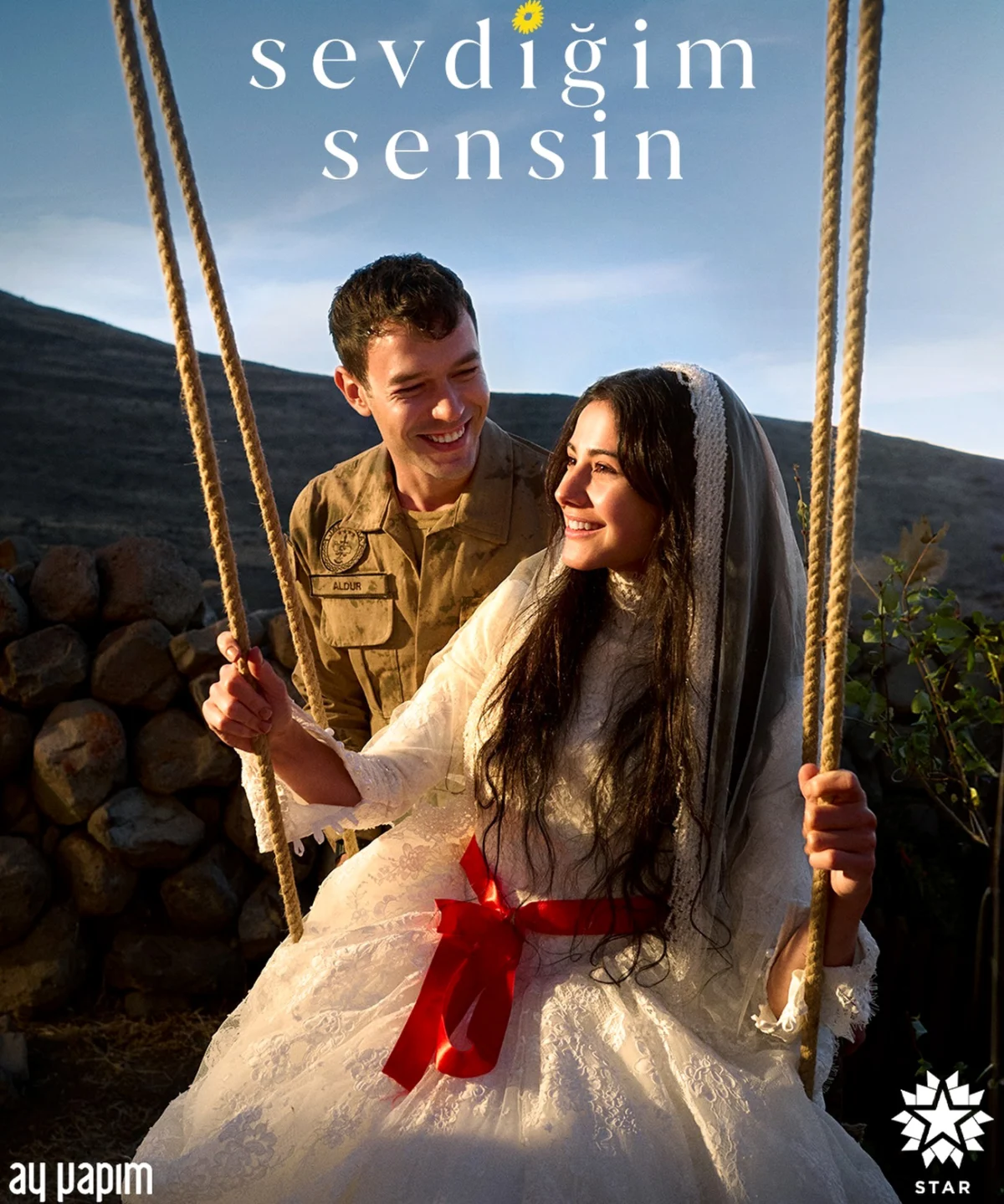
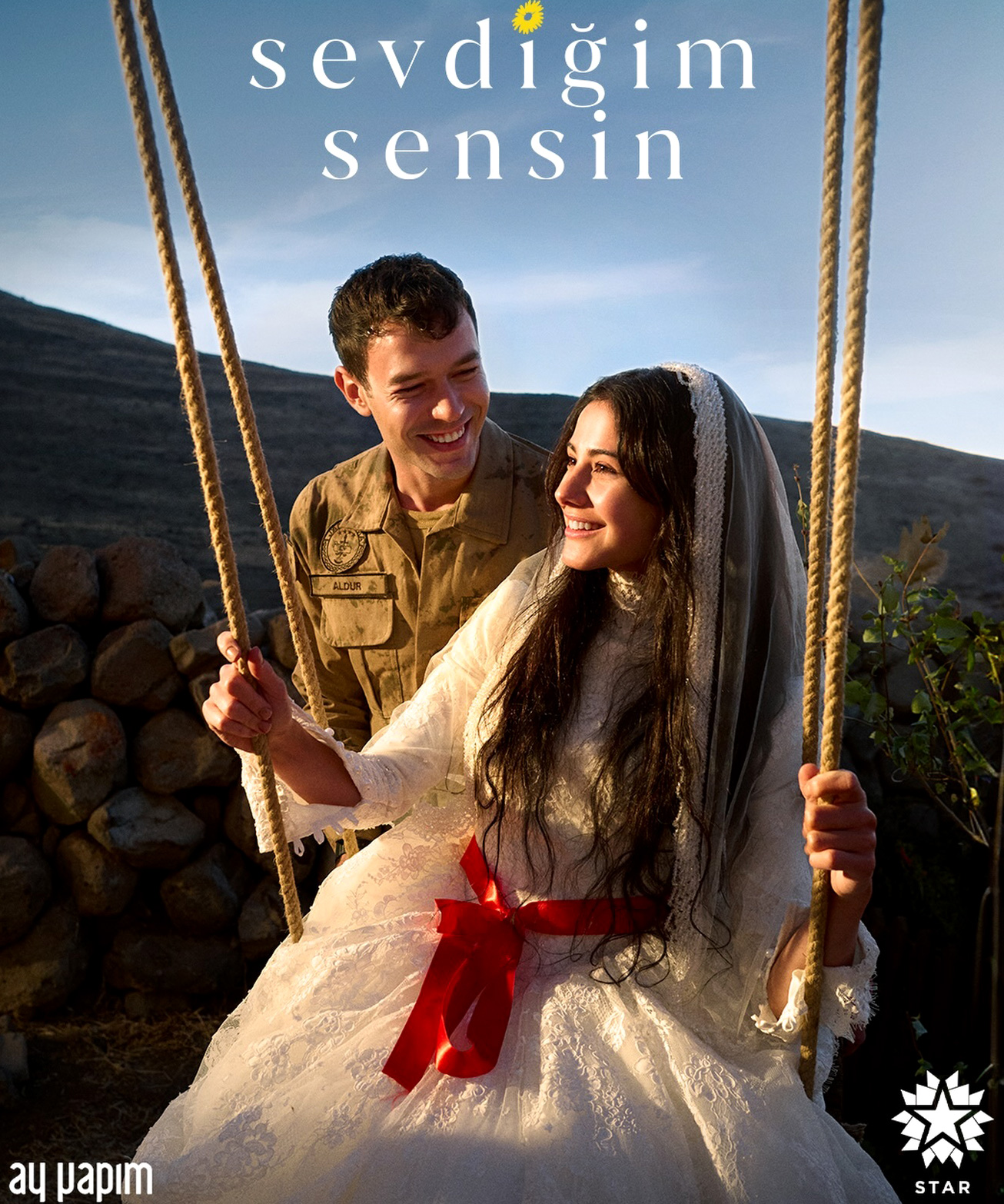
Star TV has launched its latest compelling drama series, "You Are the One I Love" (Sevdigim Sensin), a narrative poised to delve deep into themes of societal disparity, honor, sacrifice, and the transformative power of an unexpected bond. Premiering on February 12, 2026, the series is a production of the renowned Ay Yapim, promising audiences a gripping story with episodes spanning 120-150 minutes, indicative of the expansive storytelling characteristic of Turkish television. Directed by Gokcen Usta, with a screenplay by Yesim Aslan and an original story conceived by Coskun Irmak, the drama is set to unfold against the contrasting backdrops of a rural Anatolian village and the bustling metropolis of Istanbul.
The Genesis of an Unconventional Union: A Disaster-Stricken Encounter
The narrative of "Sevdigim Sensin" is ignited by a devastating earthquake in Eastern Turkey, a common and often tragic reality in the seismically active region. This natural disaster serves as the catalyst for the unlikely meeting of two individuals from vastly different worlds. Erkan Aldur (portrayed by Aytac Sasmaz), a scion of an affluent and influential Istanbul family, is serving his military duty in a remote Eastern village when the earthquake strikes. His privileged background contrasts sharply with the harsh realities faced by the local populace, yet his sense of duty compels him to assist in the relief efforts.
It is amidst this chaos and humanitarian crisis that Erkan’s path crosses with Dicle Demir (Helin Kandemir), a 20-year-old woman living in abject poverty. Dicle’s life has been one of extreme hardship, shaped by strict patriarchal values prevalent in her small village. Illiterate and sheltered, she has not ventured beyond her home since the age of six, a testament to the oppressive environment in which she was raised. Her existence is one of fear and limited autonomy, burdened by the responsibility of caring for a sick mother and navigating the absence of her two elder brothers, who are away for work.
A Desperate Act of Protection: From Kidnapping to a ‘Paper Marriage’
The earthquake’s aftermath creates a power vacuum, making the vulnerable even more susceptible to exploitation. Dicle falls victim to local gangsters who attempt to kidnap her, leveraging the absence of her brothers and the villagers’ preoccupation with the disaster. Erkan, witnessing this grave danger, intervenes heroically. In a fierce struggle to protect Dicle, he sustains injuries, but successfully fends off her abductors.
However, Dicle’s ordeal does not end with her rescue. In a grim reflection of deeply entrenched societal norms, her brothers, upon learning of the kidnapping, intend to kill her to "restore family honor" and adhere to rigid social expectations. This concept of honor, often interpreted with extreme severity in certain traditional communities, dictates that a woman’s perceived defilement, regardless of her innocence, can bring shame upon her family, sometimes leading to violent retribution. Erkan, upon discovering their horrifying intentions, is faced with a profound moral dilemma.
Driven by an acute sense of responsibility and an innate desire to protect the innocent, Erkan makes an impulsive, life-altering decision: he marries Dicle. This is not a union born of love or romantic inclination, but a strategic act of self-sacrifice designed to shield her from an honor killing. His intention is clear: to provide Dicle with a new life, free from the oppressive environment of her village and the threat posed by her own family. Their marriage is, therefore, a "paper marriage," a legal formality devoid of emotional intimacy, at least initially.
The Unforeseen Journey to Istanbul: A Clash of Worlds
Following his military service, Erkan plans to secure Dicle’s safety under government protection, allowing him to pursue his own aspirations, including a move to the United Kingdom. However, Dicle, who now views Erkan as her savior and sole protector, vehemently refuses to be separated from him, expressing a preference for death over abandonment. This unexpected defiance forces Erkan to alter his plans drastically.
With no other recourse, Erkan brings Dicle to Istanbul. His immediate strategy is to maintain the secret of their marriage, particularly from his own family, while he devises a long-term solution to free Dicle from her abusive relatives, eventually aiming for a divorce. To conceal their true relationship, Dicle is presented as an earthquake orphan seeking employment in Istanbul, a narrative designed to avoid scrutiny and societal judgment.
Istanbul, a city synonymous with modernity and progress, becomes a bewildering and often hostile landscape for Dicle. Having spent her entire life in a secluded village, she is thrust into a world of unfamiliar cultures, values, and expectations. She faces relentless hostility, prejudice, and humiliation as she navigates this new reality, constantly striving to adapt and prove her worth amidst a backdrop of perpetual criticism. This cultural chasm is a central theme, highlighting the vast disparities within Turkish society.
Simultaneously, Erkan grapples with the immense consequences of his impulsive decision. The reality of his secret marriage proves far more complex than anticipated, making divorce a daunting prospect. He finds himself caught in a profound conflict between his modern sensibilities and traditional familial obligations, struggling to balance his responsibilities towards his powerful family with his burgeoning commitment to Dicle’s well-being. The series thus poses fundamental questions: Can their secret marriage endure? Will Dicle successfully integrate into Istanbul’s complex social fabric and gain control over her own destiny? How will Erkan reconcile his past aspirations with his new responsibilities, and will his feelings for Dicle evolve beyond mere obligation?
A Deep Dive into the Ensemble: Characters and Their Intertwined Destinies
The rich tapestry of "Sevdigim Sensin" is woven through its diverse and complex characters, each embodying different facets of Turkish society and personal struggle.
-
Erkan Aldur (Aytac Sasmaz): As the protagonist, Erkan is portrayed as a thoughtful, responsible, and respectful young man from a highly influential Istanbul family. His actions, though impulsive, are rooted in a strong moral compass. His journey will likely explore the evolution of his character as he grapples with the unforeseen consequences of his sacrifice and potentially develops genuine feelings for Dicle.
-
Dicle Demir (Helin Kandemir): Dicle’s character is a poignant representation of women living under extreme patriarchal conditions. Illiterate, naive, and previously devoid of agency, her transformation in Istanbul will be a critical arc. She views Erkan as her savior, and her unwavering loyalty and gradual empowerment promise a compelling narrative of resilience.
-
Esat Aldur (Huseyin Avni Danyal): Erkan’s father, Esat, is the patriarch of the Aldur family, a formidable figure whose primary concern is the family business and its legacy. His desire for Erkan to marry Burcin is not based on love but on strategic alliances, a common theme in dramas exploring wealthy families, setting up a major obstacle for Erkan and Dicle’s secret.
-
Inci Aldur (Esra Ronabar): Erkan’s mother, Inci, is a strong woman who ironically engages in volunteer work for women’s empowerment. This aspect of her character introduces a fascinating layer of potential hypocrisy or internal conflict within the family, especially if Dicle’s true story were to be revealed. Her advocacy for women’s rights could either make her Dicle’s ally or highlight the performative nature of some societal philanthropy.
-
Tahir Aldur (Cihat Suvarioglu): Erkan’s elder brother, Tahir, embodies sibling rivalry and insecurity. As the eldest son, he yearns for control of the family business but is undermined by his vulnerability and his father’s perceived preference for Erkan. His jealousy and constant need to prove himself could lead to machinations that threaten Erkan’s secrets and Dicle’s safety.
-
Nilufer Aldur (Deniz Isin): Erkan’s sister, Nilufer, is recently divorced and struggles for independence while living under her parents’ control. Her desire to work and gain autonomy provides another perspective on women’s struggles within affluent, traditional families, potentially creating a bond of understanding with Dicle.
-
Burcin Parsoglu (Elcin Zehra Irem): Erkan’s long-term girlfriend, Burcin, comes from a wealthy family closely connected to the Aldurs. Her deep love for Erkan and her dreams of marriage make her a significant antagonist to Dicle. Described as "fragile" and having "psychological problems," Burcin’s reaction to the truth about Erkan’s secret marriage could be dangerously unpredictable, adding a layer of suspense and high stakes to the unfolding drama. Her tendency to endanger her own life when faced with difficulties hints at severe emotional instability.
Ay Yapim’s Legacy and the Global Appeal of Turkish Drama
The involvement of Ay Yapim, one of Turkey’s most prolific and internationally recognized production companies, underscores the high expectations for "Sevdigim Sensin." Ay Yapim has been instrumental in shaping the global phenomenon of Turkish dramas, producing critically acclaimed and commercially successful series such as Kara Sevda (Endless Love), Ezel, and Fatmagül’ün Suçu Ne? (What is Fatmagül’s Fault?). Their productions are known for their high production values, compelling storytelling, and ability to tackle complex social issues, often finding massive audiences across the Middle East, Latin America, Eastern Europe, and beyond. "Sevdigim Sensin," with its universal themes of love, sacrifice, social class conflict, and personal transformation, is poised to continue this legacy.
The decision to film in both Gozlukuyu/Aksaray and Istanbul is strategic, offering a stark visual contrast between Dicle’s impoverished, tradition-bound village and the vibrant, modern metropolis. This geographical duality not only serves as a backdrop but also as a character in itself, emphasizing the cultural and economic divides central to the story.
Broader Implications and Social Commentary
"You Are the One I Love" is more than just a romance; it’s a vehicle for significant social commentary. The series boldly confronts the enduring issues of patriarchal oppression, honor killings, and the vast socio-economic disparities that persist within Turkey. By portraying Dicle’s journey from an isolated, illiterate village girl to a woman potentially finding her voice and independence in Istanbul, the drama sheds light on the challenges faced by countless women in similar circumstances. Inci Aldur’s character, a wealthy woman advocating for women’s empowerment, offers a nuanced perspective on how these issues are perceived and addressed (or overlooked) even within privileged circles.
The series also explores the complex interplay between traditional values and modern aspirations, particularly through Erkan’s character. His internal conflict reflects a broader societal tension in Turkey, where ancient customs often clash with contemporary ideals. The depiction of honor killings, though condemned, serves as a stark reminder of the extreme consequences that traditional interpretations of honor can still yield. The series, therefore, offers a powerful platform for discussion and reflection on these sensitive topics.
Comparing "Sevdigim Sensin" to other popular Turkish dramas like "Gumus" (Silver), an early example of rural-urban culture clash in a marriage, and "The Golden Boy" (Yali Capkini), which also features wealthy families and complex relationships, places it within a successful lineage of storytelling. It leverages proven narrative tropes while aiming to inject fresh perspectives on evolving societal dynamics.
As "You Are the One I Love" unfolds, audiences will undoubtedly be drawn into the intricate web of secrets, sacrifices, and cultural clashes. The series promises to be a journey of personal growth and emotional discovery, challenging its characters – and its viewers – to confront the deep-seated prejudices and expectations that shape lives in contemporary Turkey. The ultimate question remains: Can love, born out of necessity and sacrifice, truly bridge the chasm between two disparate worlds and lead to genuine happiness and self-realization? The initial episodes hint at a saga that will keep viewers captivated and engaged in these profound questions.


 Eva Lovia
 Julia Chirkova
 Julia Prastini
 Jia Lissa
 admin
admin
 Raisa Andriana