
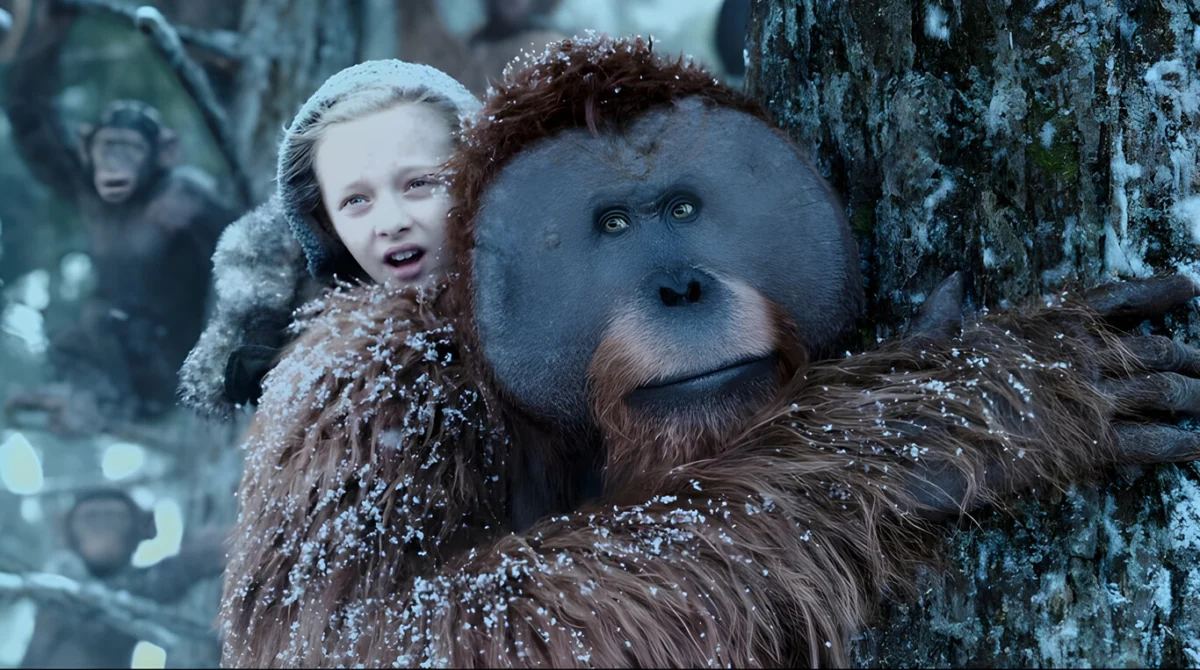
HBO Max has officially integrated three pivotal installments of the Planet of the Apes franchise into its streaming library, marking a significant shift in the digital distribution landscape for one of modern cinema’s most critically acclaimed science fiction sagas. Following a period of more than 1,800 days during which these titles were largely exclusive to Disney+, subscribers of the Warner Bros. Discovery-owned platform can now access Dawn of the Planet of the Apes, War for the Planet of the Apes, and the most recent entry, Kingdom of the Planet of the Apes. This move reflects a broader industry trend toward non-exclusive licensing as major studios seek to maximize the reach and revenue of their high-value intellectual properties.
The inclusion of these films on HBO Max provides a comprehensive look at the evolution of the simian empire, from the fragile attempts at peace between species to the eventual establishment of a world where primates reign supreme. While the foundational 2011 film, Rise of the Planet of the Apes, and the legacy films from the 1960s and 70s remain primary fixtures of the Disney+ catalog, the arrival of the most technologically advanced and narratively complex chapters on a competing platform offers a new entry point for audiences who have yet to experience the modern reboot of the franchise.
A Chronology of the Simian Uprising
The modern Planet of the Apes franchise, which began in 2011, serves as both a reboot and a prequel to the 1968 classic. The narrative arc available on HBO Max begins with the aftermath of a global catastrophe. In Dawn of the Planet of the Apes (2014), the world has been decimated by the "Simian Flu," a laboratory-engineered virus that proved fatal to humans while exponentially increasing the intelligence of primates. Set a decade after the initial outbreak, the film explores the tense negotiations between a burgeoning community of genetically evolved apes, led by the chimpanzee Caesar, and a small group of human survivors in San Francisco.
The tension of the second film escalates into total conflict in War for the Planet of the Apes (2017). This installment serves as the emotional climax of Caesar’s journey, depicting a world where the possibility of coexistence has vanished. The film is structured as a grim, epic western and war drama, focusing on the psychological toll of leadership and the lengths to which a species will go to ensure its survival. It concludes the "Caesar Trilogy" by establishing the apes as the rightful heirs to a world the humans can no longer inhabit.
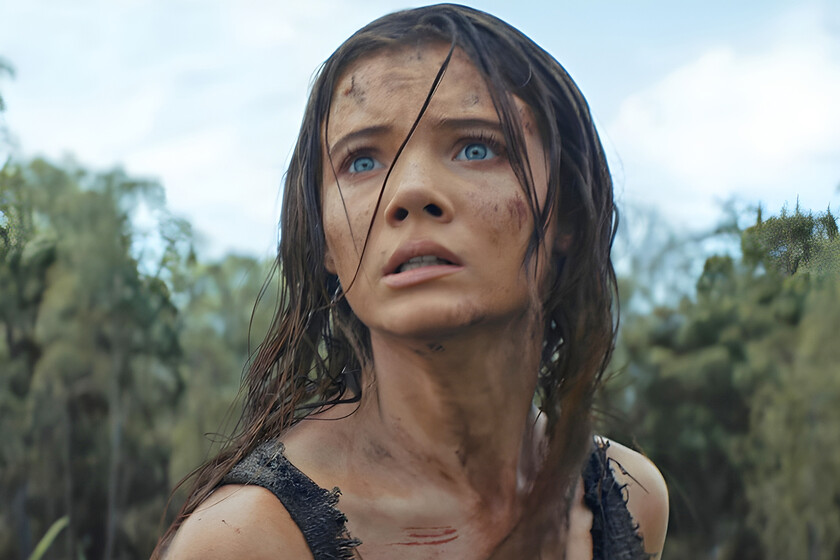
The most recent addition, Kingdom of the Planet of the Apes (2024), leaps forward several centuries. The era of Caesar has passed into legend, and the world has returned to a lush, natural state where human structures have been reclaimed by the forest. This "New Kingdom" introduces a new protagonist, Noa, and explores how the teachings of Caesar have been distorted over generations to justify new forms of tyranny. By shifting the timeline so drastically, the franchise explores the cyclical nature of history and the inevitable rise of power struggles, regardless of the species in control.
Technological Innovation and the Role of Performance Capture
One of the primary reasons the Planet of the Apes saga is regarded as a benchmark for modern blockbusters is its revolutionary use of performance capture technology. Under the direction of Matt Reeves for Dawn and War, and Wes Ball for Kingdom, the films pushed the boundaries of digital visual effects to create characters that possess genuine emotional depth.
Andy Serkis, renowned for his work as Gollum in The Lord of the Rings, delivered a career-defining performance as Caesar. By utilizing sensors to track facial expressions and body movements, Weta FX (formerly Weta Digital) was able to translate Serkis’s nuanced acting into the digital model of a chimpanzee. This process allowed the audience to connect with a non-human protagonist on a level rarely seen in cinema. The industry response to these performances sparked years of debate regarding whether performance capture acting should be eligible for Academy Awards, highlighting the "soul" that Serkis and his colleagues brought to the digital medium.

In the latest installment, Kingdom of the Planet of the Apes, director Wes Ball opted for a different aesthetic approach. While the previous films relied heavily on controlled environments and soundstages, Kingdom was filmed largely in natural locations. This decision was intended to reduce the "clinical" feel of green-screen environments, allowing the digital characters to interact with authentic lighting and organic textures. The result is a post-apocalyptic world that feels vibrant and alive, contrasting with the bleak, desaturated palettes typical of the dystopian genre.
Critical and Commercial Impact
The financial and critical success of the franchise underscores its importance in the contemporary film landscape. According to data from Box Office Mojo, the modern Planet of the Apes series has grossed over $1.6 billion globally. This commercial viability is matched by near-universal critical acclaim, a rarity for long-running franchises.
On the review aggregator Rotten Tomatoes, the three films now available on HBO Max maintain high approval ratings:
- Dawn of the Planet of the Apes: 91%
- War for the Planet of the Apes: 94%
- Kingdom of the Planet of the Apes: 80%
Critics have frequently lauded the series as the "gold standard" for intelligent blockbusters. Writing for Variety, reviewers noted that the films successfully balance high-stakes action with profound philosophical inquiries into the nature of humanity, tribalism, and the ethics of war. Unlike many contemporary "popcorn movies," the Apes saga avoids simple hero-versus-villain tropes, instead opting for a tragic exploration of how fear and misunderstanding lead to inevitable destruction.

Strategic Licensing and the Streaming Evolution
The migration of these titles to HBO Max is a significant indicator of the changing strategies within the "streaming wars." Initially, major studios like Disney and Warner Bros. sought to build "walled gardens," keeping their most valuable assets exclusive to their own platforms to drive subscriber growth. However, as the market has reached a point of saturation, studios are shifting their focus toward profitability and debt reduction.
By licensing 20th Century Studios titles—a subsidiary of Disney—to Warner Bros. Discovery’s HBO Max, Disney generates significant licensing revenue while still maintaining the films on their own platform. This "co-exclusive" or "windowed" approach allows films to find new audiences who may not subscribe to every service. For HBO Max, the addition of these films strengthens its science fiction and "prestige blockbuster" category, providing high-quality content that encourages subscriber retention.
This move also highlights the enduring legacy of the 1968 original film based on Pierre Boulle’s novel. While the technology has changed from rubber masks to sophisticated algorithms, the core themes of the franchise remain relevant. The arrival of these films on a new platform ensures that the 60-year-old legacy of the Planet of the Apes continues to evolve for a new generation of viewers.
Broader Implications for the Genre
The success of the Planet of the Apes franchise has had a ripple effect across the science fiction genre. It demonstrated that audiences are willing to support big-budget films that do not rely on traditional human protagonists or superhero tropes. The series’ commitment to practical locations, complex character arcs, and social commentary has influenced other modern reboots and original sci-fi projects.

Furthermore, the franchise’s ability to reinvent itself—moving from the intimate character study of Rise to the war epic of War and finally to the adventure-exploration of Kingdom—shows a level of creative flexibility that many franchises lack. By diversifying the tone and scope of each entry, the creators have managed to avoid "franchise fatigue," a phenomenon that has plagued other major cinematic universes in recent years.
As HBO Max subscribers begin to explore or revisit these films, the narrative of Caesar and his descendants stands as a testament to the power of high-concept storytelling. The trilogy’s transition to a new streaming home marks not just a change in digital availability, but a celebration of a series that redefined what a modern blockbuster could achieve both technically and emotionally. Whether viewed as a cautionary tale about scientific hubris or an epic saga of a new civilization’s birth, the Planet of the Apes remains a cornerstone of 21st-century cinema.

0 Comments