
 Nila Kartika Wati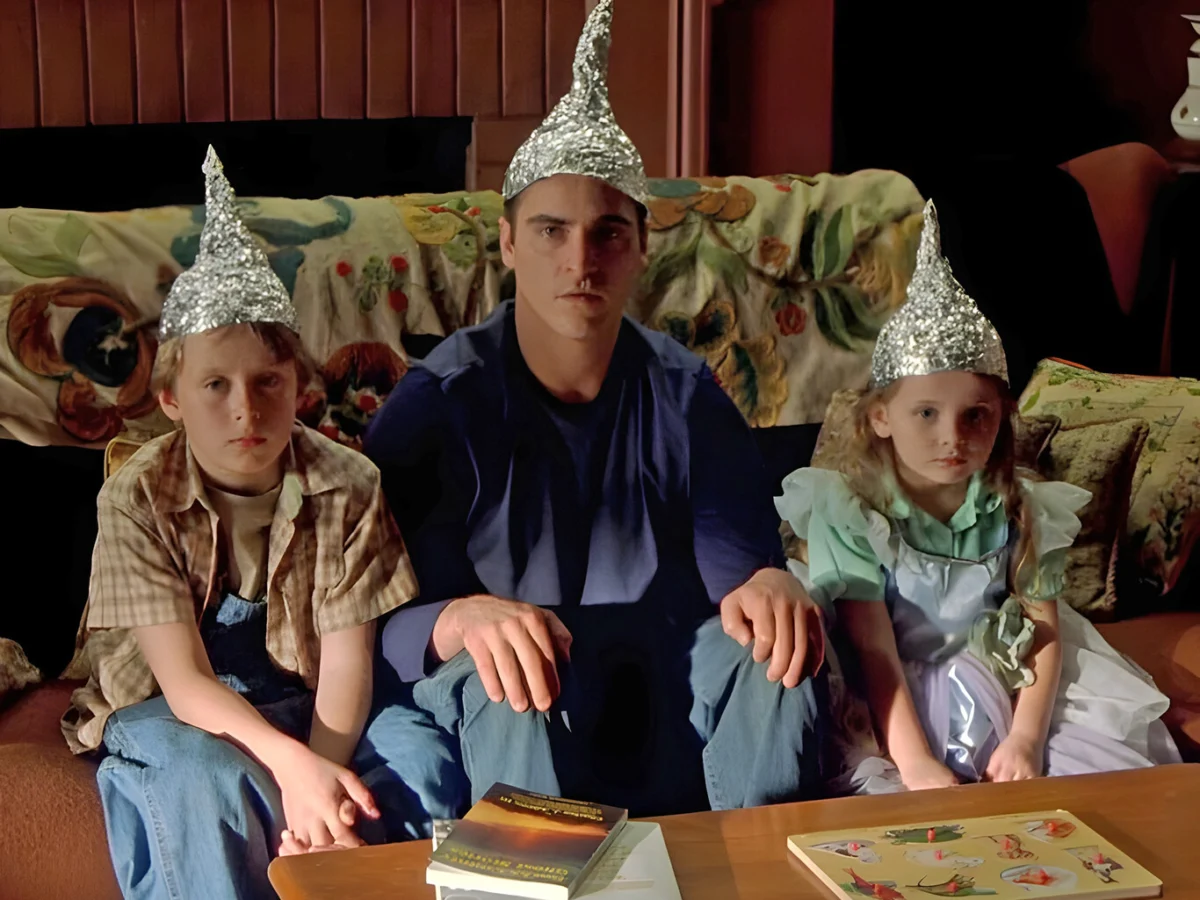
The digital library of Netflix is set to undergo a significant change as one of the most influential science fiction thrillers of the early 21st century, M. Night Shyamalan’s Signs, prepares for its scheduled departure on March 24. Released in 2002, the film represented a pivotal moment in the career of its director and the landscape of psychological horror, blending a minimalist approach to an alien invasion with a profound exploration of grief and spiritual restoration. Starring Mel Gibson and Joaquin Phoenix, the film’s removal from the platform serves as a reminder of the shifting nature of streaming licensing agreements and offers a final window for subscribers to revisit a work that continues to spark intense debate among cinephiles and theorists two decades after its theatrical debut.
The Context of the 2002 Release and Shyamalan’s Golden Era
To understand the weight of Signs in the current cinematic canon, one must look back at the environment of its release. In 2002, M. Night Shyamalan was at the height of his commercial and critical powers. Following the massive success of The Sixth Sense (1999) and the cult deconstruction of superhero mythology in Unbreakable (2000), Shyamalan was frequently hailed by critics—most notably in a Time Magazine cover story—as "The Next Spielberg."
Signs was produced by Touchstone Pictures and Blinding Edge Pictures with a budget of approximately $72 million. It arrived at a time when the world was still grappling with the anxieties of the post-9/11 era, a factor many cultural historians believe contributed to the film’s atmosphere of domestic vulnerability and unseen threats. Unlike the high-octane, city-leveling spectacles of the late 90s, such as Independence Day, Signs took a radically different approach. It confined the global event of an extraterrestrial arrival to the narrow perspective of a single farmhouse in Bucks County, Pennsylvania. This decision turned the film into a claustrophobic character study rather than a traditional action blockbuster.
Narrative Structure and the Convergence of Faith and Fear
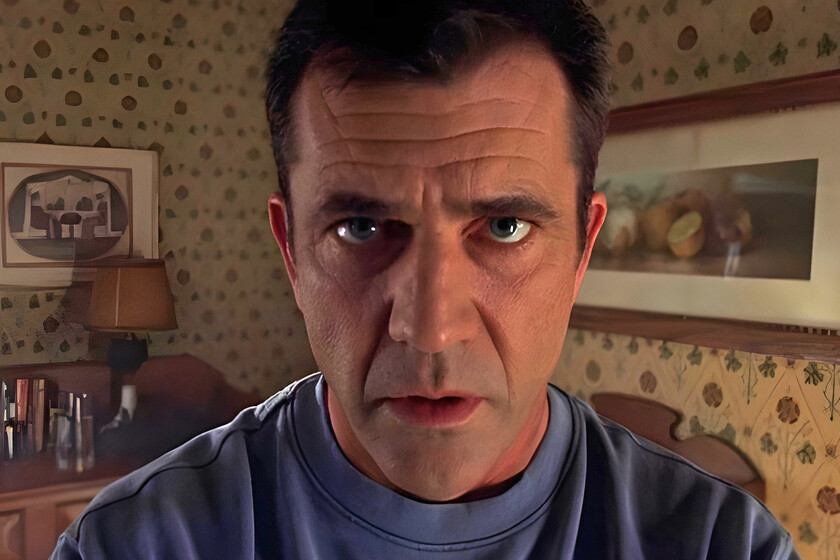
The plot of Signs follows Graham Hess (Mel Gibson), a former Episcopal priest who has abandoned his vestments and his faith following the tragic death of his wife in a freak traffic accident. Living on a secluded farm with his younger brother, Merrill (Joaquin Phoenix), and his two young children, Morgan (Rory Culkin) and Bo (Abigail Breslin), Graham’s life is defined by a stoic rejection of the divine. This domestic isolation is shattered when massive, intricate crop circles appear in their cornfields.
The film meticulously tracks the family’s descent into paranoia as the phenomenon spreads globally. Shyamalan utilizes the media—specifically television news reports and radio broadcasts—to provide a window into the worldwide panic, while keeping the physical threat largely off-screen. This technique of "restricted narration" ensures that the audience only knows what the Hess family knows, heightening the tension through sound design and the power of suggestion.
One of the film’s most enduring technical achievements is its use of sound. From the clicking noises heard over baby monitors to the scuttling sounds on the roof of the farmhouse, the film builds a sensory experience of dread. The score, composed by James Newton Howard, is anchored by a haunting three-note motif that mirrors the cyclical nature of the family’s trauma and the "signs" appearing around them.
The Enduring Mystery: The Demon Theory vs. The Alien Narrative
While Signs is ostensibly a film about an alien invasion, a persistent and widely accepted fan theory suggests a much deeper, more supernatural layer to the story. For years, theorists have argued that the invaders are not biological extraterrestrials from another planet, but rather demonic entities.

The evidence cited for this "Demon Theory" is substantial and changes the viewer’s perception of the film’s internal logic. Proponents point out that the creatures do not use technology, space suits, or advanced weaponry, despite having mastered interstellar travel. Instead, they behave like predatory spirits. Under this lens, the "weakness" of the creatures—water—is reinterpreted. In the context of a priest regaining his faith, the water Bo leaves around the house is not merely H2O, but symbolically "holy water" due to her innocence and the spiritual significance of the household’s journey.
Furthermore, the film’s climax hinges on a series of "coincidences" that Graham eventually recognizes as a divine plan. His wife’s dying words, Merrill’s failed baseball career, and Bo’s idiosyncratic habit of leaving water glasses everywhere all converge in a single moment of survival. This interpretation aligns with the film’s central question: Is the universe governed by chance, or are there no coincidences? By the end of the film, Graham’s return to the priesthood suggests that for him, the "signs" were a call to spiritual awakening rather than a mere biological threat.
Commercial Success and Critical Reception
Upon its release on August 2, 2002, Signs was a formidable box office success. It opened to $60.1 million in the United States, eventually grossing $228 million domestically and over $179 million internationally. With a total global haul of approximately $408 million, it remains one of the highest-grossing films of Mel Gibson’s career and cemented Joaquin Phoenix’s status as a leading man.
Critical reception at the time was largely positive, though the film’s ending proved polarizing. Renowned critic Roger Ebert gave the film four stars, praising its ability to evoke genuine fear through atmosphere. Conversely, some critics felt the aliens’ vulnerability to water was a narrative lapse in logic—a criticism that is often mitigated if one subscribes to the aforementioned demon theory. On Rotten Tomatoes, the film maintains a "Certified Fresh" rating, with a 75% approval rating from critics, while audiences have remained consistently engaged with the film’s psychological depth.

The Cultural Impact of the Birthday Party Scene
Perhaps no scene in Signs has left a more permanent mark on pop culture than the "Brazilian birthday party" footage. In the film, Merrill watches a news report showing a handheld video from a child’s party in Passo Fundo, Brazil. As the camera pans across a dark alleyway, a silhouette of a creature briefly crosses the frame.
This scene is frequently cited as one of the most effective "jump scares" in cinema history because of its realism. It predated the massive boom of the "found footage" genre (popularized later by Paranormal Activity) and tapped into the nascent era of viral internet videos. The visceral reaction of Joaquin Phoenix’s character—falling back in terror—mirrored the reaction of audiences in theaters worldwide, creating a shared cultural moment that remains a staple of horror retrospectives.
Streaming Dynamics and the March 24 Departure
The departure of Signs from Netflix on March 24 is a result of the complex licensing ecosystem that governs the streaming industry. As a Touchstone Pictures release, the film is part of the Disney library. In recent years, Disney has been consolidating its assets, moving titles from third-party platforms like Netflix to its own services, primarily Disney+ and Hulu (or Star internationally).
For Netflix, the loss of high-performing "legacy" titles like Signs represents a continued shift toward original content, though it leaves a void for subscribers who value the platform for its collection of classic 2000s cinema. Analysts suggest that the rotation of such films is also a strategy to drive "FOMO" (fear of missing out), encouraging users to watch titles before they disappear into the "vaults" of competing services.

Conclusion and Legacy
As Signs nears its exit from the Netflix catalog, its legacy remains multifaceted. It stands as a masterclass in tension-building, a deeply personal story about the recovery from grief, and a prime example of M. Night Shyamalan’s unique ability to blend high-concept genre tropes with intimate human drama.
Whether viewed as a traditional sci-fi thriller about invaders from the stars or a religious allegory about a man’s battle with his own cynicism, the film’s impact is undeniable. Its focus on the "signs" we choose to see—or ignore—in our own lives ensures that it remains relevant. For those who have not seen it, or for those who wish to experience the chilling birthday party footage one more time, the deadline of March 24 marks the end of an era for the film on the world’s largest streaming platform. Beyond its digital availability, Signs continues to be a subject of academic and fan-led study, proving that the best stories are those that leave us looking at the shadows in the hallway and the water on our tables with a renewed sense of wonder and unease.


 Eva Lovia
 Julia Chirkova
 Julia Prastini
 Jia Lissa
 admin
admin