
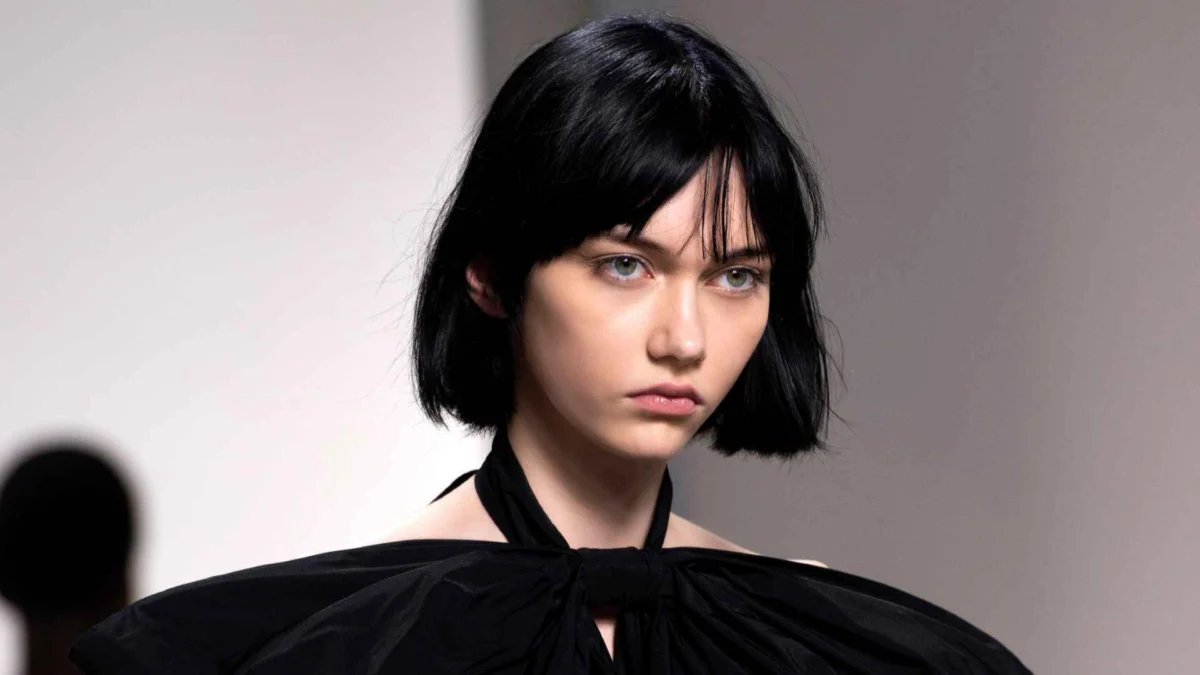
The 83rd edition of Mercedes-Benz Fashion Week Madrid (MBFW Madrid) has concluded, leaving a definitive blueprint for the beauty and aesthetic standards of the Spring-Summer 2026 season. Among the various stylistic shifts observed on the runways of IFEMA and throughout the Spanish capital, the resurgence of the fringe—commonly referred to as bangs—has emerged as the season’s primary tool for facial framing and personality-driven hair design. Historically regarded as a strategic "wildcard" for those seeking a refreshed appearance without the commitment of a drastic length reduction or a permanent color change, the fringe has been elevated this year from a simple trim to a central element of high-fashion architecture.

As the global fashion industry moves toward a more personalized approach to beauty, the trends showcased in Madrid suggest a departure from the monolithic "clean girl" aesthetic of previous years, opting instead for a diverse range of textures, lengths, and finishes. The following analysis details the seven specific fringe styles identified by industry experts and stylists during the Madrid showcases, providing a comprehensive guide for the upcoming season.
The Strategic Role of the Fringe in Modern Hairdressing
For many consumers, the decision to alter a hairstyle is often met with hesitation regarding volume, maintenance, and the permanence of the change. Professional stylists at MBFW Madrid noted that the fringe serves as an ideal solution for individuals who wish to retain their current hair length and layering but require a noticeable aesthetic update. Unlike layered cuts, which alter the overall silhouette of the hair, or chemical colorings, which require long-term maintenance, the fringe allows for a targeted transformation that focuses on the eyes and cheekbones.

The 2026 trends emphasize versatility. Whether through the revival of 1970s-inspired curtain bangs or the introduction of high-shine, editorial "wet-look" finishes, the objective remains the same: to provide a customizable framework that can be adapted to various face shapes and hair densities.
A Chronological Overview of MBFW Madrid’s 83rd Edition
The 83rd edition of Mercedes-Benz Fashion Week Madrid took place against a backdrop of increasing international interest in the Spanish "slow fashion" movement. Over the course of five days, established houses and emerging designers presented their visions for Spring-Summer 2026. The hair designs were curated to complement collections that emphasized fluidity, structural minimalism, and a return to naturalism.

While the Milan and Paris fashion weeks often dictate global silhouettes, Madrid has carved out a niche for "wearable avant-garde" beauty. The hair trends observed this season are characterized by their ability to transition seamlessly from the runway to daily life, a factor that has contributed to the immediate popularity of the seven fringe styles highlighted during the event.
Detailed Analysis of the Seven Trendsetting Fringes
1. The Classic Open Fringe (Curtain Bangs)
Presented prominently during the Pringa showcase, the open fringe—often called "curtain bangs"—continues its reign as the most accessible entry point for fringe novices. This style is characterized by a central parting that allows the hair to drape toward the temples, effectively framing the forehead without covering it entirely. The Pringa runway utilized this look to enhance the movement of lightweight, spring-appropriate fabrics. From a technical perspective, this fringe is cut with a gradual increase in length toward the outer corners, allowing it to blend effortlessly into the rest of the hair.

2. The Garçon Cut Fringe
The house of Ángel Schlesser, known for its commitment to architectural lines and androgynous sophistication, championed the garçon-style fringe. This short, often textured fringe accompanies pixie or short bob cuts, offering a bold statement of confidence. The garçon fringe is designed to sit well above the eyebrows, drawing immediate attention to the brow line and the bridge of the nose. It represents a shift toward minimalism, where the hair does not compete with the face but rather accentuates its natural bone structure.
3. The Curly Mini-Fringe (Micro-Bangs)
In a move that celebrates natural hair texture, the Bonet runway featured the mini curly fringe. Historically, fringes were often reserved for straight hair or required intensive heat styling. However, the 2026 trends reject this limitation. The curly micro-fringe is cut short—often mid-forehead—allowing natural coils and waves to provide volume and character. This look aligns with a broader industry trend toward "texture positivity," encouraging individuals to embrace their natural curl patterns.

4. The Architectural Straight Fringe
Symmetry and precision were the hallmarks of the straight fringe seen in the Coosy x Miguel Palacio collaboration. This style is cut horizontally across the forehead, typically skimming the eyebrows. It requires a high level of technical precision to ensure a perfectly level edge. On the runway, this fringe provided a sense of "high-fashion armor," offering a structured contrast to the flowing, romantic silhouettes of the garments. It is particularly effective for individuals with oval or long face shapes, as it provides a visual break that balances facial proportions.
5. The Side-Swept Fringe with a Deep Side Part
The Maikarfi collection introduced a sophisticated take on Y2K-era aesthetics with the side-swept fringe. By utilizing a deep side part, stylists created a diagonal line across the forehead that adds a sense of mystery and elegance. This style is highly functional for those with cowlicks or specific hair growth patterns that make a center part difficult. It also offers an ant-aging effect, as the diagonal line can soften the appearance of the upper face.

6. The Editorial Wet-Look Fringe
Odette Álvarez utilized the "wet-look" or high-shine finish to transform standard fringes into editorial statements. By applying high-hold gels and glossing serums, the fringe is styled to appear damp and structured. This trend is particularly relevant for the Spring-Summer season, as it mimics the aesthetic of hair post-swimming or in high humidity, turning a practical reality into a deliberate style choice. It is a high-impact look that works exceptionally well for evening events and formal occasions.
7. The Curly Open Fringe
Returning to the Coosy x Miguel Palacio runway, the curly open fringe combines the versatility of curtain bangs with the volume of natural curls. This style avoids the "heavy" look that straight fringes can sometimes create on curly hair. By parting the curls in the center, the face remains open and bright, while the curls provide a soft, romantic frame. This look was praised by fashion critics for its inclusivity and its ability to maintain its shape in warmer climates.

Supporting Data and Technical Implications
Market research in the professional hair care sector indicates a 15% increase in requests for fringe-related services following major fashion weeks. According to data from European salon syndicates, the "low-commitment" nature of the fringe makes it the most requested aesthetic change for women aged 25 to 45.
Technically, the success of a fringe depends on the "face mapping" conducted by the stylist. For instance:

- Oval Faces: Can accommodate almost any fringe style, particularly the straight and micro-fringe.
- Square Faces: Benefit from the soft edges of the open or side-swept fringe to neutralize a strong jawline.
- Heart-Shaped Faces: Are best complemented by side-swept styles that draw attention away from a pointed chin.
Maintenance remains a primary consideration. While the "wet look" and "open fringe" require minimal daily intervention, the "straight fringe" and "garçon cut" necessitate professional trims every three to four weeks to maintain the intended silhouette.
Industry Reactions and Broader Impact
Industry insiders have reacted positively to the Madrid showcases, noting that the emphasis on fringes reflects a global desire for "individualized beauty." Hair stylists backstage at MBFW Madrid remarked that the focus this season was on "the personality of the strand." Instead of forcing hair into a uniform shape, the 2026 trends allow the hair’s natural density and movement to dictate the final look.

The implications of these trends extend beyond the salon. The beauty industry is expected to see a rise in the production of fringe-specific styling tools, such as mini-flat irons and specialized dry shampoos designed to prevent the fringe from becoming oily—a common challenge for those with forehead-skimming hair.
Conclusion: The Future of Seasonal Hair Trends
The 83rd edition of Mercedes-Benz Fashion Week Madrid has successfully repositioned the fringe as a modern necessity rather than a fleeting fad. By offering seven distinct variations, the event has ensured that there is a version of this trend suitable for every hair type and lifestyle. As we approach the Spring-Summer 2026 season, the message from the Madrid runways is clear: a change of look does not require a sacrifice of length or a total overhaul of one’s identity. Instead, it can be found in the subtle, expert placement of a few inches of hair, tailored to the unique contours of the individual face.

For those looking to update their aesthetic in the coming months, the Madrid "fringe portfolio" provides a factual, versatile, and highly stylish starting point. Whether opting for the bold garçon cut or the effortless open fringe, the season encourages a bold exploration of the "wildcard" that continues to define contemporary hair design.

0 Comments