
 Raisa Andriana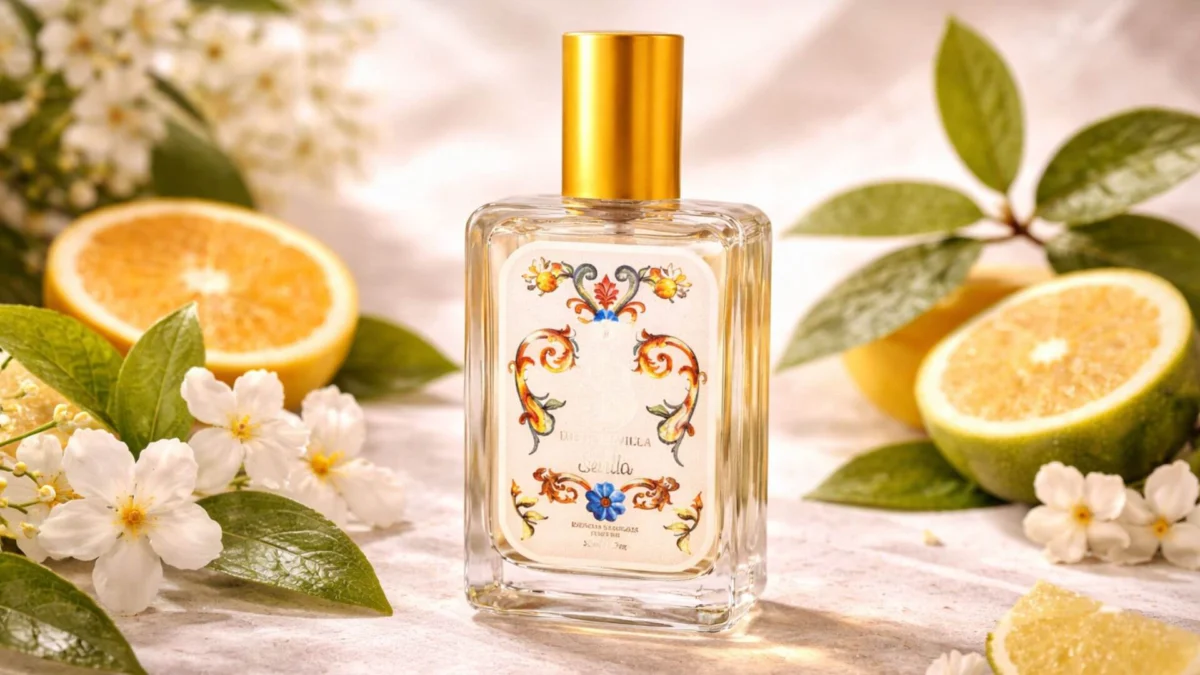
The olfactory landscape of Southern Spain has long been dominated by the scent of the bitter orange tree, a botanical fixture that defines the urban experience of Seville. Recently, the fragrance house Luz de Sevilla has introduced its signature scent, "Sevilla," a composition designed to encapsulate the specific atmospheric conditions of the city during the spring equinox. By utilizing a blend of radiant citruses and soft orange blossom—locally known as azahar—the fragrance seeks to provide a portable sensory experience that mirrors the luminous quality of the Andalusian capital under the spring sun. This launch comes at a time when "sense of place" perfumery is seeing a significant resurgence in the global market, as consumers increasingly seek scents that evoke specific geographical memories and cultural identities.

The Olfactory Architecture of Luz de Sevilla’s Signature Scent
The composition of "Sevilla" by Luz de Sevilla is structured as a classic citrus-floral, a genre deeply rooted in Mediterranean perfumery traditions. The fragrance opens with a sharp, high-volatility "salida" or top note, characterized by the inclusion of bergamot and bitter orange. According to technical specifications of the blend, the bergamot provides a dry, slightly peppery citrus peel aroma, while the orange notes lean toward a juicy, acidic pulp profile. This initial brightness is intended to represent the morning light reflecting off the city’s historic lime-washed walls.
As the top notes dissipate, the heart of the fragrance reveals the absolute of orange blossom. In perfumery, azahar is prized for its dual nature: it possesses a clean, soapy freshness while maintaining a honeyed, indolic depth. The Luz de Sevilla interpretation emphasizes the lighter, "white flower" aspect of the blossom, avoiding the heavy, syrupy qualities often found in oriental-leaning floral perfumes. The result is an airy, transparent trail—often referred to in the industry as "sillage"—that mimics the natural scent of the city’s patios and avenues. Retailing at 50 euros for a 50ml bottle, the fragrance occupies a mid-market niche, positioning itself as an accessible luxury for daily use.

Historical Context: The Moorish Legacy and the Bitter Orange
To understand the significance of a fragrance named after Seville, one must examine the botanical history of the region. The bitter orange tree (Citrus aurantium) was introduced to the Iberian Peninsula by the Moors in the 10th century. Originally planted for their medicinal properties and aesthetic beauty in the courtyards of the Alcázar, the trees eventually spread throughout the city. Today, Seville is home to more than 48,000 orange trees, the highest concentration of this species in the world.
This historical backdrop has made the scent of azahar synonymous with the Sevillian identity. For centuries, the harvest of these oranges has served both the culinary industry—specifically for British marmalade production—and the fragrance industry in Grasse, France, where the blossoms are processed into neroli oil and orange blossom absolute. The creation of a localized fragrance brand like Luz de Sevilla represents a modern effort to reclaim this raw material’s cultural narrative, moving from being a mere exporter of ingredients to a creator of finished, branded products that tell the city’s story.

Comparative Market Analysis: The Evolution of Sevillian Perfumery
Luz de Sevilla’s "Sevilla" enters a market that has been shaped for decades by "Agua de Sevilla," a fragrance that remains a benchmark for regional olfactory branding. Launched in association with the Universal Exposition of 1992 (Expo ’92), Agua de Sevilla was designed to be the "official scent" of the city during its moment on the world stage. While Agua de Sevilla utilizes a more traditional, potent floral structure with a price point of approximately 22.95 euros for 50ml, Luz de Sevilla’s "Sevilla" offers a more contemporary, minimalist interpretation.
The broader market in Spain is currently experiencing a shift toward these "clean" and "solar" profiles. Data from Stanpa (the Spanish Cosmetic, Toiletry and Perfumery Association) indicates that Spain is a global powerhouse in the fragrance sector, ranking as the second-largest exporter of perfumes worldwide, surpassing even the United States. The success of regional scents is bolstered by a domestic consumer base that traditionally favors "Colonia"—fresh, citrus-heavy waters—over heavier eau de parfums. This cultural preference ensures a steady demand for fragrances that emphasize cleanliness, luminosity, and botanical accuracy.

Industry Trends: The Rise of High-Street and Niche Innovations
The trend of capturing specific textures and moods is not limited to regional brands. Major Spanish high-street retailers have also entered the "clean scent" arena with significant success. For instance, Massimo Dutti has garnered attention for its feminine fragrances that utilize iris and sandalwood to create a "talcum powder" effect, priced under 50 euros. Similarly, Zara has seen viral success with its recent "talc" and "fresh laundry" releases, which use notes of violet and verbena to simulate the smell of clean linen drying in the sun.
These products reflect a wider consumer movement toward "functional perfumery"—scents that are intended to boost mood and provide a sense of comfort rather than merely serving as an accessory for evening wear. The "Sevilla" fragrance fits into this category by offering a "naturalistic" experience. Unlike complex, abstract perfumes, these scents are easily decoded by the wearer; the smell of orange blossom is immediately recognizable and carries with it a psychological association with spring, renewal, and outdoor spaces.

Economic and Cultural Implications of Olfactory Branding
The branding of a city through scent has profound implications for tourism and regional marketing. Olfactory memories are among the most persistent in the human brain, linked directly to the limbic system, which governs emotions and memory. By standardizing the "scent of Seville" into a commercial product, the city effectively extends its brand reach beyond its physical borders. Tourists who purchase these fragrances often do so as a "sensory souvenir," allowing them to recreate the atmosphere of their travels long after they have returned home.
Furthermore, the production of these fragrances supports a local ecosystem of designers, glassmakers, and distributors. While the essential oils may be refined in major fragrance hubs, the conceptualization and marketing are local. This strengthens the "Made in Spain" label, which has gained prestige in the global beauty market. The economic data supports this growth; the Spanish perfumery and cosmetics sector reached a record export value of over 6.5 billion euros in 2023, with a growth rate of nearly 20% in the perfume category alone.

Technical Analysis of Ingredients and Sustainability
The sustainability of the citrus industry in Seville is a critical factor for the future of these fragrances. The city council of Seville manages the annual harvest of the "naranja amarga," which typically yields around 5.7 million kilograms of fruit. While the fruit itself is often used for compost or specialized exports, the blossoms are the primary interest for perfumery.
The extraction process for the notes found in "Sevilla" involves two primary methods:

- Steam Distillation: This produces Neroli oil, which is fresh, green, and spicy.
- Solvent Extraction: This produces Orange Blossom Absolute, which is richer, warmer, and more representative of the living flower.
Luz de Sevilla’s "Sevilla" appears to balance these two extracts to achieve its "radiant" effect. However, the volatility of citrus oils presents a challenge for longevity. To combat this, modern perfumers use synthetic fixatives that do not alter the scent profile but allow the citrus notes to linger on the skin for several hours, a necessary feature for a fragrance marketed for "long spring days."
Conclusion and Future Outlook
The launch of "Sevilla" by Luz de Sevilla is more than a commercial addition to the beauty shelf; it is a manifestation of the city’s enduring botanical legacy. By focusing on the specific interplay between citrus and azahar, the fragrance captures a fleeting seasonal moment and makes it permanent. As the global fragrance market continues to move toward niche, story-driven products, the "scents of place" from Southern Spain are well-positioned to lead.

In the coming years, it is expected that more brands will follow this "micro-regional" approach, creating scents that do not just represent a country, but a specific street, a specific patio, or a specific hour of the day. For now, the "Sevilla" fragrance remains a definitive olfactory tribute to the Torre del Oro, the banks of the Guadalquivir, and the incomparable light of an Andalusian spring. With its competitive pricing and faithful representation of the city’s natural aroma, it serves as both a cultural ambassador and a testament to the sophistication of contemporary Spanish perfumery.



 Eva Lovia
 Julia Chirkova
 Julia Prastini
 Nila Kartika Wati
 Lina Irawan
 Jia Lissa