
 Nila Kartika Wati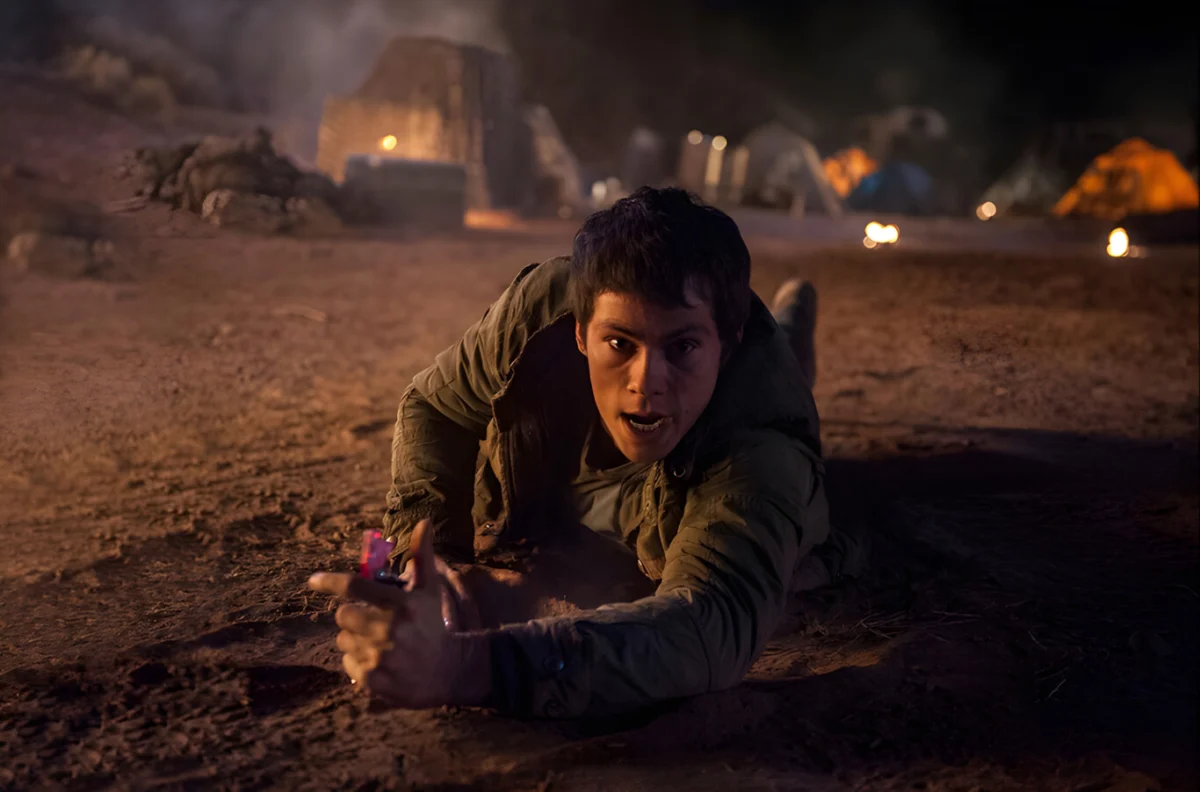
The cinematic landscape of the early 2010s was undeniably defined by the rise of the Young Adult (YA) dystopian genre, a period where studios scrambled to find the next literary sensation to mirror the astronomical success of franchises like The Hunger Games. Amidst this competitive environment, 20th Century Fox launched The Maze Runner in 2014, an adaptation of James Dashner’s 2009 novel. Directed by Wes Ball, the film arrived at a critical juncture in Hollywood history, marking both the peak of the dystopian trend and the beginning of its eventual saturation. Today, as the trilogy finds a renewed audience through global streaming platforms such as Disney+ and Netflix, the franchise’s enduring appeal serves as a case study in effective world-building, high-stakes action, and the complexities of mid-budget franchise management.
The Genesis of the Glade: Adapting James Dashner’s Vision
The Maze Runner began as a high-concept mystery centered on Thomas, a teenager who awakens in a rusted elevator—dubbed "The Box"—with no memory of his past or the world outside. He emerges into "The Glade," a sprawling grassy expanse inhabited by a community of boys who have established a rudimentary society. Surrounding the Glade is an enormous, ever-shifting stone labyrinth populated by "Grievers," lethal biomechanical entities that hunt those who remain in the maze after sundown.
The production of the first film was characterized by its lean budget and ambitious visual storytelling. Produced for a relatively modest $34 million, the film relied heavily on practical locations and the creative direction of Wes Ball, who transitioned from a background in visual effects to feature directing. Ball’s vision focused on a grounded, tactile aesthetic that contrasted with the often-glossy futurism of other YA adaptations. By emphasizing the physical grit of the Glade and the claustrophobic terror of the Maze, the film established a unique identity that resonated with audiences seeking a more visceral experience.
A Chronology of the Maze: From the Glade to the Last City
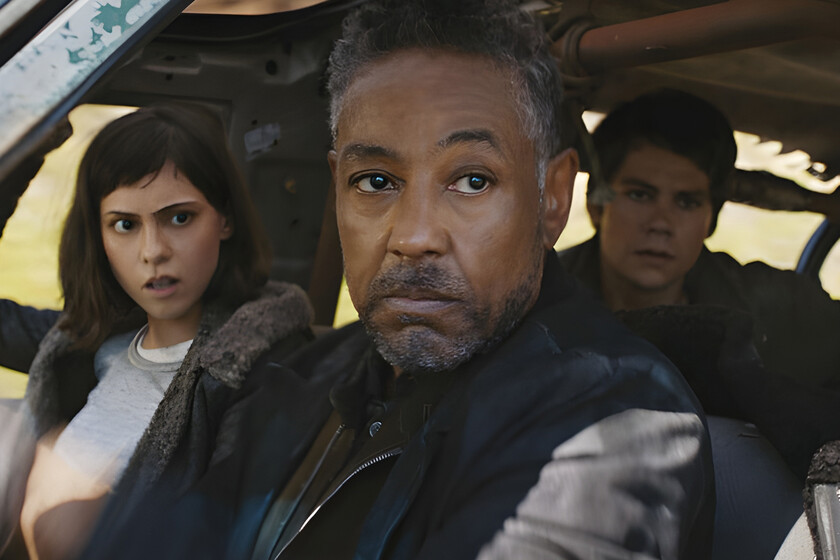
The narrative arc of the trilogy is divided into three distinct phases, each expanding the scope of the world and the stakes for its protagonists.
The Maze Runner (2014) served as the introductory chapter, focusing on the internal politics of the Glade and the mystery of why the boys were being held captive. The arrival of Teresa, the first girl to enter the Glade, acts as the catalyst for the final push to solve the maze. The film concludes with the revelation that the Gladers were part of an experiment conducted by WICKED (World In Catastrophe: Killzone Experiment Department), an organization seeking a cure for "The Flare," a virus that has decimated the global population.
The Scorch Trials (2015) moved the action from the controlled environment of the Maze to the "Scorch," a desolate, sun-scorched wasteland filled with "Cranks"—humans driven to cannibalistic madness by the Flare virus. This installment pivoted the franchise toward a survival-horror aesthetic, introducing the resistance group known as the Right Arm and deepening the moral ambiguity of WICKED’s mission. While the first film was a mystery, the second was a relentless chase, expanding the lore and the scale of the conflict.
The Death Cure (2018) provided the final resolution. The narrative shifted to a rescue mission as Thomas and his allies infiltrated the "Last City," WICKED’s final stronghold, to save their friend Minho and find a permanent solution to the virus. The finale explored themes of sacrifice and the ethics of utilitarianism, questioning whether the lives of a few "immunes" were worth the potential salvation of the remaining human race.

Production Turmoil: The 2016 Accident and its Consequences
The production of the final chapter, The Death Cure, is inextricably linked to a significant real-world event that nearly ended the franchise prematurely. In March 2016, during filming in British Columbia, lead actor Dylan O’Brien was involved in a severe on-set accident. While performing a stunt involving two moving vehicles, O’Brien was pulled from one vehicle and struck by another, resulting in multiple facial fractures, a concussion, and brain trauma.
The incident prompted an immediate halt to production. WorkSafeBC, the provincial statutory agency for occupational health and safety, launched an investigation into the accident, citing a lack of proper safety measures for the specific stunt. The hiatus lasted nearly a year as O’Brien underwent extensive recovery and reconstructive surgery.
The delay had a profound impact on the franchise’s momentum. Originally scheduled for a February 2017 release, the film was pushed back to January 2018. During this gap, the public’s appetite for YA dystopian stories had significantly waned, with competitors like the Divergent series failing to even complete their theatrical runs. However, the commitment of the cast and the studio to see the story through to its conclusion allowed The Maze Runner to avoid the "unfinished" fate of many of its contemporaries.
Commercial Performance and the Decline of the Dystopian Era
From a financial perspective, The Maze Runner trilogy was a resounding success for 20th Century Fox, particularly when measured by return on investment. According to data from Box Office Mojo, the first film grossed approximately $348.3 million worldwide. Given its $34 million production budget, it was hailed by industry trade publications such as Variety and The Hollywood Reporter as a massive victory, solidifying Dylan O’Brien’s status as a bankable lead.
The Scorch Trials followed with a global take of $312.3 million on a $61 million budget. While slightly lower than its predecessor, it maintained a strong international following. The Death Cure, despite the long delay and the cooling market for the genre, managed to earn $288.2 million on a $62 million budget.
Analysts noted that while the domestic (U.S.) interest in the franchise declined with each installment, international markets remained loyal. The trilogy’s ability to remain profitable throughout its run was attributed to its consistent visual quality and the chemistry of its ensemble cast. Unlike other franchises that saw their budgets balloon to unsustainable levels, the Maze Runner films remained relatively disciplined in their spending, ensuring their viability even as the genre’s popularity peaked and subsided.
Critical Reception and Artistic Merit
The critical consensus for the trilogy has generally favored the first installment, which holds a "Fresh" rating on Rotten Tomatoes. Critics praised the film’s tension and the sense of mystery, often comparing it favorably to Lord of the Flies. The subsequent films received more mixed reviews, with some critics feeling that the transition from a contained mystery to a sprawling post-apocalyptic action saga diluted the unique premise of the original.
However, many scholars of the genre have pointed out that Wes Ball’s direction remained a highlight throughout. His background in digital art allowed the films to punch above their weight class in terms of visual effects and world-building. The "Crank" designs in The Scorch Trials and the brutalist architecture of the "Last City" in The Death Cure were cited as examples of high-tier production design that helped the series stand out in a crowded market.

Life After the Maze: The Career Trajectories of the Ensemble
One of the most enduring legacies of The Maze Runner is the launch of several high-profile careers. The franchise’s casting has been retrospectively praised for identifying young talent that would go on to dominate the industry.
Dylan O’Brien (Thomas) successfully transitioned into various roles, including the lead in American Assassin and the critically acclaimed Love and Monsters. Kaya Scodelario (Teresa) became a mainstay in major productions like Pirates of the Caribbean: Dead Men Tell No Tales and the Netflix series The Gentlemen. Will Poulter (Gally), who played the antagonist in the first film, has seen his career skyrocket with roles in The Revenant, Detroit, and most recently as Adam Warlock in the Marvel Cinematic Universe’s Guardians of the Galaxy Vol. 3. Thomas Brodie-Sangster (Newt) continued his success with a prominent role in the global hit The Queen’s Gambit.
The "Maze Runner generation" of actors is often cited as one of the most talented ensembles of the YA era, contributing to the films’ continued popularity as fans revisit the early work of these now-established stars.
Modern Accessibility: Where to Stream the Trilogy Today
In the current era of "streaming wars," The Maze Runner has found a second life. The acquisition of 20th Century Fox by Disney in 2019 brought the franchise under the Disney umbrella, making it a staple of the Disney+ library in many international territories. Additionally, licensing agreements have allowed the films to appear on platforms like Netflix and Prime Video, depending on regional rights.
For viewers in Latin America and Mexico, the trilogy has recently gained traction on Mercado Play, a free-to-watch streaming service offered by Mercado Libre, as well as being available to subscribers of Disney+ and Netflix. This multi-platform availability has triggered a resurgence in viewership, as a new generation of teenagers discovers the mystery of the Glade for the first time, and original fans return for a nostalgic marathon.
Broader Impact and the Future of the Franchise
The Maze Runner stands as one of the few YA dystopian franchises to successfully complete its intended narrative arc during the 2010s. While it may not have reached the cultural zeitgeist levels of The Hunger Games, its consistency and the dedication of its fanbase have ensured its place in cinematic history.
Looking forward, there are indications that the world of the Maze may not be permanently closed. In early 2024, reports surfaced that Disney is in the early stages of developing a new installment or reboot of the franchise. While details remain scarce, industry insiders suggest that the project would not be a direct remake but rather a new story set within the same universe, potentially exploring the origins of WICKED or the aftermath of the Flare cure.
As the trilogy celebrates a decade since its initial release, its legacy is defined by its resilience. Despite catastrophic on-set injuries, shifting market trends, and the eventual decline of its genre, The Maze Runner remains a definitive example of mid-2010s blockbuster filmmaking—a thrilling, grounded, and emotionally resonant journey through a world where the only way out is to keep running.

 Eva Lovia
 Julia Chirkova
 Julia Prastini
 Jia Lissa
 admin
admin