
 Raisa Andriana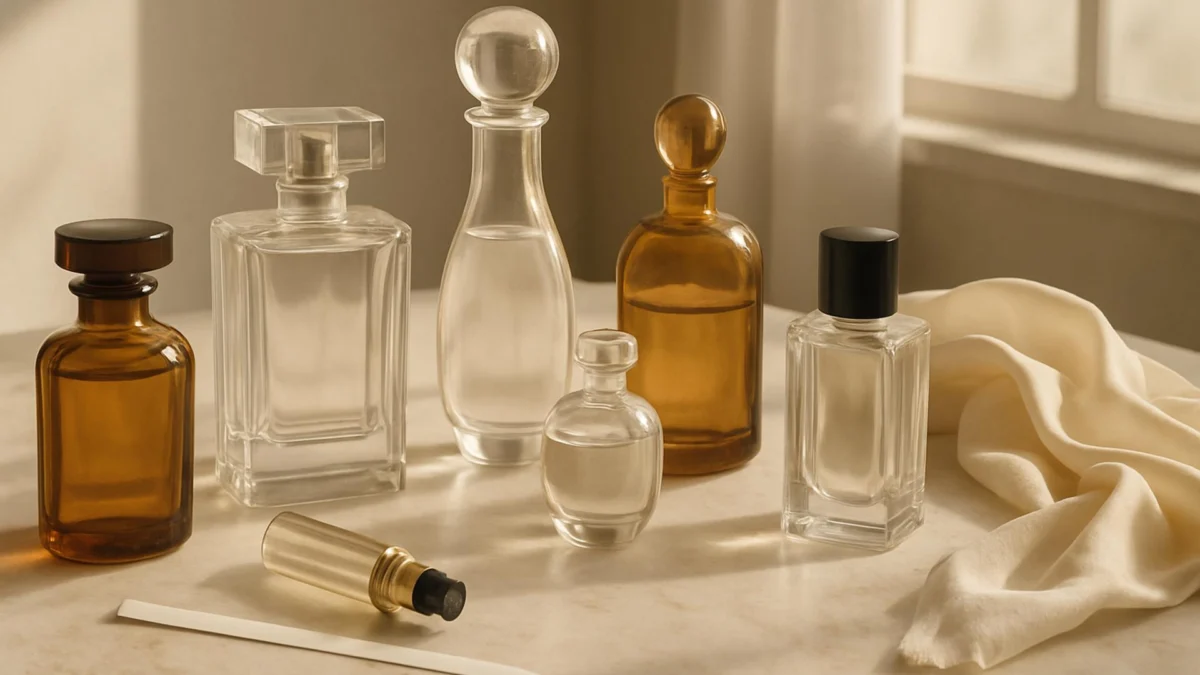
The history of perfumery is not merely a chronicle of pleasant aromas but a sophisticated narrative of cultural shifts, chemical innovation, and the persistent human desire to define identity through the invisible medium of scent. In the contemporary beauty landscape, a fragrance is often described as the "invisible accessory"—a final, intangible layer of an ensemble that possesses the unique power to linger in the memory long after a person has left the room. This evocative nature of scent has transformed the fragrance industry into a multi-billion-dollar global enterprise, where the distinction between a fleeting trend and an enduring icon is defined by a perfume’s ability to dialogue with its era while maintaining a timeless appeal.
Recent editorial explorations into the world of high perfumery highlight a growing consumer interest in the technical and historical foundations of scent. As enthusiasts move beyond simple brand loyalty, there is an increasing demand for "olfactory literacy"—an understanding of how raw materials, historical contexts, and skin chemistry converge to create a masterpiece. From the revolutionary use of aldehydes in the early 20th century to the minimalist, gender-neutral compositions of the 1990s, the journey of iconic perfumes reflects the broader evolution of society itself.

The Pillars of Olfactory History: A Chronology of Innovation
To understand the current state of the fragrance industry, one must examine the pivotal moments that redefined the art of the bottle. The transition from simple floral waters to complex, multi-layered compositions began in earnest during the early 20th century, marking the birth of modern perfumery.
1921: The Aldehydic Revolution of Chanel No. 5
Before 1921, most women’s fragrances were literal interpretations of single flowers, such as rose or lily of the valley. Gabrielle "Coco" Chanel sought a scent that was "composed"—one that smelled like a woman rather than a garden. Created by Ernest Beaux, Chanel No. 5 was groundbreaking for its heavy use of aldehydes, synthetic components that gave the floral notes of jasmine and May rose an effervescent, almost metallic brilliance. This marked the first time a major fashion house successfully married the world of haute couture with high-concept liquid chemistry, setting the stage for the designer fragrance market that dominates the industry today.
1925: Shalimar and the Birth of the Oriental Accord
Just four years after Chanel’s triumph, Jacques Guerlain introduced Shalimar at the International Exposition of Decorative Arts in Paris. Inspired by the love story of Emperor Shah Jahan and Mumtaz Mahal, Shalimar became the definitive "oriental" (now frequently referred to as "ambery") fragrance. Its heavy use of ethyl vanillin, combined with bergamot and resins, created a sensual, smoky profile that captured the Roaring Twenties’ obsession with exoticism and opulence. Shalimar remains a benchmark for depth and sillage, demonstrating how a fragrance can encapsulate a specific cultural fascination with distant lands.

1947: Miss Dior and the Post-War "New Look"
Following the austerity of World War II, Christian Dior launched his "New Look" in 1947, characterized by voluminous skirts and an unapologetic return to femininity. To accompany this silhouette, he commissioned Miss Dior. This green chypre fragrance, with its sharp notes of galbanum and sage transitioning into a floral heart, was intended to smell like "love." It represented a rebirth of elegance and the re-establishment of Paris as the global epicenter of luxury.
1994: CK One and the Rise of Minimalism
The late 20th century saw a drastic shift away from the "power perfumes" of the 1980s. In 1994, Calvin Klein released CK One, a fragrance that would define a generation. Created by Alberto Morillas and Harry Fremont, it was one of the first widely marketed unisex or gender-neutral scents. Its clean, citrusy, and metallic composition reflected the grunge and minimalist movements of the 1990s, proving that a fragrance could be iconic not through opulence, but through accessibility and a rejection of traditional gender norms.
The Science of Scent: Why Perfume is Subjective
A common misconception in the beauty industry is that a perfume will smell identical on every individual. In reality, the interaction between a fragrance and the wearer is a complex chemical reaction. Several physiological and environmental factors influence the development of a scent’s "pyramid"—the top, heart, and base notes.

- Skin pH and Lipid Levels: The acidity of an individual’s skin can alter the volatility of certain ingredients. Oily skin tends to hold onto scent molecules longer, particularly the heavier base notes like musk or sandalwood, whereas dry skin may cause the lighter top notes to evaporate more rapidly.
- Hydration and Diet: Internal hydration levels affect skin temperature, which in turn influences the rate at which a perfume radiates from the body. Furthermore, certain diets can influence the natural odor of the skin, subtly shifting the profile of a delicate fragrance.
- Climate and Humidity: In humid environments, scent molecules hang in the air longer and are intensified by the moisture. In cold, dry climates, fragrances often "shrink," requiring more frequent application or heavier concentrations, such as Eau de Parfum or Extrait de Parfum, to remain noticeable.
Market Analysis: The Shift Toward the "Olfactory Wardrobe"
The traditional concept of a "signature scent"—one perfume worn for a lifetime—is increasingly being replaced by the "olfactory wardrobe." Modern consumers are treating fragrances as emotional tools, selecting different scents based on the season, the time of day, or the specific social context.
According to industry data, the global fragrance market was valued at approximately $50.4 billion in 2022 and is projected to reach over $70 billion by 2030. This growth is driven largely by the "premiumization" of the market. Niche perfumery, which focuses on artisanal ingredients and storytelling rather than mass-market appeal, has seen a surge in interest. Consumers are no longer satisfied with just "smelling good"; they want to know the provenance of the Vetiver in their bottle or the specific inspiration behind a perfumer’s choice of pink pepper over black pepper.
This shift toward connoisseurship has led to a rise in interactive educational content. Media outlets and luxury brands are increasingly utilizing quizzes and digital workshops to engage consumers. These tools serve a dual purpose: they provide entertainment while simultaneously training the consumer to recognize specific olfactory families—such as floral, woody, fougère, or gourmand—thereby fostering a more sophisticated purchasing behavior.

The Broader Impact of Beauty Literacy
The trend toward deep-diving into perfume history is part of a larger movement toward "beauty literacy." This is evident in the parallel rise of interest in other specialized sectors of the industry, such as Korean skincare (K-Beauty) and the science of active ingredients like retinol.
In the realm of K-Beauty, consumers have moved beyond basic cleansing to understand the importance of skin barrier health and the layering of textures, such as essences and ampoules. Similarly, the widespread education regarding retinol—a derivative of Vitamin A—has transformed it from a niche dermatological prescription to a staple of the "intelligent" skincare routine. In both cases, as with perfumery, the modern consumer is characterized by a desire for transparency and efficacy. They are "skintellectuals" and "scent-enthusiasts" who value the history and science behind the products they apply to their bodies.
Future Implications: Sustainability and Synthetic Innovation
As we look toward the future of the fragrance industry, two major factors are set to redefine what makes a perfume "iconic": sustainability and biotechnology. The sourcing of natural raw materials, such as sandalwood from India or vanilla from Madagascar, is under increasing scrutiny due to environmental and ethical concerns.

In response, the industry is turning to "white biotechnology"—using fermented yeast or bacteria to create sustainable synthetic alternatives to rare or endangered natural ingredients. These innovations allow perfumers to create "clean" and ethical scents that were previously impossible to produce without depleting natural resources. Furthermore, the rise of artificial intelligence in scent composition is beginning to assist master perfumers in discovering entirely new molecular combinations, potentially leading to the next Chanel No. 5 or CK One.
Conclusion: The Enduring Power of the Accord
The study of iconic perfumes is far more than a trivial pursuit; it is an exploration of how we perceive ourselves and the world around us. Whether it is the bold defiance of a 1920s flapper wearing Shalimar or the clean, democratic spirit of a 1990s youth wearing CK One, these fragrances serve as liquid time capsules.
As consumers continue to test their knowledge and refine their palates through educational engagement and sensory exploration, the fragrance industry must continue to balance its rich heritage with the demands of a modern, informed public. The true test of a perfume’s iconicity remains its ability to transcend its era, proving that while a scent may be invisible, its impact on culture and memory is indelible. Through the lens of history, science, and market trends, we see that the art of perfumery continues to be a vital, breathing expression of the human experience.

 Eva Lovia
 Julia Chirkova
 Julia Prastini
 Nila Kartika Wati
 Lina Irawan
 Jia Lissa