
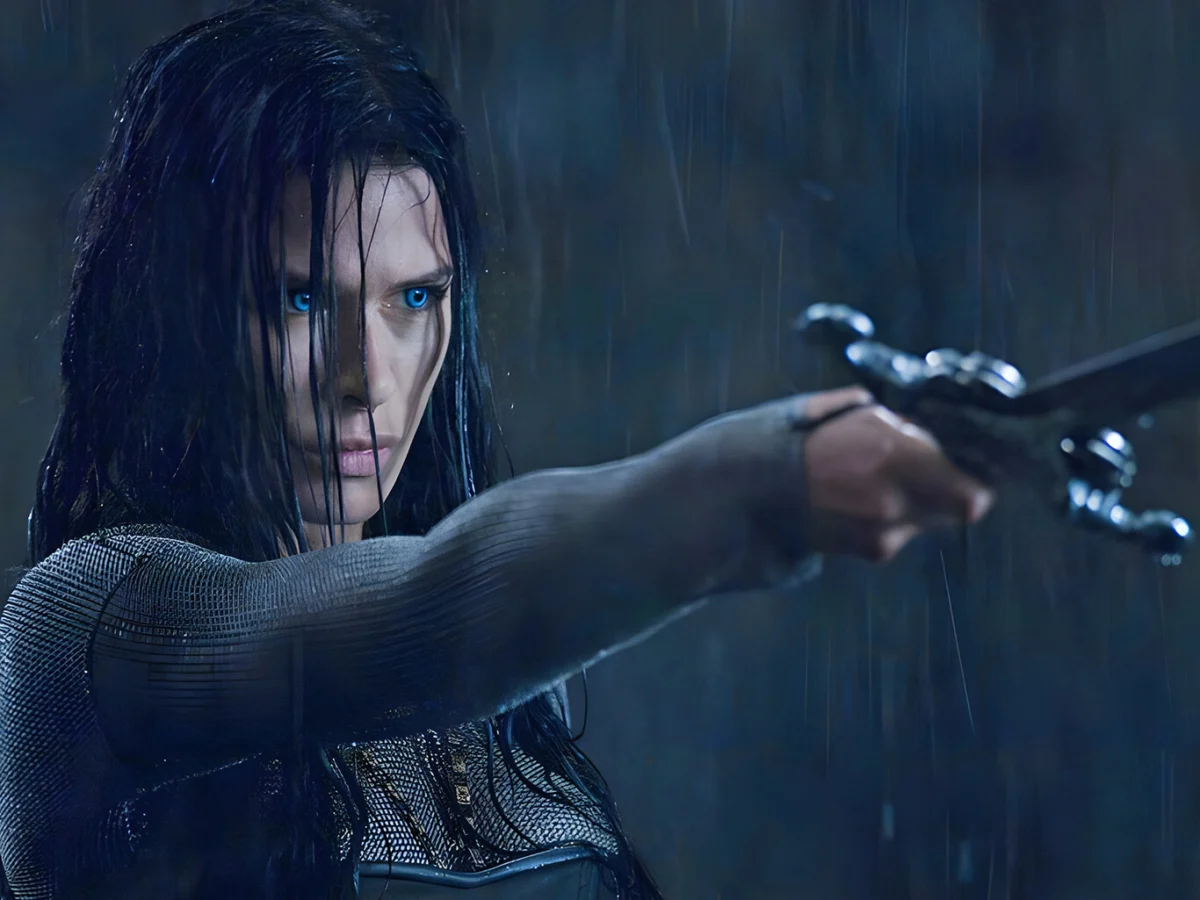
The cinematic landscape of the early 2000s was defined by a specific visual language: high-contrast blue filters, heavy use of industrial metal soundtracks, and an abundance of black leather. Before the Marvel Cinematic Universe established a colorful, quippy hegemony over the box office, genre filmmaking leaned into the "neo-gothic" aesthetic popularized by The Matrix (1999) and Blade (1998). Standing at the epicenter of this stylistic movement was Underworld, a franchise that reimagined the centuries-old conflict between vampires and werewolves through the lens of a high-tech paramilitary war. Despite a decade of relative silence from the franchise, it remains a cornerstone of millennial nostalgia and a fascinating case study in how mid-budget genre films survived—and eventually stalled—in an evolving Hollywood ecosystem.
The Genesis of a Modern Myth: Origins and 2003 Debut
The Underworld saga began as a collaborative vision between director Len Wiseman and writers Kevin Grevioux and Danny McBride. Released in September 2003, the first film introduced audiences to Selene (portrayed by Kate Beckinsale), a "Death Dealer" specialized in hunting Lycans—a sophisticated breed of werewolves. The film’s narrative hook was its departure from traditional supernatural horror; instead of garlic and silver crosses, the combatants utilized "UV bullets" and silver-nitrate rounds.

At the time of its release, the film faced significant hurdles. Production house Screen Gems, a subsidiary of Sony Pictures, was working with a relatively modest budget of approximately $22 million. Furthermore, the production was embroiled in a legal controversy prior to release. White Wolf, Inc. and Sony Pictures reached a confidential settlement after the gaming company filed a lawsuit alleging that the film’s plot and setting infringed upon the copyrights of their World of Darkness role-playing games, specifically Vampire: The Masquerade and Werewolf: The Apocalypse.
Despite mixed critical reviews, which often compared the film unfavorably to The Matrix, Underworld was a commercial success, grossing $95.7 million worldwide. It proved there was a dedicated audience for adult-oriented, R-rated dark fantasy that eschewed the romantic tropes later popularized by the Twilight saga.
A Chronology of Blood and Steel: The Five-Film Arc
The franchise’s longevity is attributed to its dense internal mythology, which spans nearly a thousand years of fictional history. To understand the current "limbo" status of the series, one must examine the progression of its narrative and commercial performance across five installments.

Underworld (2003)
The foundational film established the forbidden romance between Selene and Michael Corvin (Scott Speedman), a human carrying a unique genetic strain capable of bridging the two species. It introduced the concept of the "Corvinus Strain," the source of both supernatural lineages, and featured powerhouse performances from veteran actors Bill Nighy and Michael Sheen.
Underworld: Evolution (2006)
Following the success of the original, the budget was increased to $50 million. Evolution delved deeper into the origins of the first vampire, Marcus, and the first werewolf, William. The film leaned harder into practical effects and gore, grossing $111.3 million. It solidified Selene as one of the premier female action icons of the decade.
Underworld: Rise of the Lycans (2009)
A prequel that functioned as a Shakespearean tragedy, this entry focused on the origin of the war. Kate Beckinsale was notably absent from the lead role, with the narrative centering on Michael Sheen’s Lucian. While it grossed a respectable $91 million, the absence of the franchise’s primary star marked the first sign of a potential identity crisis for the series.
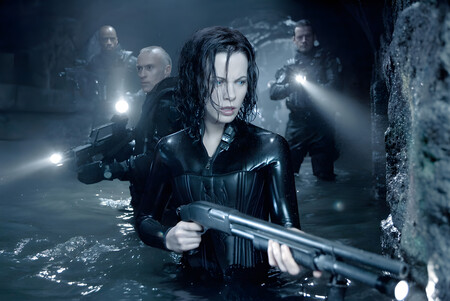
Underworld: Awakening (2012)
Returning to the present day (and returning Beckinsale to the lead), Awakening moved the series into a dystopian future where humans had discovered the existence of both species and begun a "Purge." This entry was the most commercially successful, earning $160 million globally, largely bolstered by the 3D cinema craze of the early 2010s.
Underworld: Blood Wars (2016)
The most recent entry saw a significant decline in both critical reception and box office revenue. With a budget of $35 million, it grossed only $81 million worldwide. Critics argued that the franchise had become repetitive, and the visual style that once felt revolutionary now seemed dated in an era of prestige television and high-concept sci-fi.
The Factors Behind the Decade-Long Hiatus
The primary reason for the franchise’s current dormancy is a combination of diminishing financial returns and the departure of its central star. Kate Beckinsale, who portrayed Selene across four of the five films, has publicly expressed a lack of interest in returning to the role. In a 2018 interview with Variety, Beckinsale stated, "I wouldn’t return. I’ve done plenty of those." This sentiment was echoed in subsequent interviews where she noted that her tenure in the latex suit had reached a natural conclusion.

Beyond the star’s departure, industry analysts point to the "Genre Shift" of the mid-2010s. The rise of the MCU and the expansion of the John Wick franchise redefined what audiences expected from action cinema. The "Gothic Action" niche was increasingly relegated to streaming platforms or television, where long-form storytelling allowed for the world-building Underworld was known for, but without the high marketing costs of a theatrical release.
Data Analysis: Commercial Viability vs. Critical Reception
A statistical look at the Underworld franchise reveals a stark divide between audience loyalty and critical appraisal. On review aggregator Rotten Tomatoes, the franchise has never achieved a "Fresh" rating for any of its installments:
- Underworld: 31%
- Evolution: 17%
- Rise of the Lycans: 39%
- Awakening: 25%
- Blood Wars: 21%
However, the "Audience Scores" consistently track significantly higher, often hovering between 50% and 70%. This disparity highlights the "cult" nature of the series. While critics dismissed the films as style over substance, the fanbase appreciated the consistent internal logic, the commitment to practical creature effects, and the lack of romanticized "sparkling" vampires. Financially, the franchise has generated over $539 million in global box office revenue against a combined production budget of approximately $207 million, making it a highly profitable venture for Sony and Screen Gems.
The Streaming Paradox: Accessibility in the Mexican Market
For fans in Mexico and Latin America, revisiting the Underworld saga has become an exercise in navigating the "fragmented" era of digital distribution. Unlike franchises owned by Disney or Warner Bros., which are centralized on Disney+ or Max respectively, the rights to Underworld are managed by Sony Pictures. Because Sony does not operate its own global general-interest streaming service, it licenses its library to the highest bidder on a rotating basis.
Currently, in Mexico, the saga is scattered across multiple platforms. While Underworld: Blood Wars and Awakening have frequently appeared on Netflix, the earlier, more foundational entries are often found on Amazon Prime Video or available only for digital rent/purchase via platforms like Claro Video or the Apple TV app. This lack of a "single home" for the franchise contributes to its status as a "forgotten" gem, as new audiences are less likely to discover the full narrative arc by accident.
Broader Impact and Industry Implications
The legacy of Underworld extends beyond its own sequels. It paved the way for other female-led action horror franchises, most notably the Resident Evil film series, which followed a similar trajectory of critical panning but immense commercial success. It also served as a training ground for talent; Len Wiseman parlayed his success with the franchise into directing Live Free or Die Hard, and actors like Theo James (Divergent) and Bill Nighy saw their profiles elevated through their roles in the series.

In the current climate of "reboots" and "legacy sequels," the future of Underworld remains a topic of speculation. While Sony has occasionally mentioned the possibility of a television series or a total reboot of the film franchise, no official production timelines have been established since 2016. The challenge for any future iteration will be to modernize the aesthetic without losing the "dark, wet, and gritty" atmosphere that defined its identity.
As the franchise approaches the tenth anniversary of its last release, it stands as a monument to a specific era of filmmaking—one that prioritized atmosphere and specialized world-building over the interconnected "universe" model. For the millennials who grew up with Selene’s war, the films remain a high-octane comfort watch, serving as a reminder of a time when vampires didn’t go to high school—they went to war.

0 Comments